

Örümcek Bilimci 🕷️ | Biyo-Kaşif Karanlığın saklı türleri ve biyoçeşitliliğin izinde. 🔬 Spiders | Caves | Taxonomy #Arachnology #Biology #Science
Eskişehir, Turkey
Joined November 2008
- Tweets8.9K
- Following611
- Followers7.1K
- Likes39.8K




Pinned Tweet
Ege’nin biyolojik derinliklerine yolculuk! 🕷️
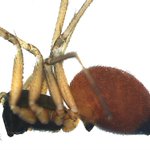
Dünya örümcek faunasına ülkemizden 3 yeni 𝘿𝙖𝙨𝙪𝙢𝙞𝙖 türü kazandırdık: 𝘿. 𝙚𝙛𝙚, 𝘿. 𝙨𝙖𝙧𝙪𝙝𝙖𝙣 ve 𝘿. 𝙩𝙪𝙧𝙘𝙞𝙘𝙖.
@Zootaxa'da yayımlanan bu çalışmayla biyoçeşitliliğin gizli kalmış karakterlerini gün ışığına çıkarmaya devam ediyoruz.
𝘿. 𝙚𝙛𝙚: İzmir ve Manisa illerimizde dağılım gösteren bu türü Ege'nin yürekli efelerine ithaf ettik.
𝘿. 𝙨𝙖𝙧𝙪𝙝𝙖𝙣: Manisa'da dağılım gösteren bu endemik türümüzü Manisa'yı Türk yurdu yapan Saruhan Bey'in aziz hatırasına ithaf ettik.

New contributions to the Aegean Dasumia Thorell, 1875 (#Araneae, #Dysderidae, #Harpacteinae) from Türkiye
#taxonomy
doi.org/10.11646/zootaxa.580…

İlginç bir haber...
Uzun yıllar evvel Alanya'da sıçanların avokado meyvelerine nasıl zarar verdiklerine şahit olmuştum.
İnanılmaz yetenekli fırsatçı canlılar. Özellikle habere konu olan 𝙍𝙖𝙩𝙩𝙪𝙨 𝙣𝙤𝙧𝙫𝙚𝙜𝙞𝙘𝙪𝙨 türü🐀

Talk about an in-flight meal.
For the first time, researchers have captured rats hunting bats by grabbing them from the sky. Learn more: scim.ag/47WVwUd #ScienceMagArchives

Ne güzel bir haber... 🦋

ÜLKEMİZ İÇİN YENİ TÜR.
Asya Kırlangıçkuyruğu » Papilio xuthus » Asian swallowtail
trakel.org/kelebekler/?fsx=2…
@OrgTrakel


1000 spider silkomes: Linking sequences to silk physical properties | Science Advances science.org/doi/10.1126/scia…

Merhaba Dünya...

#むしぎらいにこそ見てほしい
硬い繭に穴を開けて羽脱しようとするも穴がまだ小さくて、くまのプーさん状態になる青蜂。
虫も肩で息することがあるのだ。
(5時間かけて無事に出られました。)
#寄生蜂
#イラガセイボウ


Staphylinidae familyası üyesi kınkanatlı böcekler İngilizce Rove Beetle ismi ile anılırlar. İsmin kökenine dair çeşitli iddialar mevcuttur: Kimilerine göre rove (gezinmek) fiilinden türemiştir ve böceğin gezinme eğilimlerine atıfta bulunur. Kimileri ise ismin doğrudan Dancadaki (rov=yırtıcı) kökünden geldiğini öne sürmektedirler.
Familya üyeleri Türkçemizde ise Cepkenli Böcekler ismi ile anılırlar. Fotoğrafa bakınca ismin ne kadar yerinde konulduğu hemen anlaşılıyor...


Kadir Boğaç Kunt retweeted

Biyologlar 100 yıldır meslek tanımı sorunu yaşıyor Ahmet Bey. Mesleği yok etme derecesine getirdikleri için mücadele edecek motivasyon bile kalmadı kimsede.

Yunuslar... Mavi gezegenin olağanüstü canlıları 🐬
2021. ağustos ayında doğa bilimciler Bolivya nehir yunuslarını (𝙄𝙣𝙞𝙖 𝙗𝙤𝙡𝙞𝙫𝙞𝙚𝙣𝙨𝙞𝙨) dev bir anakondayla oynarken görüntülediler.
Toplamda yedi dakikası belgelenen bu eylemin nedenine dair birkaç teori bulunmakta. İlki oyun ve eğlence ihtiyacı. İkincisi genç yunuslara verilen avcılık eğitimi. Üçüncüsü ise cinsel dürtüler.
Anakondaların yunusların diyet listesinde bulunmadığı bilinen bir olgu. Ne yazık ki yunusların bu faaliyetinin anakonda için ölümle neticelendiği düşünülmekte.
HamiŞ. Bolivya nehir yunusları (𝙄𝙣𝙞𝙖 𝙗𝙤𝙡𝙞𝙫𝙞𝙚𝙣𝙨𝙞𝙨) sadece ilginç davranışları ile değil aynı zamanda verdikleri amansız yaşam mücadeleleri ile de gündemdeler. 2023-2024 yıllarındaki şiddetli kuraklıkta bazı Amazon göllerinde su sıcaklığı 41°C'yi buldu ve bunun neticesinde 200'den fazla yunus hayatını kaybetti. İklim krizinin yanında balıkçılık ve madencilik faaliyetleri ile sularda tespit edilen yüksek ağır metal kirliliği de yunusların geleceğini ciddi anlamda tehdit etmekte.

Bolivian river dolphins sometimes dangle anacondas in their mouths and scientists don’t know why | Tibi Puiu, ZME Science
Not all dolphins live in the oceans. Some can be found swimming in major rivers, especially in South America and Asia.
The Bolivian river dolphin (Inia boliviensis), one of the few such species, is pretty elusive (and pretty endangered). Biologists are particularly interested in them because their populations serve as indicators for the overall health of the basins where they live, but usually, they can only spot their fins or tails.
Imagine the excitement of biologists from the Noel Kempff Mercado Museum of Natural History during one seemingly uneventful day in August 2021. That day, they saw not one, but two Bolivian river dolphins with their heads above the river. But that was really nothing compared to what they noticed next.
Taking out their cameras to snap some quick pictures of this extraordinarily rare sighting, the researchers could now see that the two dolphins were holding an anaconda in their beaks, handling it like it was a plush toy.
The resulting 2022 paper in Ecology described it as the first documented interaction between Bolivian river dolphins and a Beni anaconda.
This was absolutely shocking to the members of the teams. It’s safe to say something like this had never been witnessed, or at least this is the first time it was documented.
Bolivia’s Beni anacondas are apex predators, meaning no one messes with them in their ecosystem. Apart from a single case of cannibalism, no one had ever seen Bolivian anacondas getting killed or eaten by any other wild animal.
But why were the dolphins doing this? That’s the million-dollar question that scientists can’t yet seem to answer definitively.
A study published in November 2025 used stable isotopes from just five Bolivian river dolphins in the Mamoré basin to study their diets. The sample was tiny, and the researchers only compared groups of fish rather than testing snakes as potential prey, so the study cannot rule out occasional unusual foods. But it couldn’t find anything to show that the dolphins actually eat the anacondas.
An Unusual Habit
Writing in the journal Ecology, Omar Entiauspe-Neto and colleagues believe the likeliest explanation for this bizarre event is play at the snake’s expense. For both oceanic and river dolphins, play is a critical aspect of their lives, which provides opportunities for calves to practice and perfect locomotive skills, including those involved in foraging and mating.
The snake probably had much less fun than the frolicking dolphins. The photographed handling lasted at least seven minutes. The researchers reported that the snake remained immobile and was kept underwater for long periods, making it likely that it died during the interaction, though this wasn’t confirmed.
There were also some dolphin juveniles witnessing the scene, which introduces another possibility: the snake handling was meant to be instructional. However, the juveniles could have just been curious all the same.
Another wild although not entirely implausible explanation is that the dolphins felt a bit frisky. Dolphins are some of the most sexually active and sexually aggressive animals on the face of the Earth. They will just stick it wherever it fits.
Scientists have previously observed a male bottlenose dolphin wrap a live wriggling eel around its penis. Another male was seen attempting to penetrate the blowhole of a pilot whale in an aquarium.
Since the photos of the dolphins showed they had erected penises, it’s possible the exciting experience of handling a huge snake with their beaks may have been sexually stimulating for them. The sensation of rubbing against the snake may have also been sexually enthralling for the dolphins. It may even have been possible that the male dolphins tried to penetrate the snake — that wouldn’t have been surprising.
A Habitat Under Pressure
When it comes to the Amazon, the environmental discussion is usually aimed at the rainforest, but the river itself is in trouble.
A 2023 study in the Peruvian Amazon tracked multiple dolphins via satellite tags and found their movements overlapped with heavy fishing zones, dredging sites and proposed dam sites. The study concluded that those human disturbances (fishing gear, dredging, infrastructure) were significant threats to those dolphins.
During the severe drought of 2023, lakes in the Amazon such as Lake Tefé experienced mass mortality events of river dolphins: more than 200 dolphins died in one lake amid extremely high water temperatures and low water levels. In 2024, it got even worse. A Science paper published in November 2025 found that five of ten monitored Amazon lakes exceeded 37°C during the 2023 heat wave, while one reached 41°C through an approximately two-meter-deep water column.
A field program led by Fundación Omacha and partners carried out another river-dolphin health assessment in Colombia in February 2025, building on earlier work in the Colombian Amazon near the Peru border. The program has reported high mercury concentrations in some sampled dolphins as well as bacteria resistant to some antibiotics, although the organizations stress that their long-term analyses are still continuing.
The conservation problem is particularly immediate in Bolivia. In May 2026, Bolivian river-dolphin researcher Enzo Aliaga-Rossel and cetacean specialist Randall Reeves reported that dozens of dolphins had been rescued and relocated after becoming marooned in isolated canals and tributaries in eastern Bolivia over the previous 15 years. They called those rescues “palliative,” arguing that lasting conservation will require habitat protection, climate resilience and coordinated land-use planning.
We know much more about ocean dolphins than their river-dwelling counterparts, partly because the latter are more elusive and the waters they swim in are murky. But they are every bit as fascinating and interesting. There’s much we don’t know about their intelligence, and if they play with anacondas, who knows what other fascinating things they do?
zmescience.com/ecology/anima…

Neticede kedilik var 😌
Hamiş: Sırtlanlar dış görünüş ve avlanma stratejileri bakımından köpeklere benzeseler de evrimsel olarak kedilere daha yakındırlar. Bakınız: Feliformia.


Ergin erkek bir 𝙃𝙤𝙜𝙣𝙖 𝙧𝙖𝙙𝙞𝙖𝙩𝙖.
Ülkemizin yaygın, zararsız kurt örümceklerinden (Familya: Lycosidae). Kısa videoda erkek bireyin tımarladığı, vücudunun en önünde bulunan yapılar, 𝗽𝗮𝗹𝗽 adını verdiğimiz erkek üreme organları.
Kırsalda geceleri elinizde bir fenerle yürüdüğünüzde, zeminde yanıp sönen hareketli minik yansımalar genelde bu örümceklerin gözlerinden kaynaklanıyordur. Mahir avcılar iş başındadır.

Evden çıkmaya çalışıyordu, kağıt kullanarak bardak içerisine aldım. Bahçeye bırakacağım birazdan. Bacak açıklığı 4-5cm kadar. Lokasyon iskenderun Hatay. @Linnaeus1758


Kadir Boğaç Kunt retweeted

Three species of Arctic seal have moved closer to extinction, according to a recent update of the @IUCNRedList™.
The bearded seal has moved from Least Concern to Near Threatened.
The primary threat to Arctic seals is sea ice loss driven by #GlobalWarming.
Learn more ➡️ info.iucn.org/47dEu2l

Antalya'dan dünya için iki yeni #örümcek türü keşfedildi! #Antalya, zengin biyoçeşitliliğiyle doğa bilimcileri etkilemeye devam ediyor.
Eskişehir Teknik Üniversitesi (ESTÜ) araştırmacıları tarafından yürütülen çalışmada yeni türlerden 𝘿𝙮𝙨𝙙𝙚𝙧𝙖 𝙖𝙣𝙩𝙖𝙡𝙮𝙖𝙚𝙣𝙨𝙞𝙨 Akseki'den, 𝘿𝙮𝙨𝙙𝙚𝙧𝙖 𝙠𝙪𝙣𝙩𝙞 ise Kumluca'dan keşfedildi.
Araştırmacılar, 𝘿𝙮𝙨𝙙𝙚𝙧𝙖 𝙠𝙪𝙣𝙩𝙞'nin erkeğinde keliserler üzerinde tespit ettikleri ve 𝗺𝗮𝘀𝘁𝗶𝗱𝗶𝗮 olarak adlandırılan boynuzsu çıkıntıların özelleşmiş salgı porları taşıdığını ve bunların eş bulma sürecinde erkek bireylere avantaj sağladığını öne sürüyor.
𝗠𝗮𝘀𝘁𝗶𝗱𝗶𝗮 üzerinde salgı porlarının tespiti, örümcek biyolojisi için bir ilk niteliği taşımaktadır.

