

B2B Consultancy service for all things accessibility and disability-related. Specialists in tourism, events and ticketing; creators of the @accesscard
- Tweets808
- Following783
- Followers1.3K
- Likes146

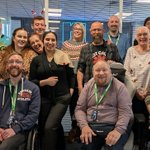


ALT The Nimbus team is standing next to a Christmas Tree. Three sit at the front in wheelchairs while many others stand behind them.

ALT Two men in an office; one is sitting in a Santa costume and the other stands beside him, smiling, both wearing lanyards. Another person works at a computer in the background.

ALT A man in a Santa suit sits on an office chair with another man sitting on his lap, both smiling. Office environment with computers in the background.

ALT Two men in an office; one is standing in a Santa costume, he has one leg and is using his crutches to support himself and the other stands behind him, smiling.

ALT A woman with a tongue piercing poses next to a man dressed as Santa Clause. He is wearing a lanyard with the words Access Card written on it.


ALT moana on a raft with a caveman holding a boulder


ALT A red box with a purple background. The writing reads: ‘Number two: Each sports club or leisure facility should have a legal duty to offer reasonable adjustments and a modified service to disabled people, and those with long-term health conditions. A reduced service offered should be reflected in price.’ At the bottom are a picture of a woman with gym equipment around her, as well as a building, with trees behind and two people in wheelchairs out the front. There is a purple box at the bottom of the picture reading ‘thedisabilitypolicycentre.org/powerofsport’

ALT A red and purple box, with the writing reading: Number three: The @DHSCgovuk, working with @DCMS, Voluntary, Community & Social Enterprises and disability experts, should create and overview of the suitability of each sport for disabled people, and how each sport can be adapted. The disability policy Centre website is at the bottom, linking to the power of sport report. To the left are picture of plans on walls - lots of graphs and coloured papers, including pictures of people playing basketball and running.

ALT A red background, with a purple box reading: ‘Number four: Regional and local authorities should work together to create databases of what accessible sports are available in each region - as participants, volunteers and spectators.’ On the left is a large page with a list on. To the right is a picture of lots of different people; all smiling or waving. To the left is a picture of a volley ball, basketball, tennis ball, American football, football and another close up of a football.

ALT A purple and red background, with ‘Our recommendations’ at the top in white writing. It reads: Number one: Leisure facilities, including gyms and sports centres, should allow carers to accompany disabled adults, use the facilities and take part in the activities for free.’ There are two pictures of people with their carers. One is a picture in a swimming pool, surrounded by other people, and another is someone in a wheelchair with equipment around them.


ALT A purple and red background, with the Soda, DPC and Nimbus logos to the right. The writing reads ‘The Power of Sport, A Lifetime of Opportunity. Our recommendations.’ There are pictures of one woman in a wheelchair holding a ball, one man running and another woman playing football.


ALT A photo of Charli and the panel - left to right, Mary, Matt, Daniel and Kush. They are looking at Charli as she speaks into the microphone. She is wearing a green jumpsuit.

ALT A photograph of myself speaking to the room. I am on stage, wearing a navy dress and cream jacket. Everyone is sat at tables having their cream tea. Alex is taking photos.

ALT A photograph of Robert Halfon speaking on stage. He is wearing a blue suit. The stage is red, with red chairs and a lectern, with a white background. You can see someone filming Rob in the background.

ALT A photograph of Sir Stephen Timms speaking on stage. He is wearing a black suit and red tie. You can see tables of people listening to him. They have afternoon tea on their table. At the top of the picture you can see chandeliers.

ALT A purple and red background, with pictures of hoses at the bottom. The title reads ‘49.1% of respondents said there were a lack of suitable options to play sport, or take part in physical activity, near where they lived’. There is a row chart, in turquoise, reading ‘Lack of accessible facilities - 37.7%. ‘Lack of suitable options where I live’ - 49.1%. ‘Lack of accessible transport’ - 22.6%. ‘Inaccessible/ableist cultures within teams’ - 22.6%. ‘Lack of support staff who can accompany me’ - 26.4%. ‘Other’ - 28.5%.


ALT Image reads: RHS Chelsea Flower Wall


