
get up and try again.
Joined October 2026
- Tweets1K
- Following23
- Followers5
- Likes2.8K





Pretti Pennie retweeted
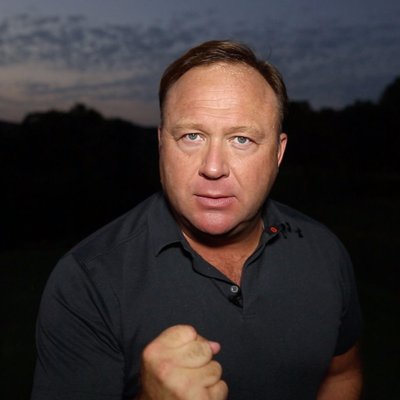
FLASHBACK: Real Rick Ross Exposes Gangster Rap
The rap industry is a CIA psychological operation. Rick Ross explains how they’re using music to pipeline youth into prison—the same way they used him to flood the US with crack cocaine.
ʙʀᴇᴀᴋɪɴɢ ɴᴇᴡs: nitter.cf/RealAlexJones/live
Pretti Pennie retweeted

🚨Being called a “COON” at work by an FBA nurse is worthy of a report right?…. Or am I being petty? That doesn’t seem DEI to me let me know in the comments if should I report or just leave it alone👇

Pretti Pennie retweeted

What’s understood never needs to be explained…. #FREETORYLANEZ
Pretti Pennie retweeted

Hey so I don’t want to read your ‘letter to Nicki Minaj as a black woman’ when she came online to tell you that a certain male rapper was physically abusing her and you laughed and called her a cr*ckhead then turned a blind eye when said rapper was protected by J Z & co. 👍🏾
I pray for all this evil shit that been going on that those who participated oh... u gone get it 100x Godspeed.
Pretti Pennie retweeted

The Shield of Megan Thee Stallion: Organized Protection and the Media's Target Audience
While public discourse often debates who is truly protected in the entertainment industry, a closer look at the narrative surrounding Megan Thee Stallion reveals that she is backed by a highly organized, institutional network of protection. By analyzing the strategic release of open letters, the powerful figures rallying to her defense, and the massive audience statistics driving these media platforms, a clear picture emerges of a machine designed to capitalize on controversy.
Institutional Support and the Power of Open Letters
Megan’s protective shield is heavily reinforced by strategic alliances with community organizations and prominent social justice figures. Following the 2020 incident with Tory Lanez, the Southern Black Girls & Women's Consortium partnered with influential leaders to publish a massive open letter demanding her protection. This was not a casual display of support; it was a highly coordinated effort featuring powerful signees such as Congresswoman Maxine Waters, #MeToo founder Tarana Burke, and prominent activist Tamika Mallory.
This exact blueprint of organized defense was deployed again following her recent breakup with NBA star Klay Thompson. A new open letter—signed by LaTosha Brown and "A Southern Black Girl"—was quickly published to uplift Megan while explicitly dismissing Thompson, telling him, "P.S. And Klay, baby ... FORGET you". The recurring emergence of these letters demonstrates a formidable apparatus ready to publicly defend Megan and target the men involved in her life.
The Statistics: Monetizing the Audience
This robust, highly visible level of protection is entirely intentional, driven by the specific demographics that media platforms rely on. Data indicates that Black women are the vanguard of digital engagement, particularly when it comes to social justice and cultural commentary. Media platforms targeting Black adults report that their audiences are often over 60% female. Furthermore, digital platforms that heavily cover these celebrity controversies, such as The Shade Room, boast a massive following of 15.8 million Black women aged 18 and older.
The media has a vested interest in activating this protective shield around Megan because the ensuing outrage, open letters, and podcast debates perfectly align with the values of their most powerful consumer base. By continuously pushing this narrative, these platforms successfully engage and monetize a highly active demographic of Black women.
Weaponizing the Narrative
When observing how swiftly the media apparatus mobilizes to defend Megan while systematically tearing down the men involved in her disputes, a darker reality comes into focus. The continuous, public vilification of these male figures serves as a strategic media tool. Ultimately, the war on Black men is weaponized, used to generate clicks, outrage, and revenue from a deeply invested audience.
With millions of Black women reliably tuning in to these platforms, one must ask: Is this a coincidence?
Disclaimer: This article is a work of social and cultural commentary. It is not intended to promote harassment or hostility toward any individuals mentioned. All analysis is focused on broader industry trends and institutional behaviors.


Pretti Pennie retweeted

TikTok is one of the most heavily censored platforms I’ve encountered. The app will tell you that your comment was successfully posted when, in reality, it never appears publicly.
This becomes especially problematic when someone is accusing you of spreading misinformation, yet your attempts to respond with facts, sources, and supporting evidence are silently blocked.
At that point, censorship isn’t just silencing an individual. It’s actively interfering with the public’s ability to access accurate information, engage in meaningful discourse, and form informed opinions.
You cannot claim to combat misinformation while simultaneously preventing people from presenting the evidence needed to correct it.
