

Global head of equity strategy for @Bloomberg Intelligence👨🏻💻 | 2020 Dow Award Winner 🏆 | Lover of hip hop and ankle picks | #Bitcoin
New York, NY
Joined March 2011
- Tweets2.3K
- Following558
- Followers3.6K
- Likes3.4K



S&P 500 returns in the 3 months pre and post midterms since 1946...
**this is price only returns**
1.8% average before vs 7.5% after


Christopher Cain retweeted

My Bloomberg Intelligence colleagues Jennie and Iza from our equity strategy team put out a note this morning on the stocks most and least correlated to AI. Here's a sample from the note with highest and least correlated quintile stocks:

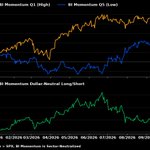
L/S momentum factor (S&P 500, sector-neutral) has retraced about half of its late summer situational awareness bloodbath.
Still up ~18% on the year tho

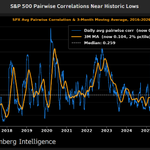
Average pairwise correlations near historic lows. Here we take the avg of trailing 30-day correlation readings using all possible combinations of stocks in the S&P 500 through time


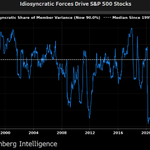
Near-record idiosyncratic variance ... stock-specific forces are dominating market forces. This is calculated by regressing every point-in-time S&P 500 member's 26-weeks of returns on the S&P 500 and taking 1 − R² as the share of that stock's variance the index doesn't explain.

Some weird stuff going on under the hood of the S&P 500 right now
None of this is necessarily bearish IMO, but worth watching:
The index looks pretty calm. Underneath, stocks are increasingly doing their own thing.
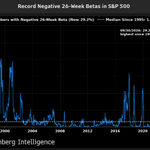
Record % of stocks with negative 26-week market betas:

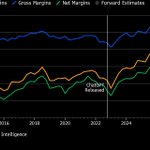
Since ChatGPTs 2022 launch, S&P 500 semiconductor margins:
- net income +22.5 percentage points
- operating +25.34pp
- gross +15.58pp

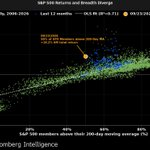
Breadth has been unusually narrow in the recent rally
Not enough to be bearish on its own IMO (we’re within 2% of ATHs after all), but something to watch
Historically, an ~18% 6-month rally would typically have ~85% of stocks above their 200-day MAs... today it’s more like 50%.


I second model Y. There’s goods and bad parts about it but the full self driving trumps all. I use it 100% of the time.
Join us! Great opportunity for the right person


The Fed bought corporate bonds though in 2020 didn’t they? Honest question did the rules need to change them to do that at the time? I feel like there’s bigger difference between buying treasury bonds and corporate bonds (which share more risk factor with stocks) versus corporate bonds and stocks.
I think they have to show that they’re willing to sell something so the credit rating agencies give them a better rating. Also, this headline is insane.
