

Professor at Iowa State University, Studying aging and autophagy, mitochondria, Peroxisome...
Ames, IA
Joined August 2011
- Tweets1.4K
- Following1K
- Followers956
- Likes5.1K






Pinned Tweet
New publication from the lab @pnas . With the collaboration of Dr. Ping Kang @pingkang0, we uncovered how developmental NF-kB signaling links developmental timing (time to maturity) to lifespan😊😊pnas.org/doi/10.1073/pnas.24…


Hua Bai retweeted

PANGEA: a comprehensive single-cell transcriptomic atlas of 160 diseases across 48 organs.
nature.com/articles/s41592-0…

Hua Bai retweeted
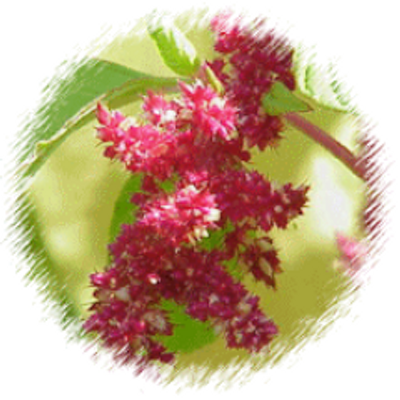
Development, stabilization and the shaping of ageing trajectories
royalsocietypublishing.org/r…

Hua Bai retweeted

We Indians played this game 2000 years ago @grok confirm this
Hua Bai retweeted

US STATES that will BOOM or DECLINE over the next 10 YEARS
🔴 AT RISK OF DECLINE
· West Virginia
· Mississippi
· Louisiana
· Illinois
· Hawaii
🟠 SLOWING DOWN, BUT STILL GROWING
· California
· New York
· Massachusetts
🟢 EXPECTED TO TAKE OFF BY 2036 ↓
Hua Bai retweeted

Delighted to co-correspond with the Tagliabracci lab to discover the missing piece of ether lipid salvage, the enzyme ACAD10! Ether lipids regulate oxidative stress response and clotting, and ACAD10 functions as a kinase and phosphatase controlling production.

Hua Bai retweeted

你借过天地能量吗?
水会吸引人的精气神。
这就是为什么人在海边、湖边、河边待久了,特别容易觉得累。不是你体力不行,而是水一直在吸走你身上的能量,让你在不自觉中释放灵气。这是一种自然的消耗,身体在替你排出那些多余的东西。
反过来,山间不一样。
山是散发精气的。走进山里,人会不自觉地安静下来,呼吸变深,脑子变清。因为你在吸收。山把精气往外送,你刚好接住。这不是什么玄学,是大自然最基本的运行方式——有吸就有放,有出就有进,万物都在交换能量。
明白这个道理,很多事情就好办了。
心情不好的时候,别闷在家里硬扛。去水边走走。
河也好,湖也好,海也好,水会帮你把那些压在心里的东西一点一点带走。你不需要做什么特别的仪式,就是沿着水走,让水去吸。走着走着会发现,那种堵得慌的感觉慢慢就松了。因为水替你卸掉了负担。这不是心理安慰,是顺着规律办事。
但如果你想安静下来认真想点事情,就别去水边了。
去山里。
山会把精气灌进来,让你的心神归位。很多想不通的事,在办公室里绕了一百圈都没结果,走到山里突然就想明白了。不是你变聪明了,是你的能量状态对了,思路自然就通了。
人活在这个世界上,最大的智慧不是跟自己较劲,而是学会借力。
累了就去水边放一放,空了就去山间充一充电。水负责清空,山负责充实,大自然早就把这套系统安排好了,就看你用不用。
很多人活得拧巴,就是因为搞反了。心里乱的时候还往人群里扎,能量本来就乱,再去嘈杂的地方只会更耗。
真正该做的,是去找水,让水帮你把那些杂念冲走。
需要定下心来的时候,别窝在屋里对着四面墙发呆,精气补不进来,越想越枯。
顺应自然规律活着,是最省力的活法。
水边排忧,山间蓄能,就这么简单。
《黄帝阴符经》讲:
“天地,万物之盗;万物,人之盗;人,万物之盗。三盗既宜,三才既安。”
指人能盗取获得天地万物的物质和能量以维持生命,如同孩子从母亲那里获得养分一般。健康并不难,学会向天地获取能量就行,修道也是如此。
第一:天补。 晒太阳,晒月光。
第二:地补。 即接地气,去土地上多走走。
第三:静补。 人能常清静,天地悉皆归。人能静下来,天地宇宙的能量都会朝你靠近。
第四:食补。 五谷为养,五畜为益,补天地精华,补充身体所需能量。
第五:睡补。 睡个好觉,养好精气神。
第六:神补。 链接高维智慧,远离低俗趣味。
第七:人补。 多交正能量朋友。
第八:动补。 运动、站桩、金刚功、八段锦等。
第九:文补。 阅读有益,静心读书,增长智慧。
当然除了这九种方法之外,最关键最秘密的,就是:
无念、无心,人能常清静天地悉皆归。
最关键的就是这个“静”,静到无念无心,清静了自然就能与“天地精神”同往来。
无念然后照见无眼耳鼻舌身意,没有自己了,人的频率就能与天地同频,自然吸收天地能量和灵气,就像我们晚上睡觉了不做梦时就能吸收天地能量,所以醒来就精神充足。


Hua Bai retweeted

a new proximity-labeling method uses a six-amino-acid tag instead of a large enzyme fusion.
flash-id combines a tetracysteine motif with a fluorescent dye to enable light-controlled protein labeling in living cells.
the authors demonstrate its utility for mapping the runx3 interactome in primary t cells.
an elegant advance in chemical proteomics.
doi.org/10.1038/s41589-026-0…


Hua Bai retweeted

血糖値330、HbA1c14。
「1ヶ月で改善しなければ入院」と言われた僕が、薬なしで寛解して半年たったのでハッキリ言います。
🙅♂️やらなくていい
・炭水化物を全部抜く
・食事抜きでドカ食い
・ジュースで水分補給
・健診の結果を放置
・夜中にカップ麺
・缶コーヒーが朝食
🙆♂️代わりにやる
👇
Hua Bai retweeted
Most aging research assumes a gradual decline. A longitudinal Stanford study tracking 108 people aged 25 to 75 found the opposite—two distinct waves of abrupt biomolecular change that hit around the mid-40s and early 60s.
The traditional damage-accumulation model treats aging as oxidative stress, DNA mutations, and cellular dysfunction slowly building up over decades. The quasi-programmed framework argues that biological pathways optimized for growth and reproduction become dysregulated after reproductive years, driving hyperactive mTOR signaling and chronic inflammation.
Both frameworks miss something critical. Aging isn't linear.
Researchers used multi-omics technologies—transcriptomics measuring gene expression, proteomics tracking protein abundance and function, and metagenomics characterizing gut microbiome composition—to monitor blood and microbiome samples at regular intervals. The goal was to identify non-linear transitions in biomolecular profiles that signal pivotal moments in the aging process.
They found two distinct waves.
The first wave arrives around the mid-40s. Lipid metabolism shifts. ApoA1, the protein that packages HDL cholesterol and removes excess lipids from arterial walls, declines. ApoB, the protein that packages LDL particles carrying cholesterol into tissues, rises. This creates an environment that promotes cardiovascular disease.
At the same time, senescent cells accumulate. These are dysfunctional cells that have exited the cell cycle but persist in tissues. They adopt a senescence-associated secretory phenotype, releasing pro-inflammatory cytokines, chemokines, and proteases. While senescence prevents damaged cells from proliferating, the chronic presence of SASP creates a self-reinforcing cycle—inflammation triggers tissue damage, which produces more senescent cells, which amplify inflammation.
This state of chronic low-grade inflammation is called inflammaging, and it becomes a hallmark feature of the mid-40s wave. It doesn't just correlate with age-related disease. It drives cardiovascular disease, type 2 diabetes, and neurodegeneration by creating systemic dysfunction that compounds over time.
The gut microbiome also shifts during this period. Beneficial bacteria decline. Harmful species increase. This dysbiosis triggers systemic inflammation and insulin resistance, further exacerbating metabolic syndrome risk. The microbiome changes aren't just correlates of inflammation—they contribute to it by disrupting gut barrier integrity and allowing bacterial endotoxins to leak into circulation.
The second wave hits around the early 60s. Immune function declines through a process called immunosenescence, where the immune system loses its ability to mount effective responses to infections while simultaneously maintaining chronic inflammation. The result is a system that's both less responsive to pathogens and more inflammatory at baseline.
Carbohydrate metabolism deteriorates. Insulin resistance becomes more pronounced due to impaired glucose uptake in muscle and adipose tissue. Blood sugar rises. Metabolic syndrome risk escalates. Cardiovascular risk compounds.
Kidney function declines measurably. Glomerular filtration rate drops. Serum creatinine levels rise. The kidneys lose their ability to efficiently filter waste and maintain fluid balance, creating additional strain on cardiovascular and metabolic systems that are already compromised.
The gut microbiome undergoes further dysregulation during the second wave. Microbial diversity declines. Beneficial bacteria like Bacteroidetes and Firmicutes decrease. Harmful bacteria like Proteobacteria increase, creating a pro-inflammatory environment. Gut barrier dysfunction worsens, allowing lipopolysaccharides to leak into the bloodstream and trigger systemic inflammation that contributes to insulin resistance and neurodegeneration.
The wave-based model aligns with the quasi-programmed aging framework, which argues that aging results from the dysregulation of biological programs originally optimized for development and reproduction. This concept overlaps with antagonistic pleiotropy—the evolutionary theory that pathways conferring early-life benefits become detrimental later.
mTOR and the GH/IGF-1 axis are examples. These pathways drive growth and development during youth. They become maladaptive with age, promoting cellular dysfunction, inflammation, and tissue degeneration. Aging isn't random damage accumulation. It's the continuation of intrinsic biological programs operating in an environment they weren't optimized for.
This creates intervention opportunities. Rapamycin, an mTOR inhibitor, mitigates overactivation of growth pathways, promotes autophagy, and reduces inflammation. It's been shown to extend healthspan and lifespan across species by resetting dysregulated developmental programs.
Strategies that dampen the GH/IGF-1 axis—metformin, canagliflozin, caloric restriction—slow growth processes that accelerate aging and reduce risk of metabolic and degenerative diseases. These interventions target aging at its developmental roots, addressing the programs that drive dysfunction rather than just treating downstream damage.
The wave-based model highlights the need for precision health strategies tailored to the biological changes occurring at specific life stages. Biomarker-driven assessments can identify critical risk factors during the mid-40s and early 60s waves, allowing for targeted interventions—rapamycin protocols, metabolic optimization, microbiome restoration—before age-related diseases become clinically apparent.
The decisions made during the fourth and fifth decades about metabolic health, inflammation management, and microbiome composition may determine whether the transitions at 45 and 60 represent mild inflection points or catastrophic shifts that compound into chronic disease during the seventh and eighth decades.
Aging isn't a gradual decline. It's a series of abrupt, systemic transitions at predictable life stages. The mid-40s and early 60s represent critical windows where biological programs shift from maintaining homeostasis to driving dysfunction. The question is whether interventions targeting these transitions during the wave periods can prevent the compounding damage that defines late-life disease.


Hua Bai retweeted

A 46.5M-cell atlas across 160 diseases and 48 organs: PANGEA, in Nature Methods, maps the multicellular responses shared across diseases — AI-ready infrastructure for precision medicine. UHN's Bo Wang (Peter Munk/Vector) is on the KAIST-led team: doi.org/10.1038/s41592-026-0…


Hua Bai retweeted

听过老中医一句特别通透的话:
世间所有看得见的东西,都是为看不见的东西服务的。
人越往后活,越能体会其中的深意。
我们的肉身、四肢、五官、五脏六腑,都是有形的、看得见的载体。而真正主宰人的一生的,是无形的东西:你的心态、你的认知、你的执念、你的情绪、你的三观和心性。
简单说:身体是打工的,心神才是真正的主人。
太多人这辈子都活反了,大家总以为养生就是养身体,只要身体没病,人就是健康的。
老中医的认知恰恰相反:肉身只是容器,心神才是根本。
你心里是什么状态,身体就是什么命运。你天天焦虑、纠结、胡思乱想、情绪内耗、耿耿于怀,你的心神就是乱的。
心神一乱,气血必堵,脏腑必累。所有的结节、淤堵、失眠、慢病,很多不是吃出来的、累出来的,是想出来、气出来、熬出来的。
反过来,如果你内心安稳、懂得释怀、遇事不钻牛角尖,心神笃定平和,气血自然通畅,身体自然轻松自愈。
不止养生如此,人生也是同一个道理。
钱、房子、车子、事业、人脉,这些看得见的物质,本来都是工具,是用来服务生活、滋养内心的。可绝大多数人活颠倒了:一辈子围着物质奔波,被面子绑架、被欲望拉扯、被别人的眼光左右。
本该为人所用的工具,最后奴役了人的一生。有形的,只是外物;无形的,才是人生方向。工具,是用来成全自己的,不是让我们耗尽一生,去伺候外物的。
当然,这不是说身体不重要。
肉身,是我们唯一的皮囊、唯一的渡船。船坏了,再好的心境、再通透的认知,都没有安放的地方。
身体和本心,从来不是对立的,而是主仆关系:身体为心服务,人不为外物所困。
很多人久治不愈的小毛病,表面是五脏失调,深层根源,全是心神耗损、执念太重、放不下太多。身体,只是最后替情绪买单的人。
所以老祖宗才说:修形容易,修心最难。身体只是一叶小舟,心,才是那个掌一辈子舵的人。
养好自己的心,稳住自己的情绪,放下无谓的执念,你就已经赢了大半人生。
Hua Bai retweeted

当年天涯有个神贴,叫《开悟其实很简单》,楼主 ID叫"心灵不孤独”,是个在生死边上走过几遭的人。
他开篇就说了一句反常识的话—— 地球上开悟的人不到百万分之一,不是因为太难,而是因为太简单。
简单到就像鱼生活在水里! 却一辈子不知道什么叫水。
这帖子当年在蓬莱鬼话和煮酒论史之间来回飘跟帖吵了几十页。
有人骂他是神棍,有人看完沉默半宿。
但十几年后再翻出来看,字字见血。
人其实有三个“我”。
第一个,身体我。
吃喝拉撒,高矮胖瘦,俗人一辈子围着它转,到死都觉得这身皮囊就是全部。
第二个,大脑我。
念头、逻辑、算计、情绪、知识、经验。
你以为的“你”,其实就是这团脑电波的噪音。越聪明的人,这座监狱修得越豪华。
第三个,心灵我。
透明的,隐形的,无色无味,没有重量,没有大小。
它不在脑子里,不在心脏里, 但它无时不在,无处不在。
开悟,本质上就是找到这第三个"我"。但这里有个死结——大脑是开悟最大的叛徒。
你想啊,你从小到大被训练成什么?分析、总结、 逻辑、努力、争取。
这些东西在物质世界和精神世界是好东西,但在心灵世界,全是绊脚石。
心灵要的是”无”,大脑一动就是”有”。
你越是努力想"我要开悟”,大脑越兴奋,海水涨得越高,那座叫心灵的岛屿就越沉得深。
大脑不死,心灵不现。这不是比喻,是铁律。 所以那些天天打坐、念经、啃公案、研究佛法的人,很多人越修越远。
不是经不对,是你用大脑去读心灵层面的东西,就像用温度计去量体重—— 工具错了。
那人在什么状态下会开悟?
答案是:在你大脑彻底死机的那一瞬间。 帖子里,楼主讲了他自己的经历。
他苦读了三年 禅宗公案,越看越糊涂。
直到有一天,他遇到一位其貌不扬的女老师,看她正在看《金刚经》, 就上前请教:“过去心不可得,现在心不可得,未 来心不可得,这话到底什么意思?”
那女老师头也不抬,突然猛拍桌子,大吼一 声:“我凭什么告诉你!” 楼主说,那一瞬间,他的魂魄像被吓出了体外。
脑袋里干干净净,一无所有,完全丧失了思考能力。
而就在这大脑短路的刹那,他遇见了一种从未经历过的状态—— 周围异常安静,没有念头,没有焦虑,没有"我"的存在,但对周围却有一种异常清晰的觉知。
没有觉知者,但觉知正在进行。没有观察者,但观察在发生。
像一口古井,安安静静立在那里,所有来打水的人看得一清二楚,但心里不起一个念头,只是映照。
这就是开悟。不是飞升,不是神通,不是眼观六路耳听八方。
就是多了一束光,多了一面镜子,多了一个质检员。它不说话,不评判,只是照见。
楼主还讲了他父亲临终前的事。父亲糖尿病并发症,医生宣布无药可救,接回家等死。
第四天凌晨两点半,昏迷中的父亲突然清醒,说 “儿子,你怎么不把外面的人招呼进屋坐。”窗外没人。
楼主问:“外面是谁?” 父亲说:"外面是我。” ”这么晚了,你在外面干什么?” “我打算去旅游。”
"去哪里?” ”很远很远的地方。” ”什么时候回来?” ”不回来了。”
楼主问要不要带点钱,父亲一辈子把钱看得比命重,那一刻却说:"钱财如粪土,孩子。”
还说了一句平生绝不可能说的话:“你要把你妈妈照顾好,我这一辈子,最对不起的是你妈妈。”
楼主说,他知道,那一刻父亲开悟了。不是因为他变聪明了,而是因为他什么都抓不住了,那个叫"大脑我"的监狱看守终于下岗了,心灵我自然浮现。
所以,人在什么状态下会开悟? 不是在你最努力的时候,是在你最绝望、最疲惫、 大脑彻底放弃挣扎的那一刻。
不是在你读了一干本书之后,是在你某天上楼时,看见一片落叶,突然忘了自己是谁的那一秒。
不是在你打坐三万个小时之后,是在你被生活一记闷棍打懵,所有逻辑崩塌,所有算计失效,脑子里"嗡”的一声——海水退了,岛露出来了。
禅宗那些荒唐的公案,师傅棒喝、断指、踢飞净瓶,干的全是一件事:人为制造大脑短路。
大脑一短路,心灵就闪现。哪怕只有零点几秒,够了。你见过一次,你就知道那地方真实存在。
但楼主最后说了一句特别狠的话,也是这帖子最值钱的地方—— 开悟不是终点,只是修行路上的一个小客栈。
你去过,你知道路,你可以随时回去看看风景。但你还得回家,该带娃带娃,该搬砖搬砖。
那些以为开悟就能上天入地的人,醒醒吧,开悟之后照样要还房贷。
开悟的人,只是从此多了一个"隐形人“跟在身后。
你生气的时候,他知道你在生气;你算计的时候,他知道你在算计;你痛苦的时候,他知道那 只是一场梦。
从有知到无知,从有我到无我,从有生到无生。
这就是人在开悟那一瞬间的状态——你终于从大脑的牢笼里,探出头,吸到了第一口真实的空气。
当年那帖子最后,楼主说:"世人喜欢旅游,看地球上的名胜古迹,却不喜欢在自己的内在世界旅游。
如果我在人类的心灵世界发现了与众不同的风景,我想把它分享出来,带大家去看看那里的 景色而已。”
这大概就是天涯隐学最迷人的地方——它不给你标准答案,它只是告诉你:那扇门,一直都在。
Hua Bai retweeted

中医说“脾”不是脾脏?读懂这8个真相,养出好气色 🌾
脾虚的人,到底哪里虚?这篇把中医“脾”讲透了。
很多人一听到“脾虚”,第一反应就是去查脾脏B超。其实,中医的“脾≠解剖学的脾脏。
中医的脾是一个功能系统,主运化、升清、统血,涵盖了你整个消化吸收和水液代谢的核心环节。《黄帝内经》称脾胃为“仓廪之官”——说白了,它就是人体的营养加工厂+物流中心。
今天从60条常识里提炼出8个最实用的真相,看完你就知道怎么养脾了👇
① 脾是“后天之本”,你吃进去的一切靠它转化
脾主运化,干两件事:
- 运化水谷:把食物变成精微物质,输送到全身
- 运化水湿:把多余水分转输排泄出去
脾虚的人,吃再好也白搭,因为“加工厂”罢工了,营养根本送不到该去的地方。
② 湿气重,病根多半在脾
头身困重、口中黏腻、舌苔厚腻、大便黏马桶……这些湿气信号,中医叫“脾为生痰之源”。
脾虚生湿 → 湿聚成痰 → 痰堵全身。所以祛湿的核心不是狂喝祛湿茶,而是健脾。脾喜燥恶湿,冷饮、潮湿环境、嗜甜都是它的天敌。
③ 你的嘴、唇、肌肉,全是脾的“显示屏”
- 脾开窍于口,其华在唇:唇色淡白、口淡无味 → 脾虚;口甜口黏 → 脾湿
- 脾主肌肉与四肢:肌肉松软无力、四肢沉重,尤其饭后加重,多从脾虚考虑
- 口水多、睡觉流涎:脾虚不摄或脾胃有热
简单自测:伸出舌头,如果舌体胖大、边有齿痕、苔白腻,基本就是脾虚湿盛的标配了。
④ 思虑过度真的会“伤脾”
中医讲“思伤脾”。想太多、压力大、带着情绪吃饭,气机结滞,直接表现就是食欲下降、脘腹胀满。
所以别边工作边扒饭,吃饭就专心吃饭,这是最低成本的养脾方式。
⑤ 护脾第一条:七分饱,比吃什么都重要
脾的运化能力有上限,暴饮暴食直接超载。护脾三原则其实就12个字:
🍚 吃有节 —— 三餐定时、七分饱、细嚼慢咽
🏃 动有度 —— 每坐1小时起身活动,八段锦、快走、腹式呼吸都健脾
🧠 思有节 —— 用脑和用餐分开,少带着心事吃饭
另外,腹部保暖别忽视,肚脐周围受凉,脾最先遭殃。
⑥ 黄色食物入脾,这些食材是“天然补脾药”
五行里黄色属脾,日常多吃这些:
食材 功效 吃法
小米 养胃健脾 煮粥,米油是精华
山药 健脾不滋腻 蒸食/煮粥/炖汤
红枣 补脾养血 每天3-5颗,配小米山药
炒薏米 健脾渗湿 炒过后更平和,配赤小豆
生姜 温中散寒 晨起几片姜或红糖姜茶
⚠️ 注意:肥甘厚腻、甜食助湿生痰,痰湿体质的人要控糖少油。补品再贵,脾运化不动也是负担。
⑦ 这些时段,脾最容易“闹情绪”
- 长夏(夏秋之交):湿气最盛,脾胃问题集中爆发
- 春季:肝旺克脾,情绪波动直接影响食欲
- 节日聚餐后:负担成倍增加,食滞腹胀高发
- 换季时:饮食过渡要慢,新食材一样一样加
⑧ 什么时候该去看医生?
出现以下情况别自己扛,及时就医:
- 长期食欲不振 + 体重持续下降 + 面色明显萎黄
- 大便长期不成形,或干结与稀溏交替
- 不明原因皮下瘀斑、出血点增多(脾不统血)
- 上腹规律性疼痛,与进食明显相关
- 眼睑或下肢浮肿持续不退
最后划重点:
脾是后天之本,养脾没有捷径,就是把吃有节、动有度、思有节这三件事日复一日做到位。
参考资料:《中医基础理论》《脾胃论》