

Human Rights. Social Justice. Women's Rights.Gender Equality. Sustainable Development. Good Governance.Youth & Women Empowerment. #ActionAccounts #SocialJustice
Uganda
Joined December 2010
- Tweets9.6K
- Following1.4K
- Followers20.2K
- Likes12.8K


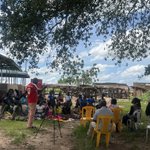


Accountability requires more than identifying gaps; it requires evidence, constructive engagement and follow-up. Community groups in Kumi now have practical tools to monitor public resources and engage duty-bearers on service-delivery priorities.


Participants developed three-month action plans to monitor priority public services, document findings and engage duty-bearers. They will share their learning with community groups and follow up on agreed actions to improve service delivery.

Community representatives in Kumi strengthened their skills in tracking public budgets, collecting and verifying service-delivery evidence, and engaging duty-bearers to address gaps and agree on practical actions for improved public services.
The training in highlighted the role of existing women’s, youth, savings and farmer groups in local accountability. Participants explored how these structures can mobilise citizens to monitor public services and engage in governance processes.


Yesterday, community representatives, particularly women and young people, gathered in Kumi for training on Community Scorecards, budget tracking and service monitoring to strengthen citizen participation, promote transparency and improve accountability in public service delivery


Grassroots women farmers in Nwoya District have shared their experiences, achievements and challenges over AKIWOFF’s 10-year journey, while identifying opportunities and priorities to strengthen women’s participation in agriculture and inform wider policy discussions.


The African Kilimanjaro Women Farmers Forum (AKIWOFF) provides a platform for women farmers and food-system actors to influence agricultural policy processes, including the Comprehensive Africa Agriculture Development Programme (CAADP) and African Union processes.


Women farmers play a vital role in sustaining local food systems, yet many grassroots women face financial and logistical barriers to participating in agricultural policy discussions. Their experiences and priorities deserve to be heard in decisions shaping food systems.

ActionAid International Uganda retweeted
Today, we are holding a follow-up dialogue in Nwoya District, bringing together 100 grassroots women farmers to share key outcomes from AKIWOFF’s 10th anniversary in Arusha and identify priorities for continued advocacy.


Today, we are holding a follow-up dialogue in Nwoya District, bringing together 100 grassroots women farmers to share key outcomes from AKIWOFF’s 10th anniversary in Arusha and identify priorities for continued advocacy.
Through today’s training in Pakwach, participants strengthened their skills in advocacy, community mobilisation and government engagement. Lead with integrity, engage decision-makers and turn community concerns into action for accountable governance and better public services.


Climate resilience begins with sustainable land management. In Kumi, women Reflect Action Groups called for stronger policies, planned land use, community sensitisation and collective action to restore ecosystems and protect natural resources.


Floods, droughts and strong winds threaten livelihoods and ecosystems. In Kumi, Ms. Ann Apio emphasised tree planting and restoration, alongside safe food storage and healthy diets, as practical measures to strengthen climate resilience and protect natural resources.


Women Reflect Action Groups in Kumi identified practical climate adaptation measures, including tree planting, wetland protection, kitchen gardening, irrigation, mulching and intercropping, to protect the environment and sustain food production amid changing weather patterns.

Deforestation, bush burning, wetland drainage, overstocking and poor waste disposal emerged as local causes of climate change during group discussions in Kumi. Women Reflect Action Groups explored how communities can change these practices to protect the environment.


Day 1 in Kumi: Women Reflect Action Groups are exploring climate change and its effects on communities. Ann urged participants to identify local climate risks and lead efforts to address them rather than wait for outsiders to act.


Accountability starts when citizens have a voice in decisions that affect them. In Pakwach, participants are exploring how advocacy and constructive engagement with government can help communities shape public service delivery. How can citizens make their voices count?


What changes when leaders listen and respond to citizens’ concerns? We equip youth and community leaders with skills to strengthen citizen participation, promote transparency, and advance accountable governance.


Effective coaching helps emerging leaders recognise their potential and strengthen their skills. In Pakwach, participants are developing mentorship strategies to guide others, build leadership capacity and encourage positive change within their communities.

@actionaiduganda, through Nebbi LRP, concludes its servant leadership and coaching training, equipping youth leaders, activists and community leaders to promote ethical leadership and accountable governance.


@actionaiduganda, through Nebbi LRP, concludes its servant leadership and coaching training, equipping youth leaders, activists and community leaders to promote ethical leadership and accountable governance.