

本周刊是比利时 Chinese Policy and Legal Consulting BV 旗下推出的中文电子媒体产品,致力于为全球中文读者提供以中国时政为核心,兼及全球时事、商业与文化议题的高质量分析评论。邮箱:[email protected]
NY
Joined April 2026
- Tweets763
- Following213
- Followers10.7K
- Likes345





Pinned Tweet
五中全会视频泄露惊人细节:胡春华携党章出席,疑似向习近平表达抗议
爆点周刊 纽约 10月29日讯 记者:保罗 中共二十届五中全会闭幕后,《爆点周刊》通过对中共官方公布的会议视频及现场照片进行分析,发现了一个不同寻常的政治细节:备受外界关注的中共中央委员、全国政协副主席胡春华,竟然携带一本明显经过反复翻阅的《中国共产党章程》出席中央全会。本刊认为,在习近平不断强化个人集权、大规模清洗中央委员的特殊政治背景下,胡春华这一举动可能并非偶然,而是一种值得关注的政治表达。
《爆点周刊》发现,中共官方公布的五中全会视频实际上由不同场次的会议画面组成,至少涉及三次全体会议。胡春华至少两次出现在会议现场,一次坐在会场中央委员区左侧第二排第一位,另一次则坐在左侧第四排第一位。而在被认为属于开幕会议的画面中,本刊并未在按照姓氏排列的胡姓委员区域发现胡春华,其是否出席开幕会议仍有疑问。更加引人注目的是,与其他中央委员不同,胡春华的桌面上出现了一本简装本《中国共产党章程》。从现场照片观察,这本党章具有明显的使用痕迹,尤其是中间部分的书页,似乎经过频繁翻阅。
胡春华为什么要带着党章参加五中全会?这恰恰是整个事件最值得关注的问题。按照《中国共产党章程》,党的最高领导机关是党的全国代表大会和它所产生的中央委员会,中央政治局及其常委会由中央委员会全体会议选举产生。党章同时规定,党内实行民主集中制,党的各级委员会实行集体领导和个人分工负责相结合的制度。换言之,习近平作为中共中央总书记,其权力同样来自党章规定的组织程序,并不存在超越党章、不受监督的特殊权力。中央委员不仅有遵守党章的义务,同样享有依据党章对党的工作提出批评和建议的权利。
然而,习近平执政以来,党内权力不断向其个人集中,大批中央委员和高级干部遭到清洗,中央委员会的集体领导作用受到外界质疑。尤其是本次五中全会,在集中处理大批中央委员的同时,进一步强化全面从严治党和政治纪律。在这样的背景下,胡春华携带一本经过反复翻阅的党章出席会议,便具有了特殊的政治象征意义。《爆点周刊》认为,这一举动可能是在提醒中央委员会:共产党还有自己的党章,中央委员还有自己的权利,习近平本人同样必须受到党章约束。
胡春华曾经被广泛视为中共最高领导人的潜在接班人,但在中共二十大后退出中央政治局,政治地位明显下降。作为一名长期在中共最高权力体系内工作的高级干部,胡春华不可能不了解党章的政治意义,更不可能不清楚在当前政治环境下公开挑战习近平所面临的风险。因此,如果携带党章确实是他有意作出的政治表达,那么这种不发一言、仅以党章表明立场的方式,或许比公开争论更加耐人寻味。当然,仅凭现场照片,尚不能断定胡春华已经在会议上公开反对习近平,但这一异常细节无疑为观察中共高层政治提供了新的线索。
《爆点周刊》认为,胡春华携带党章出席五中全会,真正触及的是习近平权力体系中一个始终无法回避的根本问题:习近平可以依据党章要求全党服从,可以依据党纪处分中央委员,那么谁来依据党章监督习近平?谁有权批评习近平?谁能够纠正习近平的错误?如果党章只用于约束普通党员和其他中央委员,却不能约束总书记本人,那么所谓依规治党、集体领导和党内民主,又还有多少实际意义?
五中全会已经闭幕,胡春华没有公开解释自己为什么携带党章,外界也尚不清楚他是否在会议上提出过不同意见。但一本被反复翻阅的党章,出现在一场大规模处分中央委员的政治会议上,仍然是一个值得追踪的细节。胡春华究竟是在查阅党章,还是在借党章向习近平表达无声抗议?这或许正是五中全会闭幕之后留下的又一个政治悬念。
爆点周刊将持续关注事件进展。
baodiantimes.com/article/wu-…

爆点周刊(BaodianTimes) retweeted

央视五中全会画面显示,胡春华桌上放有一本红色书册,其外观特征与书册的厚度、长宽比例与2022年版《中国共产党章程》一致。
《中国共产党党徽党旗条例》第七条,可以使用党徽图案的情形包括:
1、党内重要会议、重要活动使用的证件、标识等。
2、党的各级组织颁发的荣誉性文书、证件和工作证件等。
3、党内重要出版物、宣传品等。
4、党的各级组织的网站、党建宣传场所等。
5、党的对外交往活动。
从央视画面的整体和细节分析,这本红色册子为胡春华所独有。因而判断其有意为之。
下图为技术人员的部分识别过程。

爆点周刊(BaodianTimes) retweeted

《爆点周刊》通过对中共官方公布的会议视频及现场照片进行分析,发现政协副主席胡春华竟然携带一本《中国共产党章程》出席中央全会。
可能吗?不真实吗?
我立即想到的是文革之时,国家主席刘少奇手执宪法,向红卫兵抗议的情景。毛泽东在宪章之上,在党章之上,毛泽东的红卫兵们就拥有了上方宝剑,动用无产阶级直接专政的方式,横扫一切牛鬼蛇神。
胡春华携带党章出席党的五中全会,也许是对党的最高领导人最后的警示,或者是他自已最后的一份抗议,他在提醒党中央,文革不远,一个人的极权高过宪法与党章,国家将重蹈灾难。
从二十大胡锦涛被架出会场,到后来历次胡春华出席中央高层会议,我们都看到他的一副另类的面孔,写满失败感与无奈感,写着无法表述的愤懑,无法掩饰的悲怆。
他不是代表他一个人,他代表一个派系,他见证了党内寡头共和与平衡时代的结束,见证了另一个人的权势崛起。
按照邓小平确立的隔代指定的党内潜规则,习近平第二个任期结束后,将总书记大位交给胡春华,以实现权力的和平移交,实现党内不同派系的政治力平衡。这是非民主制度下,避免党内无规则的内斗内卷、为争夺最高权力恶斗的一种实用方式。最重要的还有,譬如一个人通过集权,像毛泽东那样实现极权,会导致文革灾难又一次出现。当然,一旦个人极权,还有一种可能,就是导致中共政权脆断。
因为时刻准备着接班,所以胡春华当政过程中,难有严重的违规行为被查实,这使他成为团派中仅有的留在高层的孤臣,都知道他是老大的眼中钉,都知道他承接大位的可能性几乎为零,都知道他内心的失落与悲愤,但又不得不坐在一起,开大会,假装一切都没有发生。
胡春华是一个标志性的符号,习近平会怎样的容忍他的持续存在,成为观察中国政治的一个标志性的存在,而爆料周刊报道的胡春华携带中国共产党章程进入会场,讨论这个话题是有意义的。
我们要继续看,习近平会对胡春华怎么办?
胡春华的韧性或忍辱负重还能坚持多久,难道仅仅是为了体面退休?
借此机会,我们一起阅读中国共产党党章,看看一百多年,这个党,它的党章哪些在改动,哪些坚持不变?
根据中共百年党章资料,我们可以看到,党章因领导人不同,而不断修改,关于党的集体领导,又是如何规定与异变的呢?
以下为中共党章的资料综述:
中共党章关于集体领导的规定,经历了确立、削弱、恢复及重新强化核心权威的异变过程。
民主集中制确立,已有百年:
1927年修章明确民主集中制,并完善中央政治局等组织设置,为委员会领导奠定制度基础。
1945年七大党章进一步规定党内民主与集中统一,但毛泽东思想指导地位的确立,也使组织制度与领袖权威同时发展,毛泽东思想提出,东方红唱响,整风运动整人,都在向个 人集权发展;
1956年八大党章强调集体领导,要求通过党的委员会讨论决定重大问题,体现执政后防止个人专断的制度取向。1957年反右,知识分子与政协精英遭受重创,国内与体制内,没有了平衡毛泽东威权的力量;
然而,1969年九大党章删去多项集体领导和党内民主规定,将林彪的接班人身份写入总纲,使领袖意志压倒组织程序。1973年十大虽删除林彪,仍延续文革路线;
1977年十一大恢复部分民主集中制规定,却未彻底清理其理论基础。
1982年十二大完成关键恢复:取消中央主席、副主席,明确委员会集体决策,禁止个人崇拜,反对任何领导人凌驾于组织之上。此后历次修章总体继承这一框架。
习近平时代修改党章则出现新的重心变化:
一方面反对个人崇拜,另一方面却要党内两个确立、两个维护,反个人崇拜是虚,搞个人极权是实。
2017年突出维护习近平核心地位和党中央权威,2022年将“两个维护”列入党员义务。集体领导条款并未取消,但维护特定领袖的要求得到强化。由制度文本看,这是集体领导原则的延续与核心权威强化并存;其实际效力,取决于集体讨论、监督和不同意见能否真正约束最高领导人。
@baodiantimes
附:AI整理的资料,非个人观点,仅供参考:
中共党章的历次修改,既记录政治路线的变化,也反映组织与领袖之间权力关系的调整。其演变并非不断完善的直线过程,而是在革命动员、个人集权与制度约束之间反复转向。
1922年二大制定首部正式党章,重点规定党员资格、组织层级和纪律。此后几次修订逐步完善候补党员、基层支部等制度;1927年明确民主集中制,1928年进一步确认共产国际的领导。这个时期的核心任务,是建立纪律严密、能够开展革命的组织。1945年七大增设总纲,确立毛泽东思想的指导地位,突出群众路线,标志着中共形成以自身革命经验和领袖权威为基础的政治体系。12371.cn
1956年八大党章适应执政后的建设任务,强调经济发展、现代化和集体领导。1969年九大则发生逆转:肯定文革及“继续革命”,删去党员权利和多项集体领导规定,取消监察委员会,甚至将林彪的接班人身份写进总纲。1973年十大删除林彪,却保留文革路线;1977年十一大恢复部分组织制度和现代化目标,仍未摆脱文革理论。党章由此显示:它既能约束权力,也可能被改造成确认领袖意志的工具。news.12371.cn
1982年十二大是另一重大转折。党章取消中央主席、副主席,只设总书记;明确集体领导,禁止个人崇拜,反对领导人凌驾于组织之上,并规定党必须在宪法和法律范围内活动。这些条款试图把文革教训转化为制度约束,但仍属于一党体制内部的自我限制。fuwu.12371.cn
此后至2012年,修订主要围绕改革、发展和扩大执政基础展开。1987年完善选举等组织程序;1992年突出社会主义初级阶段基本路线和市场经济改革,取消顾问委员会;1997年确立邓小平理论的指导地位。2002年写入“三个代表”,扩大党的代表性和吸纳社会阶层的范围;2007年写入科学发展观,2012年将其升为行动指南,并充实生态文明建设。总体上,经济社会政策的调整与历届领导人理论的制度化同步推进。12371.cn
**习近平时代的关键变化,应把2017年与2022年连起来看。**2017年已将以在任总书记姓名命名的思想列为行动指南,明确维护以习近平为核心的党中央权威,并把军委主席负责制写入党章。因此,这些并非2022年首次出现。12371.cn
2022年的突出变化,是进一步把政治集中转化为党员的明确义务:第三条新增“两个维护”,将维护习近平的核心地位与维护党中央集中统一领导相结合。它使服从组织的要求,更直接地关联到特定领袖。须区别的是,“两个确立”受到修章决议强调,但这一提法并未直接写入党章正文。dangjian.people.com.cn
政策上,2022年充实中国式现代化、共同富裕、统筹发展和安全、增强斗争本领,以及反对和遏制“台独”等内容;组织上强化全面从严治党、自我革命及监督责任。由此可以判断,其重心是以更强的政治统一和组织控制,应对发展与安全问题。sdcourt.gov.cn
**与1982年相比,2022年的深层区别是权力约束与核心权威之间的重心移动。**禁止个人崇拜、集体领导等条款仍然保留,但维护特定领袖核心地位的要求更加突出,两者形成制度张力。也不能把习近平第三任期解释为2022年党章取消了总书记任期限制:党章原本就没有连续两届的上限。其变化主要在政治权威的集中,而非这一任期条款的删除。

爆点周刊(BaodianTimes) retweeted
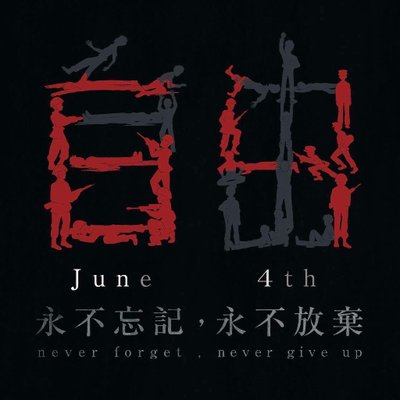
《爆点周刊》在中共五中全会的镜头中, 发现了一个细节: 胡春华在自己的座位上放了一本《中国共产党党章》, 目测没有看到其他中央委员这样做的. 胡春华的这个动作很耐人寻味. 《爆点周刊》的眼睛很犀利啊👍
胡春华是否借这个动作表达对习近平的不满, 他是不是已经面临政治上的困境, 才要有所表示, 这些我们尚没有证据, 还只能猜测. 但作为中共党史的研究者, 我可以给大家补充一个历史资料作为参考:
1964年12月15日, 中共中央召开工作会议, 讨论社教运动问题. 当时, 毛泽东与刘少奇在运动性质和主要矛盾上出现明显分歧: 毛泽东强调阶级斗争, 社会主义与资本主义的矛盾, 重点整“走资本主义道路的当权派”; 刘少奇则更多强调“四清与四不清的矛盾”, 认为是人民内部矛盾与敌我矛盾交织. 在争论中, 刘少奇一直插话, 毛感觉自己的权威受到了挑战.
于是, 12月28日, 毛泽东带着《中国共产党党章》和《中华人民共和国宪法》出席会议, 发脾气说:“你们一个不让我参加党的会议, 违反党章; 一个不让我发言, 违反宪法”等, 直接点名刘少奇和邓小平, 强烈表达政治上的不满. 这个党史公案广为人知. 今天拿来对比胡春华的举动, 就更有意思.
其实后来刘少奇在“文革”初期被批斗的时候, 也搞过类似的事情. 但他拿的不是党章, 而是宪法.
看来, 用党章和宪法来做政治表达, 的确是中共内部的一个传统. 至于胡春华是不是借用这个“传统”进行政治表达, 还需要进一步观察.
@baodiantimes
本周爆点话题:胡春华为什么携带《党章》出席五中全会闭幕会?(10月29日-10月31日)诚邀各位知共大V、高手围绕本周话题参与评论、解读。 投稿截止时间:10月31日(美东时间)晚7点。 稿件字数:300—3000字,长短不限,自由发挥。 特别提醒:请勿使用AI代写。 超简易投稿方式:将文章直接发布在您自己的X账号,并在文章末尾添加
@baodiantimes
即视为完成投稿。 同一主题可连续多篇投稿,基础稿费按一篇计算,流量稿费分别计算。基础稿费100美元起步+流量激励稿费,具体规则请点击链接baodiantimes.com/article/1b5…

五中全会视频泄露惊人细节:胡春华携党章出席,疑似向习近平表达抗议
爆点周刊 纽约 10月29日讯 记者:保罗 中共二十届五中全会闭幕后,《爆点周刊》通过对中共官方公布的会议视频及现场照片进行分析,发现了一个不同寻常的政治细节:备受外界关注的中共中央委员、全国政协副主席胡春华,竟然携带一本明显经过反复翻阅的《中国共产党章程》出席中央全会。本刊认为,在习近平不断强化个人集权、大规模清洗中央委员的特殊政治背景下,胡春华这一举动可能并非偶然,而是一种值得关注的政治表达。
《爆点周刊》发现,中共官方公布的五中全会视频实际上由不同场次的会议画面组成,至少涉及三次全体会议。胡春华至少两次出现在会议现场,一次坐在会场中央委员区左侧第二排第一位,另一次则坐在左侧第四排第一位。而在被认为属于开幕会议的画面中,本刊并未在按照姓氏排列的胡姓委员区域发现胡春华,其是否出席开幕会议仍有疑问。更加引人注目的是,与其他中央委员不同,胡春华的桌面上出现了一本简装本《中国共产党章程》。从现场照片观察,这本党章具有明显的使用痕迹,尤其是中间部分的书页,似乎经过频繁翻阅。
胡春华为什么要带着党章参加五中全会?这恰恰是整个事件最值得关注的问题。按照《中国共产党章程》,党的最高领导机关是党的全国代表大会和它所产生的中央委员会,中央政治局及其常委会由中央委员会全体会议选举产生。党章同时规定,党内实行民主集中制,党的各级委员会实行集体领导和个人分工负责相结合的制度。换言之,习近平作为中共中央总书记,其权力同样来自党章规定的组织程序,并不存在超越党章、不受监督的特殊权力。中央委员不仅有遵守党章的义务,同样享有依据党章对党的工作提出批评和建议的权利。
然而,习近平执政以来,党内权力不断向其个人集中,大批中央委员和高级干部遭到清洗,中央委员会的集体领导作用受到外界质疑。尤其是本次五中全会,在集中处理大批中央委员的同时,进一步强化全面从严治党和政治纪律。在这样的背景下,胡春华携带一本经过反复翻阅的党章出席会议,便具有了特殊的政治象征意义。《爆点周刊》认为,这一举动可能是在提醒中央委员会:共产党还有自己的党章,中央委员还有自己的权利,习近平本人同样必须受到党章约束。
胡春华曾经被广泛视为中共最高领导人的潜在接班人,但在中共二十大后退出中央政治局,政治地位明显下降。作为一名长期在中共最高权力体系内工作的高级干部,胡春华不可能不了解党章的政治意义,更不可能不清楚在当前政治环境下公开挑战习近平所面临的风险。因此,如果携带党章确实是他有意作出的政治表达,那么这种不发一言、仅以党章表明立场的方式,或许比公开争论更加耐人寻味。当然,仅凭现场照片,尚不能断定胡春华已经在会议上公开反对习近平,但这一异常细节无疑为观察中共高层政治提供了新的线索。
《爆点周刊》认为,胡春华携带党章出席五中全会,真正触及的是习近平权力体系中一个始终无法回避的根本问题:习近平可以依据党章要求全党服从,可以依据党纪处分中央委员,那么谁来依据党章监督习近平?谁有权批评习近平?谁能够纠正习近平的错误?如果党章只用于约束普通党员和其他中央委员,却不能约束总书记本人,那么所谓依规治党、集体领导和党内民主,又还有多少实际意义?
五中全会已经闭幕,胡春华没有公开解释自己为什么携带党章,外界也尚不清楚他是否在会议上提出过不同意见。但一本被反复翻阅的党章,出现在一场大规模处分中央委员的政治会议上,仍然是一个值得追踪的细节。胡春华究竟是在查阅党章,还是在借党章向习近平表达无声抗议?这或许正是五中全会闭幕之后留下的又一个政治悬念。
爆点周刊将持续关注事件进展。
baodiantimes.com/article/wu-…
Shocking Detail Emerges from CCP Fifth Plenum Video: Hu Chunhua Attends with Party Constitution, Possibly Signaling Protest Against Xi Jinping
Breaking Point Weekly | October 29, 2026 Reporter: Paul
Following the conclusion of the Fifth Plenary Session of the 20th Central Committee of the Chinese Communist Party (CCP), Breaking Point Weekly analyzed official video footage and photographs released by Chinese authorities and uncovered an unusual political detail: Hu Chunhua, a member of the CCP Central Committee and Vice Chairman of the Chinese People’s Political Consultative Conference (CPPCC), attended the plenary session carrying a copy of the Constitution of the Communist Party of China that appeared to have been repeatedly consulted. The publication believes that, against the backdrop of Xi Jinping’s increasing concentration of personal power and sweeping purges of Central Committee members, Hu’s actions may not have been coincidental but could represent a deliberate political statement.
Breaking Point Weekly found that the official footage of the Fifth Plenum was compiled from different meetings, involving at least three separate plenary sessions. Hu Chunhua appeared in at least two of them. On one occasion, he was seated in the first seat of the second row on the left side of the Central Committee members’ seating area. On another, he occupied the first seat of the fourth row on the same side. However, in footage believed to have been recorded during the opening session, Hu was not visible in the section where members with the surname Hu would normally have been seated under the apparent alphabetical seating arrangement based on Chinese surnames. This raises questions about whether he attended the opening session. More strikingly, unlike other Central Committee members, Hu had a paperback copy of the CCP Constitution on his desk. Photographs suggest that the booklet showed clear signs of use, particularly in its middle pages, which appeared to have been frequently turned.
Why did Hu Chunhua bring a copy of the Party Constitution to the Fifth Plenum? This is precisely what makes the discovery politically significant. Under the Constitution of the Communist Party of China, the Party’s highest leading bodies are the National Congress and the Central Committee elected by it. The Central Political Bureau and its Standing Committee are elected by the Central Committee in plenary session. The Constitution also establishes democratic centralism as the Party’s organizational principle and requires Party committees at all levels to operate through a combination of collective leadership and individual responsibility. In other words, Xi Jinping’s authority as General Secretary derives from organizational procedures established by the Party Constitution. He possesses no constitutional entitlement to exercise power beyond its provisions or remain exempt from supervision. Central Committee members are not only obligated to observe the Party Constitution but also entitled to criticize and make recommendations concerning Party affairs in accordance with its provisions.
Since Xi Jinping came to power, however, authority within the CCP has become increasingly concentrated in his hands. Large numbers of Central Committee members and senior officials have been removed through political and disciplinary investigations, while the effectiveness of collective leadership within the Central Committee has come under growing scrutiny. At the Fifth Plenum, which dealt with disciplinary action against numerous Central Committee members while further emphasizing strict Party governance and political discipline, Hu Chunhua’s decision to bring a visibly well-used copy of the Party Constitution takes on particular symbolic significance. Breaking Point Weekly believes that his gesture may have been intended as a reminder to the Central Committee that the Communist Party still has its own Constitution, that Central Committee members retain their rights under it, and that Xi Jinping himself must remain subject to its authority.
Hu Chunhua was once widely regarded as a potential successor to China’s top leadership. However, following the CCP’s 20th National Congress, he lost his seat on the Politburo, marking a significant decline in his political standing. As a senior official who spent decades operating within the highest levels of the CCP’s political system, Hu is undoubtedly familiar with the political significance of the Party Constitution. He would also understand the personal risks associated with openly challenging Xi Jinping under the current political climate. Therefore, if bringing the Constitution was indeed a deliberate political gesture, expressing his position silently through the Party’s own founding rules could be even more thought-provoking than an open confrontation. Of course, the photographs alone cannot establish that Hu openly opposed Xi during the meeting. Nevertheless, this unusual detail offers a potentially important new perspective on the political dynamics within the CCP leadership.
According to Breaking Point Weekly, Hu Chunhua’s appearance at the Fifth Plenum with a copy of the Party Constitution raises a fundamental question that lies at the heart of Xi Jinping’s system of power: Xi can invoke the Party Constitution to demand obedience from the entire Party and enforce disciplinary measures against Central Committee members, but who can invoke that same Constitution to supervise Xi Jinping? Who has the authority to criticize him? Who has the power to correct his mistakes? If the Party Constitution is used to restrain ordinary Party members and other members of the Central Committee but cannot effectively constrain the General Secretary himself, what substantive meaning remains in the principles of rule-based Party governance, collective leadership, and internal Party democracy?
The Fifth Plenum has now concluded. Hu Chunhua has offered no public explanation for bringing the Party Constitution, and it remains unknown whether he expressed dissenting views during the meetings. Nevertheless, the presence of a visibly well-used copy of the Party Constitution at a political gathering marked by extensive disciplinary action against Central Committee members remains a detail worthy of close examination. Was Hu Chunhua simply consulting the Party Constitution, or was he using it to deliver a silent protest against Xi Jinping? This may be one of the most intriguing political questions left unanswered by the Fifth Plenum.
Breaking Point Weekly will continue to follow developments surrounding this matter.
baodiantimes.com/article/sho…
中共拿姆巴佩“独裁者”旧闻祭旗,压制“谁监督习近平”讨论|中共二十届五中全会正在北京召开,一场针对法国足球巨星姆巴佩的政治围剿却突然席卷中国舆论场。中国外交部公开表态,中央电视台暂停相关赛事转播,多家中国企业宣布终止商业合作,社交媒体上更是掀起大规模声讨浪潮。事件的起因令人错愕:姆巴佩在一档法国娱乐节目中,将一张网络恶搞图片中的毛泽东称为“中国独裁者”。这段访谈早在2026年上半年就已录制,相关视频也并非首次公开,却偏偏在10月26日被重新翻出并迅速炒热。当天正是中共二十届五中全会开幕的日子。一段数月前的娱乐节目旧闻,突然被提升到国家尊严和民族感情的政治高度,进而引发外交、媒体和商业领域的连续惩戒,其政治意味远远超出了普通的娱乐新闻争议。笔者认为,中共选择在这一高度敏感的政治时间节点拿姆巴佩祭旗,真正值得关注的不是毛泽东的个人声誉,而是习近平正在推进的全面从严治党及其背后越来越尖锐的最高权力监督问题。习近平可以通过党纪、政纪和纪检监察体系要求全党服从监督,但中国政治始终存在一个无法回避的根本矛盾:当最高领导人掌握了监督体系的实际控制权,谁又能够有效监督最高领导人本人?
姆巴佩引发争议的言论,原本不过是法国娱乐节目中的一段轻松对话。主持人询问他最喜欢哪一张关于自己的网络恶搞图片,姆巴佩提到一张将自己头像与毛泽东形象合成的表情包,表示图片中的人物大概是一位中国独裁者。他甚至没有直接点名毛泽东,更没有发表任何针对中国人民或者中华民族的侮辱性言论。然而,中国官方却将这一历史政治评价直接上升为伤害中国人民感情的问题。这种政治定性实际上混淆了四个完全不同的概念:历史统治者、执政党、国家和民族。毛泽东作为中共建政的主要领导人,其历史行为和政治统治当然可以成为公共讨论与批评的对象,但毛泽东本人并不等于中国,更不等于中国人民。批评希特勒不意味着侮辱德国人民,批评斯大林也不意味着侮辱俄罗斯人民。一个民族的尊严从来不应建立在保护历史统治者个人声誉的基础之上。中共把外国人对毛泽东的政治评价解释为对整个中华民族的冒犯,恰恰暴露了其长期以来将党的统治合法性与国家民族认同强行捆绑的政治逻辑。
尤其荒唐的是,毛泽东晚年的个人专断和权力过度集中,并非中国官方历史叙事中完全不允许承认的事实。1981年,中共十一届六中全会通过《关于建国以来党的若干历史问题的决议》,明确承认毛泽东晚年犯了严重错误,对文化大革命负有主要责任,并对个人崇拜、个人专断以及权力过分集中的严重后果进行了反思。决议特别指出,毛泽东的个人专断作风日益严重,日益凌驾于党中央之上。一个人的权力能够凌驾于整个党中央之上,个人意志可以左右国家的政治命运,可以发动席卷全国的政治运动,并使无数人遭受政治迫害,这样的统治方式究竟是否具有独裁性质,本来就是一个可以按照历史事实和政治学标准进行讨论的问题。毛泽东发动大跃进和人民公社化运动,相关政策与1959年至1961年的严重饥荒及大规模非正常死亡密切相关;此后发动的文化大革命,又给中国社会造成深重灾难。这些历史事实不会因为今天有人高喊伤害民族感情就被改变。中共自己的历史决议既然已经承认毛泽东个人专断的严重后果,那么外国人将其称为独裁者,至少应当属于正常历史评价的范畴,而不是必须动用国家力量加以惩罚的政治冒犯。
中共如今对毛泽东历史形象的高度保护,显然不能仅从维护一个已故领导人个人声誉的角度理解。毛泽东已经去世五十年,不需要外交部为其辩护,也不需要中央电视台停止赛事转播,更不需要商业机构解除代言合同。毛泽东在中共政治体系中的特殊地位,在于他既是中共建政的核心象征,也是当代中共维持政治正统性的重要历史资源。习近平执政以来,反复强调不能用改革开放后的历史时期否定改革开放前的历史时期,强调党的历史连续性和政治正统。这种历史叙事不仅是在维护毛泽东的政治地位,也是在维护中共现行权力结构的历史合法性。然而,当习近平本人不断强化个人权力、重建以最高领导人为中心的政治秩序时,对毛泽东个人专断的历史评价便不可避免地获得了新的现实意义。毛泽东为什么能够凌驾于党中央之上,为什么没有人能够阻止文化大革命,为什么最高领导人的个人错误能够演变成整个国家的政治灾难,这些问题同样可以用于审视习近平正在形成的个人集权体系。中共对毛泽东独裁评价的敏感,因而不仅涉及历史正统性,也涉及现实最高权力的政治安全。
毛泽东去世后,中共曾经在一定程度上认识到个人崇拜、领导职务终身制和权力过分集中所造成的严重危害。邓小平推动党和国家领导制度改革,1982年宪法确立国家主席任期限制,背后都有防止最高权力长期集中于个人的制度考虑。习近平执政后,中国政治却重新出现明显的权力集中化趋势。2018年,国家主席任期限制被取消,习近平在党和国家政治生活中的核心地位不断强化,维护最高领导人权威和政治忠诚成为干部选拔任用、政治纪律建设乃至纪检监察工作的核心要求。在这种背景下,毛泽东时代曾经暴露出的制度性问题再次具有现实针对性。一个政治体系如果不能有效约束最高领导人的个人权力,那么不论其建立多少监督机构,制定多少政治纪律,都无法从根本上防止个人意志凌驾于制度之上。中共可以通过正式历史决议规定毛泽东的政治地位,却无法阻止国际社会按照同样的权力约束标准,对习近平的现实统治作出政治评价。
此次姆巴佩事件发生的时间,进一步突出了这种历史评价与现实政治之间的联系。10月26日开幕的中共二十届五中全会,正在讨论习近平主推的《中共中央关于持之以恒推进全面从严治党若干重大问题的决定》。全面从严治党具有天然的政治正确性,反对腐败、加强纪律、完善监督体系,在口号层面几乎无人能够公开反对。然而,习近平执政以来的全面从严治党,早已不仅是一般意义上的反腐败或者干部纪律建设,而是与加强党中央集中统一领导、强化政治忠诚以及最高权力对整个官僚体系的控制紧密结合。中国并不缺乏监督机构,中央纪委、国家监委、省市县各级纪委监委,以及派驻党政机关、国有企业和事业单位的纪检监察机构,已经形成一个覆盖广泛、组织严密的庞大监督网络。习近平执政以来,这套体系的权力不断扩大,监督范围不断延伸,官员受到的政治纪律约束日益严格。但监督机构数量的增长和监督权力的扩张,并不意味着最高权力本身获得了更加有效的制度约束。相反,当整个监督体系以维护最高领导人的政治权威为重要原则时,监督就可能从制约权力的制度安排,转化为最高权力控制全党的组织工具。
这恰恰是习近平全面从严治党最深刻的制度悖论。各级纪委可以调查党员干部,中央纪委可以调查高级官员,国家监委可以调查公职人员,但现实政治体系中究竟存在什么机构,能够在不受最高领导人个人政治意志支配的情况下,对习近平本人启动独立有效的调查与追责?按照中共党章,总书记由中央委员会全体会议选举产生,中央委员会在组织制度上拥有相应权力。然而,当最高领导人通过干部任免、组织纪律、政治权威以及对重要决策程序的控制,实际影响整个党内权力运行时,形式上的组织权力能否转化为现实中的有效监督,便成为决定政治制度性质的关键。习近平要求各级干部接受监督,却没有建立能够同等有效约束自身权力的独立机制;他不断强调政治纪律和政治规矩,却同时成为政治忠诚的最高对象。在这种制度结构下,纪检监察体系越庞大,未必意味着权力越受到约束,反而可能意味着最高领导人拥有了更加深入、更加严密地控制整个官僚体系的能力。
政治权力的高度集中必然伴随着政治责任的集中。习近平既然不断强化自己在党和国家政治生活中的核心地位,要求全党维护党中央集中统一领导,就无法永远把重大政策失误归咎于地方执行不力,把干部体系的系统性问题归咎于个别官员腐败,把国家治理的严重缺陷归咎于监督不够严格。如果所有重大政治决策最终都需要服从最高领导人的政治意志,那么最高领导人就必须承担与其权力相匹配的政治责任。随着五中全会文件公布、胡春华被清洗的事情做实,以及相关政治部署逐步展开,习近平个人集权的政治轮廓将越来越清晰。全面从严治党究竟是在建立能够有效约束所有权力的制度,还是在建立一套由最高权力控制、却不能有效约束最高权力本身的监督体系,将成为评价习近平政治统治性质的重要标准。
从这一角度观察,中共在五中全会开幕之际重新炒作姆巴佩的独裁者言论,便具有了不同寻常的政治意义。笔者认为,中共此举实际上是在借维护毛泽东的名义,为维护习近平个人权威划定舆论禁区。毛泽东作为已经去世的历史人物,尚且不能被外国人公开称为独裁者,那么正在执政的习近平自然更被置于不容批评的政治保护范围。中共通过外交回应、媒体抵制和商业惩戒向外界展示了一种明确的政治规则:即使不是中国公民,即使身处自由社会,即使仅仅是在娱乐节目中评价一位历史人物,只要触碰中共所保护的最高政治权威,就可能付出巨大的商业和声誉代价。是否存在针对此次事件的专门政治指令,仍取决于具体决策证据,但这场旧闻新炒所产生的政治效果,显然与习近平近年来不断强化领袖权威、压缩政治批评空间的治理方向高度一致。
姆巴佩的特殊身份,使这场政治惩戒具有明显的示范效应。他不是政治人物,不是人权律师,也不是长期批评中共的异见人士,而是一名具有巨大商业价值和国际影响力的职业足球运动员。对这样一个公众人物施加政治压力,能够直接影响全球体育产业、娱乐行业和跨国商业机构对中国政治风险的判断。中共并不需要直接控制法国媒体,也不需要在法国拥有司法权,只要能够利用中国市场、品牌代言、广告合同和赛事转播形成经济压力,就可能促使境外公众人物与商业机构主动调整自己的言论边界。其后果不仅是少数明星遭到惩戒,更可能使大量与中国市场存在利益关系的外国企业、体育组织和文化机构形成自我审查机制,把中国的政治禁忌提前纳入自身商业决策。国家权力由此通过市场利益向境外延伸,对自由社会的政治表达形成持续性的威慑。这种方式虽然不同于针对海外异见人士的绑架、监控和骚扰,但同样可能构成对境外言论自由的实质性压制。
事件发生在法国,尤其具有讽刺意味。作为《人权和公民权宣言》的诞生地,法国长期将言论自由视为共和国政治制度的基本原则。法国公民在法国媒体节目中评价一位外国历史政治人物,原则上属于自由表达的范畴。中国企业当然可以依法自主选择商业合作伙伴,但一个外国政府如果利用市场影响力,要求法国公众人物遵守其本国的政治禁忌,就已经超出了正常商业合作的范畴。当经济利益被系统性地用于迫使境外机构接受某种政治表达规则时,商业合作便可能逐渐演变为政治服从关系。尤其是在中国市场具有巨大经济吸引力的情况下,这种机制可能使中共的政治审查不再局限于中国境内,而是通过跨国商业网络影响其他国家的公共讨论空间。
然而,中共借姆巴佩旧闻祭旗,也暴露出其政治策略中的内在矛盾。原本只有有限受众关注的一段法国娱乐节目,因为中国官方的高调介入,反而成为国际舆论重新讨论毛泽东独裁统治的契机,并进一步引出习近平个人集权与最高权力监督的问题。中共试图通过惩戒外国公众人物维护历史领袖形象,却无法消除毛泽东时代个人专断造成严重政治灾难的历史事实;试图通过强化政治禁忌维护现实最高领导人的权威,也无法消除外界对习近平权力结构的制度性质作出判断的权利。一个统治者是否属于独裁者,最终取决于其权力是否受到有效约束、政治反对是否受到容忍、人民能否公开批评最高领导人,以及最高权力能否通过明确有效的制度实现监督、纠错与更替,而不是取决于外交部门的政治定性或者商业机构的抵制决定。
1981年,中共通过历史决议承认,毛泽东晚年的个人专断、个人崇拜和权力过分集中曾经给中国人民造成严重灾难。45年后的2026年,中共再次召开以全面从严治党为核心议题之一的中央全会,习近平却仍然没有解决最高领导人个人权力如何受到有效制度约束的问题。中国政治的真正危险,并不在于监督机构数量不足,而在于整个监督体系可能越来越服从最高权力,却缺乏约束最高权力的实际能力。一个政党如果能够监督一亿多党员,却无法有效监督自己的总书记,那么所谓全面从严治党就可能成为强化个人集权的政治工具。中共可以要求姆巴佩为评价毛泽东承担后果,却无法要求历史改变对毛泽东政治统治的评价;可以通过商业惩戒压制外国公众人物的言论,却无法消除习近平个人权力持续集中所带来的政治责任。
毛泽东不等于中国,习近平更不等于中华民族。中国人民没有义务为任何统治者的历史错误承担责任,更没有义务为了维护最高领导人的个人权威而放弃政治批评的权利。真正值得中国社会和国际社会追问的,不是姆巴佩有没有资格评价毛泽东,而是中国共产党在经历毛泽东时代的严重政治灾难之后,是否真正建立了能够防止最高权力再次失控的制度。习近平可以要求全党接受越来越严密的监督,但他始终无法回避那个最根本的政治问题:习近平监督全党,谁来监督习近平?
作者:杜文
编辑:保罗
baodiantimes.com/article/zho…

The CCP Revives Mbappé’s Old “Dictator” Remark to Silence Debate Over Who Can Hold Xi Jinping Accountable
As the Fifth Plenary Session of the 20th Central Committee of the Chinese Communist Party (CCP) convenes in Beijing, an extraordinary political campaign has erupted in China against French football superstar Kylian Mbappé. China’s Ministry of Foreign Affairs has publicly intervened, China Central Television (CCTV) has suspended broadcasts of certain sporting events, several Chinese companies have announced the termination of their commercial partnerships with the player, and a wave of nationalist condemnation has swept across Chinese social media. The controversy stems from a seemingly innocuous remark made during a French entertainment program, in which Mbappé described Mao Zedong as a “Chinese dictator.” The interview was recorded in the first half of 2026, and the footage was not new. Yet it was suddenly revived and widely circulated on October 26, precisely the day the CCP’s Fifth Plenum opened. A months-old entertainment clip was abruptly elevated into a matter of national dignity and public sentiment, triggering a coordinated series of diplomatic, media, and commercial responses. The political significance of this episode extends far beyond an ordinary media controversy. In my assessment, the CCP has seized upon Mbappé’s old remarks at a particularly sensitive political moment to make an example of him. Behind the apparent defense of Mao’s historical reputation lies a far more consequential question, one directly related to Xi Jinping’s ongoing campaign of “comprehensive and strict Party governance”: If Xi Jinping demands discipline and obedience from the entire Party, who has the authority to hold Xi Jinping himself accountable?
The remarks at the center of the controversy were made during a lighthearted exchange on a French entertainment show. Asked which internet meme featuring himself he liked most, Mbappé referred to an image combining his face with Mao Zedong’s and remarked that the figure depicted was, as he understood it, probably a Chinese dictator. The footballer did not even explicitly mention Mao by name, much less make any derogatory statement about the Chinese people or the Chinese nation. Nevertheless, Chinese authorities transformed this historical and political observation into an alleged insult to the feelings of the Chinese people. Such a characterization rests on a fundamental conflation of four distinct concepts: a historical ruler, the ruling political party, the state, and the nation. Mao Zedong, as the principal leader of the regime established in 1949, is naturally a legitimate subject of historical scrutiny and political criticism. But Mao is not China, nor does he represent the Chinese people as a whole. Criticizing Hitler does not constitute an insult to the German people, just as criticizing Stalin does not amount to an attack on the Russian people. A nation’s dignity should never depend on protecting the personal reputation of a former ruler. By portraying a political assessment of Mao as an offense against the entire Chinese nation, the CCP exposes a longstanding political practice: deliberately conflating the legitimacy of its own rule with the identity and dignity of the nation.
The irony is particularly striking because Mao Zedong’s personal authoritarianism, concentration of power, and political excesses are not entirely absent from the CCP’s own official historical narrative. In June 1981, the Sixth Plenary Session of the 11th Central Committee adopted the Resolution on Certain Questions in the History of Our Party Since the Founding of the People’s Republic of China. The resolution explicitly acknowledged that Mao had committed serious mistakes in the later years of his life and bore primary responsibility for the Cultural Revolution. It criticized the disastrous consequences of the personality cult, personal authoritarianism, and excessive concentration of power. Most notably, the document stated that Mao’s tendency toward arbitrary personal rule had grown increasingly severe, eventually placing him above the Party’s Central Committee. This admission carries profound political significance. When one individual possesses power exceeding that of the entire central leadership, when his personal will can determine the political destiny of a nation, launch nationwide political campaigns, and subject countless people to persecution, it is entirely legitimate to examine the dictatorial nature of such rule according to historical evidence and established political standards. Mao launched the Great Leap Forward and the collectivization of agriculture, policies closely associated with the catastrophic famine of 1959–1961 and millions of excess deaths. The Cultural Revolution subsequently inflicted immense suffering on Chinese society. These historical realities cannot be erased by invoking national sentiment. Since the CCP itself has acknowledged the disastrous consequences of Mao’s personal authoritarianism, describing him as a dictator should fall within the boundaries of legitimate historical debate, not be treated as a political offense warranting state intervention.
The extraordinary efforts now being made to protect Mao’s historical image cannot be understood merely as an attempt to defend the reputation of a deceased leader. Mao Zedong died fifty years ago. He has no need for China’s Foreign Ministry to defend him, for CCTV to suspend sporting broadcasts, or for Chinese corporations to terminate advertising contracts on his behalf. Mao’s unique status within the CCP’s political system derives from his role as both the founding symbol of the Communist regime and a central source of historical legitimacy for the contemporary Party-state. Since assuming power, Xi Jinping has repeatedly insisted that the period of reform and opening up must not be used to negate the preceding revolutionary era, nor vice versa. In doing so, he has defended the historical continuity and political orthodoxy of the CCP. This narrative is not simply about preserving Mao’s place in history; it also serves to protect the historical legitimacy of the current power structure. Yet as Xi Jinping increasingly consolidates personal authority and reconstructs a political order centered on the supreme leader, the historical assessment of Mao’s authoritarian rule inevitably acquires renewed contemporary significance. Why was Mao able to place himself above the Central Committee? Why was no one able to prevent the Cultural Revolution? How could one leader’s personal mistakes become a national catastrophe? These same questions can now be applied to the increasingly centralized system of power under Xi Jinping. The CCP’s sensitivity to the term “dictator” when applied to Mao therefore concerns not only historical orthodoxy but also the political security of the current supreme leader.
Following Mao’s death, the CCP acknowledged, at least to some extent, the dangers of personality cults, lifelong tenure in leadership positions, and excessive concentration of power. Deng Xiaoping initiated reforms of the Party and state leadership systems, while the 1982 Constitution introduced presidential term limits as part of a broader effort to prevent supreme political authority from remaining indefinitely in the hands of one individual. Under Xi Jinping, however, Chinese politics has undergone a pronounced process of recentralization. In 2018, presidential term limits were abolished. Xi’s status as the Party’s “core leader” has been continuously reinforced, while political loyalty to the supreme leader has become a central criterion in cadre appointments, political discipline, and internal Party supervision. Against this background, the institutional problems exposed during the Mao era have regained urgent contemporary relevance. When a political system lacks effective mechanisms to constrain the personal power of its supreme leader, no number of supervisory agencies or disciplinary regulations can fundamentally prevent one individual’s will from overriding established institutions. The CCP may formally define Mao’s historical status, but it cannot prevent the international community from applying the same standards of institutional accountability to Xi Jinping’s exercise of power.
The timing of the Mbappé controversy further underscores the connection between historical evaluation and contemporary political struggles. The Fifth Plenary Session of the 20th Central Committee, which opened on October 26, is examining a draft Decision of the Central Committee of the Communist Party of China on Persistently Advancing Comprehensive and Strict Party Governance and Several Major Related Issues, promoted by Xi Jinping. The phrase “comprehensive and strict Party governance” carries an apparently unassailable political legitimacy. Combating corruption, strengthening discipline, and improving oversight mechanisms are objectives that few would openly oppose in principle. Under Xi Jinping, however, this campaign has long extended beyond conventional anti-corruption efforts or administrative discipline. It has become closely integrated with a broader strategy to reinforce the centralized and unified leadership of the Party’s Central Committee, impose political loyalty, and extend the supreme leader’s control over the entire bureaucratic apparatus. China certainly does not suffer from a shortage of supervisory institutions. The Central Commission for Discipline Inspection, the National Supervisory Commission, disciplinary and supervisory commissions at provincial, municipal, and county levels, and oversight bodies embedded within government agencies, state-owned enterprises, and public institutions together form an extensive and tightly organized network. Since Xi assumed power, the authority of this system has expanded dramatically, its jurisdiction has broadened, and political constraints on officials have become increasingly stringent. Yet the expansion of supervisory institutions does not necessarily mean that the supreme political authority itself has become subject to more effective institutional constraints. On the contrary, when the entire oversight apparatus treats the defense of the supreme leader’s political authority as a fundamental principle, supervision risks ceasing to function as a mechanism for limiting power and instead becomes an instrument through which the supreme leader controls the Party.
This is the deepest institutional contradiction in Xi Jinping’s approach to Party governance. Disciplinary commissions can investigate Party members, the Central Commission for Discipline Inspection can investigate senior officials, and the National Supervisory Commission can investigate public servants. But which institution genuinely possesses the power to initiate an independent and effective investigation into Xi Jinping himself, without being subject to his political will? Under the CCP Constitution, the General Secretary is elected by the Central Committee in plenary session, which formally possesses certain organizational powers. Yet when the supreme leader exercises decisive influence over personnel appointments, organizational discipline, political authority, and major decision-making procedures, the critical question becomes whether these formal institutional powers can translate into meaningful and independent oversight. Xi demands that Party officials submit to supervision and discipline, yet he has not established an independent mechanism capable of subjecting his own authority to equivalent accountability. He continually emphasizes political discipline and Party rules while simultaneously becoming the ultimate object of political loyalty. Under such an institutional arrangement, a more powerful disciplinary system does not necessarily produce stronger constraints on power. It may instead increase the supreme leader’s capacity to control the bureaucratic apparatus down to its smallest operational details.
Extreme concentration of political power inevitably entails a corresponding concentration of political responsibility. Xi Jinping cannot indefinitely strengthen his position as the central leader, demand that the entire Party defend the authority of the Central Committee, and simultaneously attribute major policy failures to inadequate implementation by local authorities, systemic bureaucratic dysfunction to the corruption of individual officials, or serious governance failures to insufficient discipline. If all major political decisions must ultimately conform to the will of the supreme leader, then that leader must also bear political responsibility commensurate with his authority. As the documents of the Fifth Plenum are released, the political purge of Hu Chunhua is confirmed, and the new political directives are progressively implemented, the contours of Xi Jinping’s personal rule will become increasingly apparent. Whether “comprehensive and strict Party governance” establishes a genuine system of accountability applicable to all holders of power, or instead consolidates a supervisory apparatus controlled by the supreme authority while remaining incapable of holding that authority accountable, will become a crucial criterion for assessing the nature of Xi Jinping’s political rule.
From this perspective, the revival of Mbappé’s remarks at the very opening of the Fifth Plenum assumes particular political significance. In my assessment, the CCP is using the defense of Mao’s historical image to establish new boundaries around Xi Jinping’s personal authority and restrict the space for political criticism. If Mao Zedong, who died half a century ago, cannot be publicly described as a dictator by a foreign national without that individual suffering serious consequences, then the current ruler is, by implication, placed within an even more heavily protected political sphere. Through diplomatic interventions, media boycotts, and commercial reprisals, the CCP is sending a clear message to the outside world: even if one is not a Chinese citizen, even if one lives in a free society, and even if one merely comments on a historical figure during an entertainment program, speech that touches upon the supreme political authority protected by the regime may carry substantial economic and reputational consequences. Whether specific political directives were issued in this case would require evidence concerning the decision-making process. Nevertheless, the political effects of reviving this old controversy are fully consistent with Xi Jinping’s broader governing approach, characterized by the strengthening of personal authority and the shrinking space for political criticism.
Mbappé’s particular status gives this campaign of punishment an especially powerful demonstrative effect. He is not a politician, a human rights lawyer, or a dissident who regularly criticizes the CCP. He is a professional footballer with enormous international influence and commercial value. By applying political pressure to a figure of this stature, Beijing directly affects how global sports organizations, entertainment industries, and multinational corporations assess the political risks associated with the Chinese market. The CCP does not need to control French media or exercise judicial authority on French territory. It only needs to leverage access to the Chinese market, advertising contracts, commercial partnerships, and broadcasting rights to encourage foreign public figures and private institutions to adjust the boundaries of their own expression. The consequences may extend far beyond the handful of celebrities directly targeted. Companies, sports organizations, and cultural institutions with commercial interests in China may begin incorporating the regime’s political taboos into their decision-making processes preemptively. In this way, state power extends beyond national borders through economic interests, producing a lasting chilling effect on political expression within free societies. Although this method differs from the abduction, surveillance, or harassment of Chinese dissidents abroad, it may likewise contribute to the suppression of freedom of expression beyond China’s borders.
The fact that this controversy involves France makes it particularly ironic. As the birthplace of the Declaration of the Rights of Man and of the Citizen, France has long regarded freedom of expression as a fundamental principle of its republican constitutional order. A French citizen’s assessment, on a French television program, of the political character of a deceased foreign leader should ordinarily fall within the legitimate exercise of that freedom. Chinese companies are naturally entitled to choose their commercial partners in accordance with applicable law. However, when a foreign government uses its economic influence to pressure French citizens into observing its own political taboos, it moves beyond the normal boundaries of commercial relations. When economic interests are systematically deployed to impose political speech restrictions on foreign institutions, commercial cooperation risks gradually becoming a relationship of political submission. Given the enormous economic attraction of the Chinese market, such a mechanism could allow the CCP’s censorship practices to extend beyond China’s borders and influence public debate in other countries.
Yet by making an example of Mbappé over an old controversy, the CCP has exposed a fundamental contradiction in its own strategy. A French entertainment clip that originally attracted limited attention has, precisely because of the Chinese authorities’ dramatic intervention, become an occasion for renewed international debate over the dictatorial nature of Mao Zedong’s rule, the concentration of personal power under Xi Jinping, and the absence of effective mechanisms for holding the supreme leader accountable. The CCP seeks to defend the image of its historical leader by punishing a foreign public figure, but it cannot erase the political catastrophes caused by Mao’s personal authoritarianism. It seeks to protect the authority of the current leader by reinforcing political taboos, but it cannot prevent observers from assessing the nature of Xi Jinping’s power according to institutional standards. Whether a ruler can properly be described as a dictator ultimately depends on whether power is subject to effective constraints, whether political opposition is tolerated, whether citizens can openly criticize the supreme leader, and whether clear and effective mechanisms exist to supervise, correct, and transfer supreme political authority. Such a judgment cannot be determined by statements from a foreign ministry or by commercial boycott decisions.
In 1981, the CCP officially acknowledged that Mao Zedong’s personal authoritarianism, personality cult, and excessive concentration of power had caused grave disasters for the Chinese people. Forty-five years later, in 2026, the Party has once again convened its Central Committee around the central question of strengthening internal discipline and supervision, yet Xi Jinping has still not resolved the fundamental problem of how the supreme leader’s personal power can be effectively constrained by institutions. The real danger facing China does not lie in an insufficient number of supervisory bodies, but in the possibility that the entire oversight system will become increasingly subordinate to the supreme authority while lacking any effective capacity to restrain that same authority. When a political party can supervise more than one hundred million members but cannot effectively hold its own General Secretary accountable, the supposedly “comprehensive and strict governance of the Party” risks becoming an instrument for consolidating personal rule. Beijing may demand that Mbappé bear the consequences of his assessment of Mao, but it cannot demand that history revise its judgment of Maoist rule. It may use commercial pressure to discourage criticism from abroad, but it cannot eliminate the political responsibility arising from the continuing concentration of power in Xi Jinping’s hands.
Mao Zedong is not China, and Xi Jinping does not embody the Chinese nation. The Chinese people have no obligation to bear responsibility for the historical mistakes of their rulers, nor should they be required to surrender their right to political criticism in order to protect the personal authority of the supreme leader. The real question facing Chinese society and the international community is not whether Kylian Mbappé had the right to call Mao a dictator, but whether the Chinese Communist Party, after the political catastrophes of the Mao era, has genuinely established an institutional system capable of preventing another uncontrolled concentration of supreme power. Xi Jinping may impose ever-stricter supervision on the Party, but he cannot escape the most fundamental political question of all:
Xi Jinping supervises the entire Party. But who supervises Xi Jinping?
Author: Du Wen
Editor: Paul
baodiantimes.com/article/the…
Le PCC instrumentalise une ancienne déclaration de Mbappé sur la dictature pour étouffer le débat : qui contrôle Xi Jinping ?
Alors que le cinquième plénum du XXe Comité central du Parti communiste chinois (PCC) se tient actuellement à Pékin, une campagne politique d’une ampleur considérable vient de s’abattre sur la star française du football Kylian Mbappé. Le ministère chinois des Affaires étrangères est intervenu publiquement, la télévision centrale chinoise (CCTV) a suspendu la diffusion de certaines compétitions sportives, plusieurs entreprises chinoises ont annoncé la rupture de leurs partenariats commerciaux avec le joueur, tandis qu’une vague de condamnations déferlait sur les réseaux sociaux. À l’origine de cette controverse : une simple remarque faite par Mbappé dans une émission de divertissement française, au cours de laquelle il avait qualifié Mao Zedong de « dictateur chinois ». Or, cet entretien avait été enregistré au premier semestre 2026 et les images n’étaient pas inédites. Elles ont pourtant été remises en circulation le 26 octobre, précisément le jour de l’ouverture du cinquième plénum du Comité central du PCC. Une séquence de divertissement vieille de plusieurs mois s’est ainsi retrouvée soudainement élevée au rang d’affaire touchant à la dignité nationale et aux sentiments du peuple chinois, entraînant des réactions diplomatiques, médiatiques et commerciales en chaîne. La portée politique de cette affaire dépasse manifestement celle d’une simple polémique médiatique. Selon mon analyse, le PCC a choisi ce moment particulièrement sensible pour faire de Mbappé un exemple destiné à intimider les critiques. Derrière la défense apparente de la mémoire de Mao Zedong se profile une question bien plus fondamentale, directement liée à la campagne de « gouvernance intégrale et rigoureuse du Parti » menée par Xi Jinping : si Xi Jinping impose sa discipline et son contrôle à l’ensemble du Parti, qui est en mesure de contrôler Xi Jinping lui-même ?
Les propos incriminés avaient été tenus dans le cadre d’un échange léger au cours d’une émission française. Interrogé sur son photomontage humoristique préféré, Mbappé avait évoqué une image associant son visage à celui de Mao Zedong, en indiquant que le personnage représenté était, selon lui, probablement un dictateur chinois. Le footballeur n’avait même pas prononcé explicitement le nom de Mao Zedong, et encore moins formulé la moindre insulte à l’encontre du peuple chinois ou de la nation chinoise. Pourtant, les autorités chinoises ont transformé cette appréciation historique et politique en une prétendue atteinte aux sentiments du peuple chinois. Une telle qualification repose sur une confusion fondamentale entre quatre réalités distinctes : un dirigeant historique, le parti au pouvoir, l’État et la nation. Mao Zedong, en tant que principal dirigeant du régime issu de la révolution communiste de 1949, constitue naturellement un sujet légitime de débat et de critique historiques. Mais Mao Zedong n’est ni la Chine ni le peuple chinois. Critiquer Hitler ne revient pas à insulter les Allemands ; critiquer Staline ne constitue pas une offense au peuple russe. La dignité d’une nation ne saurait dépendre de la protection de la réputation personnelle d’un ancien dirigeant. En assimilant une appréciation politique sur Mao à une offense envers l’ensemble de la nation chinoise, le PCC révèle précisément la logique qui consiste, depuis des décennies, à confondre délibérément la légitimité du Parti avec l’identité nationale.
L’ironie est d’autant plus flagrante que les dérives autoritaires de Mao Zedong, son pouvoir personnel et sa concentration excessive de l’autorité ne constituent pas des faits totalement exclus de l’histoire officielle du PCC. En juin 1981, le sixième plénum du XIe Comité central adopta la « Résolution sur certaines questions de l’histoire de notre Parti depuis la fondation de la République populaire de Chine ». Ce document reconnaissait explicitement que Mao avait commis de graves erreurs dans les dernières années de sa vie et portait la responsabilité principale de la Révolution culturelle. La résolution dénonçait notamment les conséquences désastreuses du culte de la personnalité, de l’autoritarisme personnel et de la concentration excessive des pouvoirs. Elle soulignait même que la tendance de Mao à décider seul était devenue de plus en plus grave, au point de le placer progressivement au-dessus du Comité central du Parti. Cette conclusion historique est politiquement essentielle. Lorsqu’un homme dispose d’un pouvoir supérieur à celui de l’ensemble de la direction centrale, lorsque sa volonté personnelle peut déterminer le destin politique d’un pays, déclencher des campagnes politiques nationales et provoquer la persécution d’innombrables personnes, il est parfaitement légitime d’examiner la nature dictatoriale d’un tel système à la lumière des faits historiques et des critères de la science politique. Mao lança le Grand Bond en avant et la collectivisation rurale, dont les politiques furent étroitement liées à la grande famine de 1959 à 1961 et à des millions de morts. La Révolution culturelle, déclenchée par la suite, infligea également des souffrances immenses à la société chinoise. Ces réalités historiques ne disparaîtront pas parce que les autorités actuelles invoquent les sentiments nationaux. Dès lors que le PCC lui-même a reconnu les conséquences dramatiques de l’autoritarisme personnel de Mao, qualifier celui-ci de dictateur devrait relever du débat historique normal, et non d’une offense politique justifiant l’intervention de l’appareil d’État.
La protection particulièrement énergique dont bénéficie aujourd’hui l’image historique de Mao ne peut cependant être comprise comme une simple défense de la réputation d’un dirigeant disparu. Mao Zedong est mort depuis cinquante ans. Il n’a nul besoin du ministère des Affaires étrangères pour le défendre, de CCTV pour suspendre des retransmissions sportives ou d’entreprises chinoises pour rompre des contrats publicitaires. Sa place singulière dans le système politique chinois tient au fait qu’il demeure à la fois le symbole fondateur du régime communiste et l’une des principales ressources historiques sur lesquelles repose la légitimité politique du PCC contemporain. Depuis son arrivée au pouvoir, Xi Jinping insiste régulièrement sur le fait qu’il ne faut pas utiliser la période des réformes et de l’ouverture pour nier celle qui l’a précédée, ni inversement. Il défend ainsi la continuité historique et l’orthodoxie politique du Parti. Cette conception ne vise pas seulement à préserver la place de Mao dans l’histoire : elle sert également à protéger la légitimité historique de l’architecture actuelle du pouvoir. Or, à mesure que Xi Jinping renforce son autorité personnelle et reconstruit un ordre politique centré sur le dirigeant suprême, l’évaluation historique de l’autoritarisme de Mao acquiert inévitablement une nouvelle dimension contemporaine. Pourquoi Mao a-t-il pu se placer au-dessus du Comité central ? Pourquoi personne n’a-t-il pu empêcher la Révolution culturelle ? Comment les erreurs personnelles d’un dirigeant ont-elles pu se transformer en catastrophe nationale ? Ces questions peuvent désormais être posées à propos du système de concentration du pouvoir qui se développe sous Xi Jinping. La sensibilité du PCC face au qualificatif de « dictateur » appliqué à Mao ne concerne donc pas seulement l’orthodoxie historique : elle touche directement à la sécurité politique du pouvoir suprême actuel.
Après la mort de Mao, le PCC avait reconnu, au moins partiellement, les dangers du culte de la personnalité, du maintien à vie des dirigeants dans leurs fonctions et de la concentration excessive des pouvoirs. Deng Xiaoping avait engagé des réformes du système de direction du Parti et de l’État. La Constitution de 1982 avait notamment instauré une limitation du nombre de mandats présidentiels, dans le cadre d’une volonté plus large d’éviter que le pouvoir suprême ne reste indéfiniment concentré entre les mains d’un seul homme. Sous Xi Jinping, la politique chinoise a pourtant connu un mouvement manifeste de recentralisation. En 2018, la limitation du nombre de mandats du président de la République a été supprimée. Le statut de Xi comme « noyau dirigeant » du Parti a été constamment renforcé, tandis que la loyauté politique envers le dirigeant suprême est devenue un critère central de la sélection des cadres, de la discipline politique et des activités de contrôle interne. Dans ce contexte, les problèmes institutionnels révélés par l’époque maoïste retrouvent une actualité inquiétante. Lorsqu’un système politique ne dispose pas de mécanismes efficaces permettant de limiter le pouvoir personnel de son dirigeant suprême, le nombre d’organes de contrôle et de règles disciplinaires qu’il adopte ne suffit pas à empêcher la volonté d’un individu de s’imposer au-dessus des institutions. Le PCC peut définir officiellement la place historique de Mao Zedong, mais il ne peut empêcher la communauté internationale d’appliquer les mêmes critères de contrôle du pouvoir à l’exercice actuel de l’autorité par Xi Jinping.
Le calendrier de l’affaire Mbappé renforce encore le lien entre cette controverse historique et les enjeux politiques contemporains. Le cinquième plénum du XXe Comité central, ouvert le 26 octobre, examine le projet de « Décision du Comité central du Parti communiste chinois sur la poursuite résolue de la gouvernance intégrale et rigoureuse du Parti et plusieurs questions majeures qui s’y rapportent », présenté sous l’impulsion de Xi Jinping. La formule de « gouvernance intégrale et rigoureuse du Parti » possède une légitimité politique apparente difficile à contester : lutter contre la corruption, renforcer la discipline et perfectionner les mécanismes de surveillance semblent, en principe, des objectifs consensuels. Pourtant, sous Xi Jinping, cette politique dépasse depuis longtemps la simple lutte contre la corruption ou la discipline administrative. Elle s’inscrit dans une stratégie plus vaste visant à renforcer la direction centralisée et unifiée du Comité central, à imposer la loyauté politique et à étendre le contrôle du pouvoir suprême sur l’ensemble de l’appareil bureaucratique. La Chine ne manque nullement d’organes de surveillance. La Commission centrale de contrôle de la discipline, la Commission nationale de supervision, les commissions disciplinaires et de supervision des provinces, des villes et des districts, ainsi que les organismes de contrôle intégrés aux administrations, entreprises publiques et institutions publiques, constituent déjà un réseau immense et étroitement organisé. Depuis l’arrivée de Xi Jinping au pouvoir, les prérogatives de ce système ont été considérablement étendues, son champ d’intervention élargi et les contraintes politiques pesant sur les cadres renforcées. Mais la multiplication des organes de contrôle ne signifie pas que le pouvoir suprême soit lui-même davantage soumis à des mécanismes institutionnels efficaces. Au contraire, lorsque l’ensemble du système de surveillance fait de la défense de l’autorité politique du dirigeant suprême l’un de ses principes fondamentaux, la surveillance risque de cesser d’être un moyen de limiter le pouvoir pour devenir un instrument permettant au pouvoir suprême de contrôler le Parti.
C’est précisément là que réside la contradiction institutionnelle la plus profonde de la politique de Xi Jinping. Les commissions disciplinaires peuvent enquêter sur les membres du Parti, la Commission centrale de contrôle de la discipline peut poursuivre de hauts responsables, et la Commission nationale de supervision peut enquêter sur les agents publics. Mais quelle institution dispose réellement de la capacité d’ouvrir une enquête indépendante et effective contre Xi Jinping lui-même, sans dépendre de sa volonté politique ? Selon les statuts du PCC, le secrétaire général est élu par le Comité central réuni en session plénière, lequel possède formellement certaines prérogatives organisationnelles. Toutefois, lorsque le dirigeant suprême exerce une influence déterminante sur les nominations, la discipline organisationnelle, l’autorité politique et les principales procédures de décision, la question essentielle devient celle de la capacité réelle de ces institutions à exercer un contrôle indépendant. Xi Jinping exige que les cadres du Parti soient surveillés et disciplinés, sans avoir instauré de mécanisme indépendant capable de soumettre son propre pouvoir à une responsabilité équivalente. Il insiste sur la discipline et les règles politiques tout en devenant lui-même l’objet suprême de la loyauté politique. Dans une telle configuration, plus le système disciplinaire devient puissant, moins cela garantit une limitation effective du pouvoir ; il peut, au contraire, accroître la capacité du dirigeant suprême à contrôler l’appareil bureaucratique dans ses moindres détails.
Une concentration extrême du pouvoir implique nécessairement une concentration de la responsabilité politique. Xi Jinping ne peut continuellement renforcer son statut de dirigeant central, exiger du Parti qu’il défende l’autorité du Comité central et, dans le même temps, attribuer indéfiniment les échecs politiques majeurs à la mauvaise exécution des décisions par les autorités locales, les dysfonctionnements systémiques de l’administration à la corruption de quelques responsables, ou les graves défauts de gouvernance à une discipline insuffisante. Si toutes les décisions politiques majeures doivent finalement se conformer à la volonté du dirigeant suprême, celui-ci doit également assumer la responsabilité politique correspondant à son pouvoir. Avec la publication des documents du cinquième plénum, la confirmation de l’éviction politique de Hu Chunhua et la mise en œuvre progressive des nouvelles orientations, les contours du pouvoir personnel de Xi Jinping devraient apparaître avec une netteté croissante. La question de savoir si la « gouvernance intégrale et rigoureuse du Parti » instaure un véritable système de contrôle applicable à tous les détenteurs du pouvoir, ou si elle consolide au contraire un appareil de surveillance contrôlé par le sommet sans être capable de contrôler ce même sommet, deviendra un critère essentiel pour apprécier la nature du régime politique de Xi Jinping.
C’est sous cet angle que la réactivation de la polémique autour des propos de Mbappé, au moment même de l’ouverture du cinquième plénum, prend une signification politique particulière. Selon mon analyse, le PCC utilise la défense de l’image historique de Mao pour tracer une nouvelle frontière autour de l’autorité personnelle de Xi Jinping et limiter les possibilités de critique. Si Mao Zedong, disparu depuis un demi-siècle, ne peut être publiquement qualifié de dictateur par un étranger sans que celui-ci subisse de lourdes conséquences, le dirigeant actuellement au pouvoir se trouve, a fortiori, placé dans une zone de protection politique encore plus stricte. Par les réactions diplomatiques, les boycotts médiatiques et les sanctions commerciales, le PCC adresse au monde extérieur un message clair : même lorsqu’on n’est pas citoyen chinois, même lorsqu’on vit dans une société libre, même lorsqu’on se contente d’évoquer un personnage historique au cours d’une émission de divertissement, toute parole touchant à l’autorité politique suprême protégée par le régime peut entraîner des conséquences économiques et réputationnelles considérables. L’existence éventuelle d’instructions politiques spécifiques dans cette affaire dépendrait de preuves relatives au processus de décision. Mais les effets politiques de cette réactivation d’une ancienne controverse correspondent manifestement à l’orientation générale de la gouvernance de Xi Jinping, caractérisée par le renforcement de l’autorité personnelle du dirigeant et la réduction de l’espace accordé à la critique politique.
Le statut particulier de Mbappé donne à cette campagne de sanctions une portée exemplaire. Il n’est ni responsable politique, ni avocat des droits humains, ni dissident engagé dans une critique régulière du régime chinois. Il s’agit d’un footballeur professionnel bénéficiant d’une influence internationale et d’une valeur commerciale considérables. En exerçant des pressions politiques sur une personnalité de ce rang, Pékin affecte directement la manière dont les industries sportives, culturelles et les entreprises multinationales évaluent les risques politiques liés au marché chinois. Le PCC n’a pas besoin de contrôler directement les médias français, ni d’exercer une compétence judiciaire sur le territoire français. Il lui suffit d’utiliser l’accès au marché chinois, les contrats publicitaires, les partenariats commerciaux et les droits de retransmission pour inciter des personnalités étrangères et des institutions privées à modifier elles-mêmes les limites de leur expression. Les conséquences peuvent aller bien au-delà des quelques célébrités directement sanctionnées : un grand nombre d’entreprises, d’organisations sportives et d’institutions culturelles ayant des intérêts en Chine pourraient intégrer préventivement les interdits politiques du régime dans leurs décisions commerciales. Le pouvoir étatique étendrait ainsi son influence au-delà des frontières par l’intermédiaire des intérêts économiques, produisant un effet dissuasif durable sur l’expression politique dans les sociétés libres. Même si ce procédé diffère des enlèvements, de la surveillance ou du harcèlement visant certains dissidents chinois à l’étranger, il peut lui aussi contribuer à restreindre concrètement la liberté d’expression hors de Chine.
Le fait que cette affaire concerne la France lui donne une dimension particulièrement paradoxale. Pays de naissance de la Déclaration des droits de l’homme et du citoyen, la France considère depuis longtemps la liberté d’expression comme l’un des principes fondamentaux de son ordre républicain. L’appréciation par un citoyen français, dans une émission française, de la personnalité politique d’un ancien dirigeant étranger relève en principe de l’exercice légitime de cette liberté. Les entreprises chinoises sont naturellement libres de choisir leurs partenaires commerciaux dans le respect du droit applicable. Mais lorsqu’un gouvernement étranger utilise son influence économique pour imposer aux citoyens français le respect de ses propres interdits politiques, il dépasse le cadre normal des relations commerciales. Dès lors que les intérêts économiques deviennent un moyen systématique d’imposer des règles d’expression politique à des institutions étrangères, la coopération commerciale risque progressivement de se transformer en relation de soumission politique. Compte tenu de l’importance économique du marché chinois, un tel mécanisme pourrait permettre aux pratiques de censure du PCC de dépasser les frontières de la Chine et d’influencer l’espace du débat public dans d’autres pays.
En faisant de Mbappé un exemple à travers cette ancienne polémique, le PCC révèle néanmoins une contradiction fondamentale de sa propre stratégie. Une séquence de divertissement française qui n’intéressait initialement qu’un public limité est devenue, précisément en raison de l’intervention spectaculaire des autorités chinoises, l’occasion de relancer le débat international sur la nature dictatoriale du pouvoir de Mao Zedong, puis sur la concentration du pouvoir personnel de Xi Jinping et l’absence de mécanismes efficaces de contrôle du dirigeant suprême. Le PCC cherche à défendre l’image de son dirigeant historique en sanctionnant une personnalité étrangère, mais il ne peut effacer les catastrophes provoquées par l’autoritarisme personnel de Mao. Il cherche à préserver l’autorité du dirigeant actuel en renforçant les interdits politiques, mais il ne peut empêcher les observateurs d’évaluer la nature du pouvoir de Xi Jinping à partir de critères institutionnels. La qualification de dictateur dépend fondamentalement de l’existence de limites effectives au pouvoir, de la tolérance envers l’opposition politique, de la possibilité pour les citoyens de critiquer publiquement leur dirigeant, ainsi que de mécanismes clairs permettant de surveiller, de corriger et de transmettre le pouvoir suprême. Elle ne saurait être déterminée par les déclarations d’un ministère des Affaires étrangères ni par les décisions de boycott d’entreprises commerciales.
En 1981, le PCC reconnaissait officiellement que l’autoritarisme personnel, le culte de la personnalité et la concentration excessive des pouvoirs de Mao Zedong avaient provoqué de graves catastrophes pour le peuple chinois. Quarante-cinq ans plus tard, en 2026, le Parti réunit de nouveau son Comité central autour de la question du renforcement de la discipline et du contrôle internes, sans que Xi Jinping ait résolu le problème fondamental de la limitation institutionnelle du pouvoir personnel du dirigeant suprême. Le véritable danger pour la Chine ne réside pas dans l’insuffisance du nombre d’organes de surveillance, mais dans le risque que l’ensemble du système de contrôle devienne toujours plus subordonné au pouvoir suprême, sans disposer de la capacité effective de limiter ce même pouvoir. Lorsqu’un parti est capable de surveiller plus de cent millions de membres, mais ne peut exercer un contrôle effectif sur son propre secrétaire général, la prétendue « gouvernance intégrale et rigoureuse du Parti » risque de devenir un instrument de consolidation du pouvoir personnel. Pékin peut exiger de Mbappé qu’il assume les conséquences de son jugement sur Mao, mais ne peut demander à l’histoire de modifier son verdict sur le régime maoïste. Il peut exercer des pressions commerciales pour décourager les critiques venues de l’étranger, mais ne peut faire disparaître la responsabilité politique résultant de la concentration croissante du pouvoir entre les mains de Xi Jinping.
Mao Zedong n’est pas la Chine, et Xi Jinping n’incarne pas davantage la nation chinoise. Le peuple chinois n’a aucune obligation de porter la responsabilité des erreurs historiques de ses dirigeants, ni de renoncer à son droit de critique politique pour protéger l’autorité personnelle du chef suprême. La véritable question que devraient se poser la société chinoise et la communauté internationale n’est pas de savoir si Kylian Mbappé avait le droit de qualifier Mao de dictateur, mais si le Parti communiste chinois, après les catastrophes politiques de l’ère maoïste, a réellement construit un système institutionnel capable d’empêcher une nouvelle dérive incontrôlée du pouvoir suprême. Xi Jinping peut imposer au Parti une surveillance toujours plus stricte, mais il ne peut échapper à cette interrogation politique fondamentale : Xi Jinping surveille l’ensemble du Parti. Mais qui surveille Xi Jinping ?
Par Du Wen
Éditeur : Paul
baodiantimes.com/article/le-…
爆点周刊第19期:五中全会《全面从严治党决定》习近平为何忙于为自己盖棺定论?
编者按:本周,爆点周刊独家披露了《中共中央关于持之以恒推进全面从严治党若干重大问题的决定》稿(以下简称《全面从严治党决定》)。该报道引发了全球华人的广泛关注,报道文章网站阅读量单日突破150万次。X官方账号阅读超过60万次。该稿此前仅在中共省部级党委常委级别官员群体中征求意见,同时也向一些特定群体小范围征求意见,最终于9月21日中共政治局会议讨论通过。本刊根据获得的讨论稿文本分析:《全面从严治党决定》实际上是聚焦党建而非此前外界普遍预计的单纯反腐问题。征求意见稿共分为六部分:
第一部分是“加强党的建设、确定并维护习近平的核心地位”,其方法论是:要求全体党员要严守党的政治纪律和政治规矩,不折不扣落实党中央决策部署,深刻领悟“两个确立”的决定性意义,坚决做到“两个维护”。持之以恒用党的创新理论凝心铸魂,深学细悟习近平新时代中国特色社会主义思想,深入系统学习近平党建思想,用以武装头脑、指导实践、推动工作等。
决定的第二部分是:强化组织建设。其具体方法论是:要深入贯彻新时代党的组织路线,着力增强各级党组织政治功能和组织功能,持续打造忠诚干净担当的高素质专业化干部队伍。
决定的第三部分是继续保持反腐高压态势。其主要方法论是:加大对权力集中、资金密集、资源富集等重点领域、关键岗位的监督。加强对既往反腐败案件经验的总结,围绕填补制度空白和机制漏洞为抓手,有针对性做好建章立制,完善反腐败体制机制建设。加强以案示警,一体推进不敢腐、不能腐、不想腐。
决定的第四部分是推进党的作风建设,要从严从实落实中央八项规定及实施细则精神,巩固拓展树立践行正确政绩观学习教育成果,推动作风建设长效化。
决定的第五部分是压实各级党委主体责任,各级党委(党组)要切实扛牢全面从严治党主体责任,主要负责同志要担负起“第一责任人”责任,班子成员要履行好“一岗双责”。
决定的第六部分是压实各级纪委责任,决定要求各级纪委要履行好监督责任,以更高标准、更严举措推动全面从严治党各项工作落到实处。
上述六个方面,是本刊记者根据《爆点周刊》透明度计划独家获得的《中共中央关于持之以恒推进全面从严治党若干重大问题的决定》讨论稿原文,进行梳理、归纳和提炼后形成的主要内容。出于保护信息来源及相关人员安全的考虑,本刊暂不公开文件全文及其他可能暴露信息源的细节。我们对所披露信息的真实性负责,并愿意接受本月底中共五中全会正式文件及相关官方信息的公开检验。
本刊引用一位不愿透露姓名的中共高级官员观点:“《全面从严治党决定》的背景是,习近平中央已经充分意识到,自党的十八大以来的反腐整肃路线所引发巨大争议和党内分裂,只是大家敢怒不敢言而已。习近平想通过这种‘若干重大问题决定’的方式,以党中央的名义,肯定其反腐路线的正当性,从而对自己的既往路线进行盖棺定论的同时,宣誓继续将该路线贯彻到底,进而为其二十一大继续掌握最高权力铺平道路。其官方表述为:充分彰显了以习近平同志为核心的党中央强党强国的历史主动和深入推进从严治党的自我革命的坚强意志和坚定决心”
正如杜文先生所言:习近平试图通过这份决定,完成三个政治目标,为过去定性、为现在立规、为未来铺路。
五中全会将于下周一在北京正式召开,对于我们的预判是否准确?最终结果如何?我们拭目以待。为了聚焦五中全会,本刊下周的出刊时间将作特殊调整,待五中全会闭幕后再推出讨论话题。
祝各位读者周末愉快。
baodiantimes.com/article/bao…

突发:美国率先禁用两款中国安可产品
爆点周刊 10月23日 纽约讯 记者:保罗
10月5日,爆点周刊独家披露了:中共史上最大政务工程——安可替代工程,严重危害各国安全的问题。这是中国“安可工程”首次为世界所知。本刊在报道中点名披露了华为海思芯片为安可工程重要供应商的问题。
两周后,美国联邦通信委员会(FCC)于2026年10月22日发出通报,其工程技术办公室本周阻止一款行车记录仪和一款无线视频传输器获得在美营销、销售所需的批准,原因是设备含有华为子公司海思的芯片。具体执行日期、厂商和设备型号未公开。本刊透明度计划从中国方面获悉,其在美国被禁止的两款海思芯片正是安可工程产品。此次执法行动是FCC首次依据2026年7月通过的新规采取具体的组件级执法行动。编号 FCC 26–50、ET Docket 21–232。
华为及中国政府方面对此都高度重视,正在紧急开会商讨对策。
预计本刊将因此遭到中共方面的激烈报复,本刊本周收到的网络安全报告显示,9月本刊曾遭遇984万次网络攻击,其中主要来自香港和土耳其的服务器。
baodiantimes.com/article/tu-…

BREAKING: U.S. Becomes First Country to Ban Two Chinese Anke Products
Baodian Weekly | New York | October 23, 2026
By Paul
On October 5, Baodian Weekly published an exclusive investigation exposing China’s Anke Replacement Project (安可替代工程), described as the largest government information technology replacement initiative in the history of the Chinese Communist Party, and the serious security risks it poses to other countries. The investigation marked the first international exposure of the Anke Project and specifically identified Huawei’s semiconductor subsidiary, HiSilicon, as a major supplier to the program.
Just over two weeks later, on October 22, 2026, the U.S. Federal Communications Commission (FCC) announced that its Office of Engineering and Technology had blocked the authorization of two devices—a dashboard camera and a wireless video transmitter—because they contained chips manufactured by HiSilicon, a subsidiary of Huawei.
The FCC’s decision prevents the two devices from obtaining the regulatory approval required for marketing and sale in the United States. The specific dates of the authorization decisions, the manufacturers involved, and the device models have not been publicly disclosed.
According to exclusive information obtained by Baodian Weekly‘s Transparency Initiative from sources in China, the two HiSilicon chips implicated in the U.S. restrictions are products developed for China’s Anke Replacement Project.
This marks the FCC’s first concrete component-level enforcement action under new regulations adopted in July 2026, pursuant to FCC 26-50, ET Docket No. 21-232.
According to Baodian Weekly’s sources in China, both Huawei and Chinese government authorities are taking the U.S. action extremely seriously and have convened emergency meetings to discuss countermeasures.
Baodian Weekly anticipates intensified retaliation from the Chinese Communist Party following its investigation and disclosures concerning the Anke Project.
A cybersecurity report received by the publication this week revealed that Baodian Weekly was subjected to approximately 9.84 million cyberattack attempts in September 2026, with the majority originating from servers located in Hong Kong and Turkey.
The publication remains committed to exposing the Anke Replacement Project and its implications for international cybersecurity.
baodiantimes.com/article/bre…
爆点周刊(BaodianTimes) retweeted

习近平为什么要忙于给自己盖棺定论?
10月15日,《求是》杂志刊登了习近平《以更高标准、更实举措推进全面从严治党》一文,这篇文章不是习近平最新讲话,而是他今年1月12日在二十届中央纪委五次全会上讲话的主要内容,讲话是今年1月份的,公开发表却是在10月份,五中全会即将召开前这么一个最敏感的政治档口,为什么要在这个时候发表?习近平要指引什么风向?
《全面从严治党决定》的背景是,习近平已经充分意识到,自他十八大掌权以来,以反腐的手段,打击政治异己,所引发巨大争议和党内分裂,到了被人人怨恨的地步,历史上所有的暴君,下场都很惨,习近平不可能不知道,众人在他面前唯唯诺诺,是所有人不敢言,不敢怒,不代表心里就服。
知道你们不服,但如何能让自己的反腐政策得到制度化肯定,变成全党的行动指南,习近平是动足了脑筋。
众所周知,毛泽东在世,为了树立自己的个人权威,搞出了所谓毛泽东思想,到文革期间已经发挥到极致,邓小平掌权后,搞出了邓小平理论,他要摸着石头过河,搞所谓中国特色社会主义,等到了江泽民执政,江泽民推出三个代表,胡锦涛执政,胡锦涛推出科学发展观,现在习近平掌权都已经十四年了,他除了若干项烂尾工程之外,唯一欺骗老百姓的就是所谓的反腐败,天天高喊反腐,实际上是以反腐为手段,打击政敌,清除异己。
时间长了,当然得罪了很多人,包括当年扶持他上台的很多党内元老和跟他一样具备优越感的红二代,习近平要想继续连任,就必须对这些人有所交代。
所以习近平就想通过所谓“若干重大问题决定”的方式,以中央的名义,确定他坚持反腐路线的正当性,从而对他自己十四年的执政,所走过的既往路线,进行政治上的盖棺论定。
与此同时,他逼着党内高层,跟他一起宣誓,继续将反腐路线,贯彻到底,进而为他二十一大继续掌握最高权力铺平所有政治道路。
这实际上就是中共政治运作中的一个重要特点:通过中央委员会的集体决定,将最高领导人的政治主张上升为全党的政治意志,并以制度化、权威化的形式要求全党服从,贯彻执行,凡是忠诚不绝对的,就一定是绝对不忠诚。
民意从来就不是中共执政的基础,但是民意是一定要欺骗的,反腐败、杀贪官、抄家产,就如同共产党早期篡政之前的口号:打土豪分田地是一样的,习近平就是要通过中央全会来肯定他的反腐制度,把他个人的意志,转化为全党的意志,把他个人的想法强加于老百姓,以“人民的名义”反腐,最终达到愚弄的民意,成为习近平执政合法性的一部分。
@baodiantimes
爆点周刊(BaodianTimes) retweeted
整党首先要整自已的专制欲与极权梦
一、先转述:《爆点周刊》披露的『讨论稿』内幕文件:
文件主要有六个方面。第一,强化党的政治建设,进一步确定和维护习近平的核心地位,要求全党严守政治纪律和政治规矩,落实“两个确立”“两个维护”。第二,强化党的组织建设,建设忠诚、干净、担当的干部队伍。第三,继续保持反腐败高压态势,特别是加强对权力集中、资金密集、资源富集领域和关键岗位的监督。第四,继续加强党的作风建设,落实中央八项规定。第五,压实各级党委的主体责任,特别是党委主要负责人的第一责任。第六,压实各级纪委的监督责任,以更高标准、更严举措推动全面从严治党。
二、我有几个基本判断
1-
与朱元璋从严治官一样,习近平从严治党,是发自内心的,手段并不比朱皇帝严厉,但技术手段与威慑力的量级差不多,最后结果,也会是一样。集权者的宿命悲剧无法逃避;
2-
毛泽东用运动方式整肃官员,通过集权达到个人极权,在这个过程中树立绝对威权,党天下变成毛天下,结果呢,一人谢幕,帮派倒台,后习时代,谁能重建威权?中共极权产生的难题,永远无解;
3-
习当政近三届,全面失败,内忧外患,全面危机之时,整党是消除异见声音,消除异已势力,使每一个党政官员被置于绝对的训诫状态与问责状态。保证21大召开前绝对安全,因为党内安全,是党国安全的基本保证。
三、习近平与朱皇帝
朱元璋治官,以重典、酷刑和特务,手段残酷、血腥。
朱皇帝反贪腐是真诚的,他出身贫寒,深恶官吏贪暴,得天下编颁《大诰》,以法令与案例震慑官民。除斩、绞外,还使用凌迟、枭首等酷刑,使官场笼罩于恐惧之中。
这种统治短期内压制了部分贪腐,强化了中央控制,却也造成冤狱,促使官员自保避责,难以根除腐败。
其制度原因在于:
皇权缺乏有效制约,官员主要向皇帝负责,百姓缺少稳定的监督与申诉保障。
朱元璋废除丞相,又以锦衣卫强化特务政治,把整顿吏治更多寄托于君主意志和刑罚威慑。加之俸禄偏低、行政负担沉重,上有政策下有对策,自上而下的惩治腐败,做大的是特务集团。结果是刑罚愈重,官场愈惧,腐败却未随之消失。
四、习近平深陷反腐悖论,无法解脱
文明国家反腐败,并不是政府设置反贪局来实现,而是独立的司法,独立的媒体,多党互相监督,议员也能发挥作用。
习上台之后十多年,独立调查 记者还有吗?
帮助维权的律师是不是全面受控制与打压?
网络揭露腐败的言论空间还存在吗?
最重要的体制内监督,应该是政协与人大代表,他们应该是独立于党和政府的重要监督力量,但他们完全被党化,是党和政府的政治花瓶。
如果禁止维权人士越级上访,那么,让当地的人大代表与政协委员参与到相关维权与反腐败监督,使地方党政官员侵权腐败行为得到一定的遏制,也使维权上访人员有申诉的空间,这一点都无法做到。
为什么不愿意接受社会力量与代表委员们对党政官员的监督呢?
因为党要管一切,其他力量介入,都可以会将最高领导人派系力量揭发,使反腐败『失控』。反腐败是党国领导人排除异已的重要利器,不可落入他人之手。
五、结语:习近平需要自我革命
如果党国整肃贪腐、统一思想,仍然停留在三四百年前朱皇帝的境界,或者只是升级其手段,只是增加了意识形态统一的内容,那么,这种反腐败或统一思想,不可能持续,不可能有效。
现代政治文明,几项重大法则不可漠视:
司法独立、言论自由、人民有自已选举的代表,这些应该优先落实,然后才是第二步,三权分立,多党竞选,军队独立等等现在政治文明的宪政模式。
习近平不在有生之年促进中国的民主自由法治,还像毛泽东那样致力于终身独裁,致力于自上而下的反腐,通过政治威慑,对全国搞精神控制,结局肯定是徒劳的。
习近平需要自我革命,就是革除个人极权,废除一党专政,兑现中共的延安承诺。
否则中国的问题永远无解。
@baodiantimes

爆点周刊(BaodianTimes) retweeted

习近平要忙于给自己盖棺定论?
习近平要给自己盖棺定论了?这里的“盖棺”,可不是准备交班,而是准备继续掌权之前,先把过去十几年的政治账,按照自己的意思结清。
爆点披露的这份讨论稿,如果最终落地,核心就是借党中央的名义,给习近平十八大以来的反腐整肃路线作一次全面背书:过去这么干是正确的,今后还要继续,谁也别想翻案。
十几年反腐,多少官员落马,多少权力格局被重新洗牌,又积累了多少党内不满?
按照报道的分析,习近平现在要做的,就是把这条充满争议的路线,变成不容质疑的中央政治结论,个人的政治责任,由中央集体决定背书;对路线的不同意见,则可能被上升为政治纪律问题。
看看报道归纳的文件框架,首先就是维护习近平的核心地位,随后是组织建设、反腐高压,以及层层压实党委和纪委责任。这套安排贯穿始终的要求,就是全党服从核心,整套组织机器继续沿着他的路线运转。
这与原文梳理的政治逻辑一脉相承:通过权威文件解释过去,再用对过去的定性约束未来。
中共历史上有三份历史决议,毛泽东那份,是靠总结历史确立自己的权威。邓小平那份,是靠纠正错误推动转型。
规律很简单:谁写决议,谁就是那段历史的裁判。
现在,又要专门为反腐出一份“重大问题决定”。
2021年的历史决议已经强化了习近平的核心地位,如今如果再为反腐整肃作系统性肯定,就等于给自己的执政路线再加一道政治保险。
所以,这份决定既要替过去定调,也要为二十一大继续掌握最高权力铺路,先宣布路线完全正确,再要求全党贯彻到底,继续掌权也就有了现成的政治理由。
说到底,习近平想争取的,是由自己执笔、全党署名的历史评价。
权力还要握下去,功绩先要写上去,至于争议和责任,最好统统关进“不许妄议”的笼子里,人还在台上,历史结论已经准备让全党举手通过了。
@baodiantimes
爆点周刊(BaodianTimes) retweeted

刘军宁|从分赃到逃生:中国官场的腐败转型
从分赃到逃生
江胡两朝的腐败是有价目表的。允你分利,换你听话。脏是真脏,但两头都认这笔账。官僚因此成了这家中国共产党股份有限公司的股东——有份子可拿,自然有理由替它续命。
十八大以后,股东一夜之间变成随时可以被清算的雇员。
雇员不会为公司拼命。雇员会把能搬的往外搬。
《决定》标题里“持之以恒”四个字,等于把话说死:这事没有终点。一个官员读懂这四个字,剩下的心思就只有一样。下一轮轮到我之前,怎么把人和钱弄到安全的地方。
贪腐于是改了形态。从前捞钱是为了置产、过日子、送儿子出去读书,那是奔着未来去的。现在捞钱是为了买一张随时能走的票。
从希望到绝望
十八大之前蛋糕在长。官商同盟里有一种真实的乐观:真能升官真会发财。多数人相信经济还会好,位子和票子一直呈正相关。
十八大之后,“刑不一再上常委”。党政官僚队伍里再没有一个人知道自己离危险有多远。
绝望不来自高压。熬得过去的叫运动,熬不过去的叫常态。《决定》把高压钉成了常态,后面再接上二十一大继续掌权,等于当着全党的面通知:你们这辈子就这样了。洗洗睡吧!
上级疑下级不忠,下级防上级整肃。谁也不敢把真话说出口,于是谁也不知道别人在想什么。这是新常态。
从进取到躺平
从前一个干部的眼光能放到五年十年。守住基本的政治正确,按部就班往上走;帮企业冲一冲旧规矩,自己在增量里分一块。规矩虽然是暗的,但它存在,可以照着办。
现在他能看多远?下一轮还能不能平安落地?
最划算的做法跟着就变了。别把事做大,先把手里的东西变现、挪走。少拍板、少签字、少留痕。做成一件事换不来什么,做错一件事可以要命。
躺平不是懒。那是一个人在没有法、随时可能被清算的地方,自己算出来的最优解。
从合作到对抗
交易还在的时候,上下之间至少有一样东西是真的:彼此有用。上面要稳定,下面要份子,各取所需,双方依从无形的约定。
现在《决定》给出的办法叫“一岗双责”:下属出事,上级连坐。名义是监督,做法是扣人质。后果可以提前写出来,上级从此不想知道下面的事,知道了就得担责;下级从此不敢往上报,报上去先挨处分的是自己。
一份想解决信息问题的文件,办法却是加重知情者的责任。这条路往下走只有一个结局:上面越来越看不见。
对抗不会以叛变的形式出现。它安静得多:不作为、不表态、不把身家押在这条船上。末日的王朝之船还在往前走,只是负责划桨的人已经一个一个把手松开了。
(@baodiantimes)
背景资料:nitter.cf/baodiantimes/status/21…

独家解密:五中全会《关于持之以恒推进全面从严治党若干重大问题的决定》稿
爆点周刊 纽约 10月19日讯 记者保罗
10月15日,《求是》杂志刊发习近平《以更高标准、更实举措推进全面从严治党》一文,引发海内外广泛关注。外界有观点认为,这是习近平在为即将召开的中共二十届五中全会提前释放政策信号,甚至可能成为即将出台的《中共中央关于持之以恒推进全面从严治党若干重大问题的决定》(以下简称《全面从严治党决定》)的重要政策依据。然而,这篇文章实际上只是习近平2026年1月12日在二十届中央纪委五次全会上讲话的主要部分,并非专门为五中全会发表的新讲话。
值得注意的是,《求是》此时刊发这篇讲话,客观上容易使外界将其视为五中全会全面从严治党议题的主要政策信号。然而,根据本刊获得的《从严治党决定》稿,习近平试图推动的政治安排,远不止公开讲话所呈现的内容。
据本刊掌握的信息,该决定讨论稿此前已在部分省部级官员范围内征求意见。本刊获得文件后,已通过交叉核验确认其真实性。为了避免公众被误导和帮助公众更加全面地了解这一重大政治动向,《爆点周刊》决定提前披露该决定讨论稿的主体框架及核心内容,并对其背后的政治意图与可能产生的影响进行分析。
据不愿透露姓名的一位中共高级官员向本刊介绍:“《全面从严治党决定》的背景是,习近平中央已经充分意识到,自党的十八大以来的反腐整肃路线所引发巨大争议和党内分裂,只是大家敢怒不敢言而已。习近平想通过这种‘若干重大问题决定’的方式,以党中央的名义,肯定其反腐路线的正当性,从而对自己的既往路线进行盖棺定论的同时,宣誓继续将该路线贯彻到底,进而为其二十一大继续掌握最高权力铺平道路。其官方表述为:充分彰显了以习近平同志为核心的党中央强党强国的历史主动和深入推进从严治党的自我革命的坚强意志和坚定决心”
本刊通过研究该决定的讨论稿发现,除了对习近平18大以来的全面从严治党路线的肯定。决定的第一部分是“加强党的建设、确定并维护习近平的核心地位”,其方法论是:要求全体党员要严守党的政治纪律和政治规矩,不折不扣落实党中央决策部署,深刻领悟“两个确立“的决定性意义,坚决做到“两个维护”。持之以恒用党的创新理论凝心铸魂,深学细悟习近平新时代中国特色社会主义思想,深入系统学习近平党建思想,用以武装头脑、指导实践、推动工作等。
决定的第二部分是:强化组织建设。其具体方法论是:要深入贯彻新时代党的组织路线,着力增强各级党组织政治功能和组织功能,持续打造忠诚干净担当的高素质专业化干部队伍。
决定的第三部分是继续保持反腐高压态势。其主要方法论是:加大对权力集中、资金密集、资源富集等重点领域、关键岗位的监督。加强对既往反腐败案件经验的总结,围绕填补制度空白和机制漏洞为抓手,有针对性做好建章立制,完善反腐败体制机制建设。加强以案示警,一体推进不敢腐、不能腐、不想腐。
决定的第四部分是推进党的作风建设,要从严从实落实中央八项规定及实施细则精神,巩固拓展树立践行正确政绩观学习教育成果,推动作风建设长效化。
决定的第五部分是压实各级党委主体责任,各级党委(党组)要切实扛牢全面从严治党主体责任,主要负责同志要担负起“第一责任人”责任,班子成员要履行好“一岗双责”。
决定的第六部分是压实各级纪委责任,决定要求各级纪委要履行好监督责任,以更高标准、更严举措推动全面从严治党各项工作落到实处。
上述六个方面,是本刊记者根据《爆点周刊》透明度计划独家获得的《中共中央关于持之以恒推进全面从严治党若干重大问题的决定》讨论稿原文,进行梳理、归纳和提炼后形成的主要内容。出于保护信息来源及相关人员安全的考虑,本刊暂不公开文件全文及其他可能暴露信息源的细节。我们对所披露信息的真实性负责,并愿意接受本月底中共五中全会正式文件及相关官方信息的公开检验。
纵观中共百余年历史,中央先后通过了三份具有特殊政治地位的历史决议。第一份是1945年4月20日中共六届七中全会通过的《关于若干历史问题的决议》,通过总结和批判党内历次错误路线,确立了毛泽东政治路线的权威,为毛泽东思想在中共七大上被确立为党的指导思想奠定了基础。第二份是1981年6月27日中共十一届六中全会通过的《关于建国以来党的若干历史问题的决议》,由邓小平主导,在全面否定文化大革命、承认毛泽东晚年严重错误的同时,维护毛泽东的历史地位,为改革开放确立了政治和思想基础。第三份是2021年11月11日中共十九届六中全会通过的《关于党的百年奋斗重大成就和历史经验的决议》,由习近平主导,以总结中共百年成就为主,突出十八大以来的所谓历史性成就,进一步强化习近平的核心地位。从政治权力的角度看,这三份历史决议虽然产生于不同年代,政治背景和历史任务各不相同,但都具有一个鲜明的共同特征:通过对历史的权威解释,重新确认现实政治路线,为最高领导人的政治权威提供历史依据。毛泽东通过总结历史确立权威,邓小平通过纠正历史错误推动政治转型,习近平则通过肯定历史成就巩固自身权力。历史决议表面上是总结过去,实际上深刻影响着中共未来的政治方向与权力格局。
值得注意的是,习近平执政以来,尤其热衷于通过具有宏大政治叙事特征的中央重大决定,确立自己的执政路线和政治权威。例如,2013年十八届三中全会通过《关于全面深化改革若干重大问题的决定》,2014年十八届四中全会通过《关于全面推进依法治国若干重大问题的决定》,2019年十九届四中全会通过《关于坚持和完善中国特色社会主义制度、推进国家治理体系和治理能力现代化若干重大问题的决定》。这些文件虽然与三份历史决议在性质和历史地位上有所不同,但都体现了中共政治运作中的一个重要特点:通过中央委员会的集体决定,将最高领导人的政治主张上升为全党的政治意志,并以制度化、权威化的形式要求全党贯彻执行。
在本刊看来,习近平如今试图推出的《关于持之以恒推进全面从严治党若干重大问题的决定》,正是这一政治逻辑的延续。如果该文件最终获得通过,它将成为习近平执政以来主导出台的又一份重要中央决定,其政治意义显然不止于反腐败本身。习近平试图通过这份文件,以党中央的名义,对十八大以来持续十余年的反腐整肃路线作出系统性肯定,将原本充满争议的政治实践转化为不容轻易否定的中央政治结论,并以此进一步强化全党对其个人权威和政治路线的服从。更值得警惕的是,这种安排不仅着眼于总结过去,更指向未来的权力延续:通过对既往执政路线的制度性确认,为其在二十一大继续掌握最高权力创造政治条件。说到底,这份决定真正值得关注的,不仅是习近平准备如何继续反腐,而是他试图如何通过中央集体决定,为自己的执政历史作出有利于自身的政治定性,并将个人权力意志转化为全党的政治纪律。这种借助宏大政治叙事进行自我辩护、权力巩固和政治延续的操作,值得国际社会高度关注与警惕。
baodiantimes.com/article/du-…

爆点周刊(BaodianTimes) retweeted

我们现在看到的一个公认的事实是,谁是习近平的接班人?现在连个影子都没有。如果他想盖棺定论,应该不是这种玩法。习总目前最忙的应该是确保无限任期。
爆点周刊披露了全会要讨论通过的《从严治党决定》,---全称是《中共中央关于持之以恒推进全面从严治党若干重大问题的决定》中的六方面的内容。并推出本周爆点话题:习近平要忙于给自己盖棺定论?
习近平低调上位,高调掌权,2012年登位以来,争议不绝。最大的争议无疑是他无限任期。如果是以往,台上的干10年就走人,台下政客和野心家心情会好些,多少还有个盼头嘛。
记得与陶杰先生做节目谈军中反腐,他说:茅台酒一喝,老习这个不好,那个不好就来了,这“新时代”十几年,权术一流,政绩如何?这非议自是如滔滔江河。。。。。。
共产党的朝廷,造反没戏,军委委员、上将、司令都快抓完了,你听说过谁想造反?但谁也挡不住矮嘴茅台开喝牢骚满腹呀。但“新时代”特色是处处隔墙有耳,这些非议自然是络绎不绝进了习总办公桌。
这些年,我们听惯了“定于一尊”、“不尊妄议”、“忠诚不绝对,绝对不忠诚“这些东东,无论它叫什么,目的就是一个:防堵官家之口。
无奈习总占位不走,这非议如何能绝?于是,“定于一尊”、“不尊妄议”之外,还有监狱。任志强先生就是这样被判刑18年的。这还算轻的,判无期徒刑的是一抓一大把的。
我看BBC 在2017年采访曾经的毛泽东秘书李锐,当年李锐非议毛泽东,结果被逐出共产党加8年单人监禁,他自己说:“我关在秦城我就发现了,好像要长期关下去。”
今天的习总也好这一手。被他关进监狱的,很多都是无期徒刑,这就是李锐说的“好像要长期关下去”。
我觉得习总现在最忙的是要确保自己无限任期。我们现在看到的一个公认的事实是,谁是习近平的接班人?现在连个影子都没有。如果他想让位,不是这种玩法。
爆点周刊披露的《从严治党决定》的第一部分是“加强党的建设、确定并维护习近平的核心地位”,其方法论是:要求全体党员要严守党的政治纪律和政治规矩,不折不扣落实党中央决策部署,深刻领悟“两个确立“的决定性意义,坚决做到“两个维护”。持之以恒用党的创新理论凝心铸魂,深学细悟习近平新时代中国特色社会主义思想,深入系统学习近平党建思想,用以武装头脑、指导实践、推动工作等。
他打算继续占位不走,自然就会继续面临党内批评与高压。但他预备了后手:这就是五中全会《从严治党决定》的第三部分:继续保持反腐高压态势。 你不支持我无期限任期,你就要被腐败,把你“长期关下去。”
@baodiantimes
爆点周刊(BaodianTimes) retweeted

闫小坏儿:没有转折,新的历史决议里的空洞和空虚
10月19日《爆点周刊》披露了《持之以恒推进全面从严治党若干重大问题的决定》(以下简称《全面从严治党决定》)讨论稿的主体框架及核心内容。习近平想通过这种‘若干重大问题决定’的方式,以党中央的名义,肯定其反腐败路线的正当性,从而使自己的既往路线进行盖棺定论的同时,宣誓继续开展重大路线贯彻到底,深入推进二十个继续抓好最高权力铺平道路。
中共的历史决议,不是宪法,不是法律,而是家法,党内的家法。
回看中共历史上的历史决议,第一份是1945年4月20日中共六届七中全会通过的《关于若干历史问题的决议》,通过总结和批判党内历次错误路线,确立了毛泽东政治路线的权威,为毛泽东思想在中共七大上被进一步为党的指导思想奠定了基础。第二份是1981年6月27日中共十一届六中全会通过的《关于建国以来党的若干历史问题的决议》,由邓小平主导,在全面否定文化大革命、承认毛泽东晚年严重错误的同时,维护毛泽东的历史地位,为改革开放奠定了政治和思想基础。
这两份都是中共承认了党内的严重错误、重新开启新的政治路线的关口转折性文件。
家法,就是我们这个组织永远没错,个别人犯错了,已经惩罚了,我们现在有了新的族长,一切要按新规矩来。
而第三份是2021年11月11日中共十九届六中全会习近平总书记主持的《关于党的百年奋斗重大历史经验的决议》,以总结中共百年奋斗成果为主线,突出十八大以来的历史性成就,进一步强化习近平的核心地位,以及爆点刚刚披露的新决议,看着有些奇怪,没有转折,过去正确,现在还要继续正确下去。这需要形成决议吗?继续走,就完了呗!
说白了,就是某人想利用这一重大党内家法文件形式高调官宣自己的地位、自己的权威。其实,越是高调,越显示出不自信。
邓小平不是总书记、不用官宣“我说了算”,也能掌控全局;邓小平不需要什么事都牵头、当各种小组长,可以放手让相关人员去干,也是因为自信自己有能力hold得住任何人。
前两份历史决议,大家还能从中读出些实质内容、历史转变,而后两份,除了空洞就是心虚。
@baodiantimes