Śaśāṅkaḥ | 𐌂𐌄𐌔𐌀𐌖𐌍𐌂𐌖𐌔 🦜 (@cesauncus) header
Śaśāṅkaḥ | 𐌂𐌄𐌔𐌀𐌖𐌍𐌂𐌖𐌔 🦜 (@cesauncus) profile picture

/ɕɐɕɑːŋkɐh/, /kesaʊŋkʊs/ | Interested in Indo-Aryan, Romanic & Germanic linguistics, Typography, and Cartography | 🎓 BU'25 @bualumni

Joined September 2023
Photo by Śaśāṅkaḥ | 𐌂𐌄𐌔𐌀𐌖𐌍𐌂𐌖𐌔 🦜 (@cesauncus)Photo by Śaśāṅkaḥ | 𐌂𐌄𐌔𐌀𐌖𐌍𐌂𐌖𐌔 🦜 (@cesauncus)Photo by Śaśāṅkaḥ | 𐌂𐌄𐌔𐌀𐌖𐌍𐌂𐌖𐌔 🦜 (@cesauncus)Photo by Śaśāṅkaḥ | 𐌂𐌄𐌔𐌀𐌖𐌍𐌂𐌖𐌔 🦜 (@cesauncus)Photo by Śaśāṅkaḥ | 𐌂𐌄𐌔𐌀𐌖𐌍𐌂𐌖𐌔 🦜 (@cesauncus)Photo by Śaśāṅkaḥ | 𐌂𐌄𐌔𐌀𐌖𐌍𐌂𐌖𐌔 🦜 (@cesauncus)Photo by Śaśāṅkaḥ | 𐌂𐌄𐌔𐌀𐌖𐌍𐌂𐌖𐌔 🦜 (@cesauncus)Photo by Śaśāṅkaḥ | 𐌂𐌄𐌔𐌀𐌖𐌍𐌂𐌖𐌔 🦜 (@cesauncus)Photo by Śaśāṅkaḥ | 𐌂𐌄𐌔𐌀𐌖𐌍𐌂𐌖𐌔 🦜 (@cesauncus)Photo by Śaśāṅkaḥ | 𐌂𐌄𐌔𐌀𐌖𐌍𐌂𐌖𐌔 🦜 (@cesauncus)
Śaśāṅkaḥ | 𐌂𐌄𐌔𐌀𐌖𐌍𐌂𐌖𐌔 🦜 retweeted
Descendants of the ablative is actually found in some Romance language! Tho it has usually been turnt into a new gender (usually called “neuter”, not to be confused with the Latin neuter) See for example Asturian (masculine -u < -um vs “neuter” -o < -ō) or in Neapolitan
1
2
11
133
#Konkani (near)-homophones for the day- ⊛ आंगण Angânn /äŋgʌɳ/ [n.] "courtyard" ("pátio") ⊛ आंगवण Angvânn /äŋgʋʌɳ/ [f.] "a religious vow" ("voto religoso")
4
210
#Konkani borrowed <lh> and <nh> from the #Portuguese orthography, but they make completely different sounds compared to their Portuguese values. Konkani doesn't have the /ʎ/ sound and the /ɲ/ sound is not phonemic, so <lh> and <nh> were repurposed for aspirates /lʱ/ and /nʱ/.
The best advertising I’ve ever seen in favour of Catalan replacing <ll> with <lh>
2
1
20
597
Also the Konkani value of <ch> is /t͡ɕ/ as opposed to Modern Portuguese's /ʃ/. Worth remembering that the first Konkani orthography (based on Portuguese) was formulated in the early 17th century when Portuguese <ch> still made the /t͡ʃ/ sound which close enough to /t͡ɕ/.
3
161
Śaśāṅkaḥ | 𐌂𐌄𐌔𐌀𐌖𐌍𐌂𐌖𐌔 🦜 retweeted
Languages of Switzerland
5
14
1
243
18,998
Śaśāṅkaḥ | 𐌂𐌄𐌔𐌀𐌖𐌍𐌂𐌖𐌔 🦜 retweeted
We can see a mention of "ದೀನಾರ" (Dīnāra/Denari) in Old Kannada work Vaddaradhane. This Dīnāra is currency or coins which was from Roman times and Roman empire. This also proves that Roman Denaris were very much popular in India!
8
3
29
1,585
Śaśāṅkaḥ | 𐌂𐌄𐌔𐌀𐌖𐌍𐌂𐌖𐌔 🦜 retweeted
Cat names from Old Irish legal texts: Bréone = ‘little flame’ Cruibne = ‘little paws’ Glas Nenta = ‘nettle grey’ Méone = ‘little meow’ 🎨Book of Kells. Source: Kelly, Early Irish Farming p123. #NationalCatDay 🐈
687
38
3,987
61,217
Śaśāṅkaḥ | 𐌂𐌄𐌔𐌀𐌖𐌍𐌂𐌖𐌔 🦜 retweeted
STOP saying “diacritic.” The native English word is “staffmark.”
2
6
85
1,582
Some reflexes of Latin dēnārius "tenfold, denary, an ancient coin" (m.) 🪙🪙💶, in modern #Romanic languages.
2
8
2
56
1,971
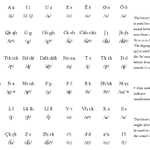
The reformed Rômi alphabet for the #Konkani language-
1
32
941
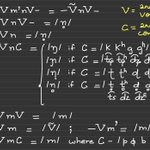
Forgot to add the case of -Vnv or -Vnv-. In this case the n always represents the nasalization of the previous vowel V.
36
Word for "milk" 🥛 in European Languages
40
36
58
571
132,045
Śaśāṅkaḥ | 𐌂𐌄𐌔𐌀𐌖𐌍𐌂𐌖𐌔 🦜 retweeted
Still blows my mind someone at Google would of came up with the idea of Google Maps / Google Earth Then suggested that they drive down every road on the planet and take pictures of it And then they actually went and did it
309
2,875
177
75,260
1,468,508
Śaśāṅkaḥ | 𐌂𐌄𐌔𐌀𐌖𐌍𐌂𐌖𐌔 🦜 retweeted
In order to properly speak a foreign language you sort of have to do an impression of a native speaker. The reason why most anglos are so bad at languages is because they are too self-conscious to effectively do this
204
1,386
375
43,293
826,303
if you see this you should do it!!! Pronouns : he/him Height : 178 cm (5’10”) Shoe Size : 44/45 Zodiac : leo ♌️ Eye color : brown Smoke : no! Tattoos : no! Piercings : yes (both ears) Fav color : yellow Fav drink : coffee
if you see this you should do it!!! Pronouns : he/him Height : 180 cm Shoe Size : 41 Zodiac : scorpio Smoke : no! Tattoos : no! Piercings : no! Fav color : green Fav drink : tea / coffee / maybe pepsi max
1
11
529
Śaśāṅkaḥ | 𐌂𐌄𐌔𐌀𐌖𐌍𐌂𐌖𐌔 🦜 retweeted
Ambassador might seem like a Latinate word, but it actually comes from Frankish, from Proto-Germanic, and even then it’s a loan from Proto-Celtic ambaxtos. Old English had a word from this root, ombiht, meaning ‘officer.’ If it had survived, it would be ‘*ambight’ today.
12
19
7
406
24,909
Śaśāṅkaḥ | 𐌂𐌄𐌔𐌀𐌖𐌍𐌂𐌖𐌔 🦜 retweeted
A etymological diagram of the word 'Cow' in the Indo-European language family.
25
58
15
626
60,706