

expensive lifestyle isn’t a flex while living among the poor [email protected]
Joined February 2024
- Tweets6.3K
- Following2.5K
- Followers1.5K
- Likes8.7K


Do you know some Nigerians in the comments section aren’t happy about this?

We will ensure there is functional primary healthcare in every ward in Nigeria. We have 8,809 wards, but we have promised Nigeria 10,000 primary healthcare centers. We plan to build 40,000 primary school blocks.
- Peter Obi
2
1
212
Eboghome retweeted

We will ensure there is functional primary healthcare in every ward in Nigeria. We have 8,809 wards, but we have promised Nigeria 10,000 primary healthcare centers. We plan to build 40,000 primary school blocks.
- Peter Obi
Eboghome retweeted
Our Federal, State, and Local Governments must work together. Where roads fall under different levels of government, there should be proper coordination, clear responsibilities, and accountability for delivery.
Above all, every road project must be properly designed, transparently procured, adequately funded, professionally supervised, and subjected to independent quality control.
The experience we acquired in Anambra State provides practical evidence of how these principles can be applied. We connected communities, opened up rural areas, constructed bridges, improved urban transportation, and established an institutional framework for road maintenance.
What we did in Anambra was at the State level. As President, the responsibility will be national, but the principles of planning, prudent management, accountability, and measurable results will remain the same. -PO
Eboghome retweeted
NIGERIANS, GO AND VERIFY (5)
CONNECTING COMMUNITIES, UNLOCKING PROSPERITY: OUR ROAD INFRASTRUCTURE RECORD
Peter Obi
Another critical foundation of development is infrastructure, particularly road construction and maintenance.
Infrastructure is not just about constructing roads, bridges, and buildings. It is about connecting people, opening up economic opportunities, reducing poverty, and enhancing the well-being of ordinary citizens. A road that connects a farmer to a market, a patient to a hospital, a child to a school, or a manufacturer to a distribution centre is an investment in economic and human development.
This thinking informed our approach under the Anambra Integrated Development Strategy (ANIDS). We set out to connect all 177 communities in the State with motorable roads, paying particular attention to rural communities that had suffered years of neglect. Our objective was to build an interconnected road network that served the entire State, rather than concentrate projects in major cities or politically important locations.
I. The Road Revolution: Over 900 Kilometres of Road Projects
Between March 2006 and March 2014, during my two-term tenure in office, my administration asphalted over 900 kilometers of roads. These projects were deliberately distributed across the three senatorial zones of Anambra State to connect communities, facilitate commerce, and enhance transportation.
I acknowledge that Dr. Chris Ngige started the road revolution in Anambra State, and I commend the efforts his administration made in initiating several road projects. When we assumed office in 2006, we recognised the importance of continuing worthwhile projects rather than abandoning them simply because they had been initiated by a previous administration.
Among the roads we inherited from Ngige and completed were the Owerri–Ezukala–Umunze–Umuchu–Amesi–Uga–Igboukwu Road, where his administration stopped around Umuchu and we continued through Amesi, Uga, and onward to Igboukwu; the Iseke–Orsumoghu–Ukpor–Utu–Nnewi–Awka-Etiti Road, where his administration stopped at Ukpor and we continued towards Awka-Etiti; and the Ideani-Otuocha where work stopped around Awkuzu before our administration continued the project from Nteje to Otuocha.
There were also roads, such as Mmili John and Nkwelle Ezunaka bypass, which had been awarded before we took over, but on which no payment had been made by the time we assumed office. We took over these projects, assessed their status, and proceeded with the work. This was our approach to continuity in governance: acknowledging what had been started, distinguishing between projects merely awarded and those on which work and payment had actually commenced, and ensuring that important infrastructure projects were carried forward.
Some of the major roads and corridors included Amansea–Ebenebe Road; Aguleri–Umueze Anam–Mmiata Road; Nnewi–Ozubulu–Okija Road; and the Old Onitsha–Awka Road.
Other important projects included:
Awka and its Environs: Zik’s Avenue, Awka; Adazi-Nnukwu–Obeledu–Neni Road; 33 Junction–Nwafor Orizu College of Education Road; roads within the Awka Government Reserved Area (GRA); and the Old Nkpor–Amawbia Road.
Nnewi and Surrounding Communities: Nnobi–Nnewi Road; roads within Nnewi town; Akwaeze–Oraeri–Igboukwu Road; and Ekwulobia–Nkpologwu–Akpo–Achina–Umuchu Road.
Onitsha and its Environs: Bridge Head–Umunya Road; over 30 roads in other parts of Onitsha; more than 25 roads within the Onitsha GRA; over 20 stone-based roads within Harbour Industrial Estate, Onitsha; and the Nkwele Ezunaka Bypass.
Other Communities and Strategic Corridors: Awgbu–Amaokpala Road, with the Odor Bridge; Aguluezechukwu–Ogboji–Ajalli Road; Awkuzu–Igbariam Road, passing through the university; Owerri–Ezukala–Umuchukwu Road; Ugwuoba–Obosi Road; and Lilu Road.

Eboghome retweeted
Beyond the Chukwuemeka Odumegwu Ojukwu University Teaching Hospital, we, therefore, invested in medical training institutions and professional development.
By the time we left office in 2014, more than 12 health institutions, including two hospitals, had secured accreditation for their courses and programmes. This represented significant progress from the situation in 2006 when Anambra had no duly accredited health institution, according to records of the period.
We supported the development of schools of nursing, midwifery, and health technology, providing infrastructure, equipment, learning facilities, and other requirements for accreditation.
We also supported the training and specialised capacity development of healthcare workers, recognising that the quality of medical services ultimately depends on the competence and dedication of the people delivering them.
The Results of a Deliberate Policy
These interventions were not isolated projects. They were part of a deliberate effort to create a healthcare system in which primary healthcare centres, general hospitals, teaching hospitals, and mission institutions complemented one another.
We invested in rural healthcare, maternal and child services, immunisation, emergency response, specialist treatment, mental healthcare, disease prevention and control, medical education, and institutional accreditation.
Our success in the Bill & Melinda Gates Foundation immunisation competition was one external recognition of the work being done. More importantly, the development of accredited institutions, the establishment of a teaching hospital, the construction of maternal and child care centres, and the rehabilitation of hospitals provided a foundation for sustained improvements in healthcare delivery.
We also restored the annual Grant-in-Aid to government-owned and mission hospitals across Anambra State. This grant became a regular annual intervention, sustained every year until we left office in 2014. We recognised the historic contribution of missionary hospitals to healthcare delivery in Anambra and believed that government should support institutions that serve the public, irrespective of their ownership.
We did not achieve everything that needed to be done, but we demonstrated what could be accomplished through planning, partnerships, accountability, and the purposeful deployment of public resources.
Taking the Anambra Experience to Nigeria
My commitment to healthcare did not end when I left office as Governor. I have continued to support hospitals, medical institutions, and various other healthcare initiatives across the country as a private citizen.
As President, I will bring the same energy, commitment, and political will to the national healthcare system. We must move away from a situation where Nigerians are compelled to travel abroad for medical treatment that should be available in their own country.
Our primary healthcare centres must function, general hospitals must be properly equipped, and teaching hospitals must have the facilities and personnel required to provide specialist care and train medical professionals.
All agencies responsible for healthcare must perform their statutory duties effectively and be held accountable. Public funds allocated to healthcare must be transparently managed, and Nigerians must be able to see what those resources have achieved.
We must also recognise that government cannot provide all healthcare services alone. Mission hospitals, private hospitals, and other credible institutions must be encouraged and supported because they all contribute to the health of our people.
Our approach will therefore be based on accessible primary healthcare, functional hospitals, adequate medical personnel, preventive medicine, effective emergency services, medical research, and strong partnerships with institutions already serving our communities.

Eboghome retweeted
The experience we acquired in Anambra State, as well as the lessons we observed elsewhere, provides a practical foundation for this national ambition. What we did in a state can be adapted and expanded to serve a country of over 200 million people. The scale is different, but the principles of planning, prudent management, accountability and measurable results remain the same.
In the next instalment, Go and Verify (5), I will discuss our efforts in the road sector. -PO
Eboghome retweeted
NIGERIANS, GO AND VERIFY (4)
Building a Healthy Nation: Our Health Sector Record in Anambra
Peter Obi
In the previous instalment of this series, I discussed our investments in education and explained why we considered human capital development central to the progress of Anambra State. Another sector that received considerable attention under our administration was healthcare. We understood that education gives people the tools to build their future, while good healthcare enables them to live healthy and productive lives.
When we assumed office in 2006, the healthcare system in Anambra faced serious challenges. Our health institutions required rehabilitation, medical equipment was inadequate, many communities lacked accessible primary healthcare facilities, and several medical training institutions had not secured accreditation. We therefore decided to approach healthcare as a comprehensive development priority, rather than concentrate resources on a few prominent hospitals.
Under our Anambra Integrated Development Strategy (ANIDS), we invested simultaneously in primary, secondary, and tertiary healthcare, medical training, maternal and child health, medical equipment, and partnerships with religious and private institutions.
Our approach was simple: healthcare should be accessible to people wherever they live, and the quality of treatment they receive should not depend on their status or whether they live in a city or a rural community.
Building a Teaching Hospital and College of Medicine
One of our most significant achievements was the establishment of the Chukwuemeka Odumegwu Ojukwu University Teaching Hospital at Awka.
We initiated, constructed, equipped, and secured accreditation for the institution, building it virtually from scratch. When I discovered that the state university was admitting medical students without having a teaching hospital through which they could complete their training, possibly with the intention of assigning them elsewhere, I considered the situation unacceptable. We therefore embarked on the construction of a modern teaching hospital to address this deficiency.
We constructed more than 25 buildings and provided facilities for the College of Medicine, laboratories, pathology, accident and emergency services, pediatrics, male and female wards, special wards, consultant clinics, and other essential departments.
We also provided vehicles, including ambulances and staff buses, to support the hospital and the College of Medicine as part of the accreditation requirements.
The objective was not merely to build another hospital but to establish an institution capable of providing specialist healthcare while training the next generation of Nigerian medical doctors.
Rehabilitating General Hospitals
We also recognized that a teaching hospital alone could not meet the healthcare needs of the population. General hospitals had to function effectively because they provide the essential link between primary healthcare and specialist treatment.
We rehabilitated and resuscitated 15 general hospitals across the three senatorial zones of Anambra State. We undertook substantial improvements in their buildings, wards, equipment, and general facilities.
In 2013, we provided ₦400 million for the ongoing renovation of 11 selected general hospitals, alongside other healthcare interventions.
Our intention was to ensure that people did not have to travel unnecessarily long distances to obtain basic secondary medical care.
Taking Primary Healthcare to the Communities
We believed that the best healthcare system is one that prevents illnesses and treats people early, rather than one that waits until minor health problems become emergencies.
That informed our extensive investment in primary healthcare. We built over 120 primary healthcare centers across communities in the 177 autonomous communities of Anambra State and rehabilitated existing facilities.


Eboghome retweeted

Yesterday, @inecnigeria said ward collation results can’t go on IReV because the feature hasn’t been built or tested, and that it would take a while.
We disagree.
It’s not rocket science, so we built it. In one evening. On IReV’s own data.
Left: IReV today.
Right: IReV with Form EC8B. 🧵👇


Eboghome retweeted
International Engagements to Strengthen Nigeria’s Democracy Continue.
Yesterday, November 17, the second day of our engagements on Capitol Hill in Washington, D.C., we visited the United States Senate and met with some senators, including Senator James Lankford, who kindly invited me over to his office.
I am deeply grateful to Senator Lankford for his warm reception, generous time, and meaningful exchange of views on strengthening democratic institutions, fostering peace, and promoting our shared values.
Our conversations underscored the importance of international collaboration, effective governance, credible democratic processes, and the security and well-being of all Nigerians.
These engagements offer a further opportunity to deepen relationships and advance our shared vision of a peaceful, united, and prosperous Nigeria.
Our commitment to building a nation that serves every Nigerian remains steadfast.
A New Nigeria Is POssible! -PO


Eboghome retweeted
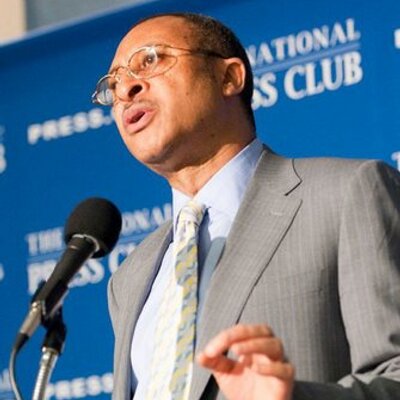
Those who declared Peter Obi an insignificant contender now spend their days speaking of him. In politics, there is no greater admission of an opponent’s strength than the inability to ignore him. They may deny his influence, but their actions betray their words. Remember, an army does not constantly study an enemy it considers harmless. The attention they give him is itself a confession of the threat they believe he represents to their corrupt foundation.
Eboghome retweeted

I spent 7 months on this piece.. use 1sec of Ur time to like and repost 😭 – at Jos, Nigeria

Eboghome retweeted
CLARIFICATION: MY MEETING WITH US CONGRESSIONAL LEADERS WAS NOT AN ENDORSEMENT-SEEKING MISSION
I wish to address the inaccurate interpretation presented in certain media reports concerning my recent engagements with members of the United States Congress in Washington, DC.
As I expressly noted in my remarks, my visit to the United States was not intended to secure an endorsement, and I did not characterise my meetings as endorsements of my political aspirations by the US Congress or any of its members.
The primary purpose of the visit was to engage with congressional leaders and other influential American stakeholders, exchange perspectives, and discuss matters related to Nigeria’s development, the welfare of our citizens and, most importantly, the consolidation of our democracy.
I am especially concerned with strengthening democratic institutions, advancing accountability, and ensuring that Nigeria’s electoral process produces elections that are free, fair, transparent and credible. These matters should concern every Nigerian who is committed to our country’s future.
I consider engagements of this kind valuable, and I encourage other Nigerian political leaders, especially those seeking public office, to pursue similar discussions with international stakeholders. Our democracy can be strengthened through constructive dialogue, the exchange of experiences and a shared commitment to credible elections.
Nigeria’s democratic future is far too consequential to be distorted by sensational headlines or inaccurate interpretations. My mission centred on Nigeria, its people and the future of our democracy—not on endorsing any individual. -PO
SOKOTO 💔🕊️
President Tinubu’s attendance now covers 20 states on the APC presidential rally schedule.
Past dates:
1. 24 Oct 2026 — Kaduna
2. 6 Nov 2026 — Uyo
3. 7 Nov 2026 — Port Harcourt
4. 10 Nov 2026 — Dutse
5. 14 Nov 2026 — Jos
6. 17 Nov 2026 — Birnin Kebbi
Remaining:
7. 21 Nov 2026 — Ibadan
8. 25 Nov 2026 — Maiduguri
9. 28 Nov 2026 — Enugu
10. 2 Dec 2026 — Katsina
11. 17 Dec 2026 — Kano
12. 19 Dec 2026 — Jalingo
13. 21 Dec 2026 — Abuja
14. 28 Dec 2026 — Gusau
15. 30 Dec 2026 — Owerri
16. 4 Jan 2027 — Yola
17. 5 Jan 2027 — Sokoto
18. 8 Jan 2027 — Ilorin
19. 11 Jan 2027 — Asaba
20. 13 Jan 2027 — Lagos

31
Eboghome retweeted

PRESS STATEMENT:
HOW TINUBU’S ADMINISTRATION PRESIDES OVER AN OPAQUE ₦11.2 TRILLION PIPELINE SECURITY BILL THAT DOUBLES THE ENTIRE MILITARY BUDGET WHILE STARVING OUR ARMED FORCES AND INSECURITY CONTINUES TO ESCALATE
The Nigeria Democratic Congress (NDC) National Campaign Council is deeply concerned about the audited financial disclosures from the Nigerian National Petroleum Company Limited (NNPCL), which reveals an opaque balance sheet of ₦11.2 trillion in "other receivables from the Federation," tied to energy security costs and unverified off-budget deductions.
We note that this ₦11.2 trillion claim is more than double the entire ₦4.91 trillion budgeted for all defence and security agencies in 2025, and over triple the ₦3.10 trillion allocated directly to the Ministry of Defence for the Army, Navy, and Air Force combined.
While insecurity continues to escalate across Nigeria, with citizens abducted, slaughtered on farmlands, and forced to pay crippling ransoms, this administration presides over books showing trillions tied to protecting oil conduits, even as our Armed Forces remain starved of modern weaponry.
Strip away the accounting jargon, and this ₦11.2 trillion expenditure looks like nothing more than a massive political patronage slush fund disguised as "energy security." Are patronage pay outs to political allies now worth more than Nigerian lives?
Securing our pipelines is vital, yet modern energy producers protect assets at a fraction of this cost using fiber-optic sensors, surveillance drones, satellite radar, and transparent Host Community Trusts, while equipping their national military to respond rapidly. Instead of 21st-century technology and empowering our Armed Forces, where 75.9 percent of the 2026 core ₦3.15 trillion budget goes to personnel and only 14.7 percent (₦464 billion) to capital weapons, after just 7 percent of the 2025 Defence Capital Budget was released, this government chose opaque patronage.
The Nigeria Democratic Congress demands the following: an immediate forensic audit of the ₦11.2 trillion NNPCL energy security balance, exposing every kobo paid to private contractors versus legacy deductions. Second: full disclosure of military releases for capital equipment and troop welfare across 2025 and 2026. Third: an end to off-budget deductions, ensuring all oil revenues enter the Federation Account for National Assembly appropriation.
A government that prioritizes opaque political patronage over human life while insecurity continues to escalate has lost its moral legitimacy. The NDC urges Nigerians to vote for the Obi/Kwankwaso ticket to dismantle the criminal system in Nigeria. The Obi/Kwankwaso ticket believes that Nigeria must work for all, and not a few.
Signed:
Dr. Chiogo Constance Ikokwu
Spokesperson, NDC National Campaign Council
Eboghome retweeted
At Nwafor Orizu College of Education, Nsugbe, we constructed classrooms and lecture halls, provided staff office complexes, renovated the library, constructed an auditorium, and improved instructional facilities. We also provided boreholes, generators, and security facilities, facilitated programme accreditation, and employed additional academic and non-academic staff.
The College of Agriculture, Mgbakwu, received considerable attention, with approximately 15 buildings constructed during our administration.
We also built the Chukwuemeka Odumegwu Ojukwu Teaching Hospital from scratch, constructing over 25 buildings. In addition, we supported major nursing and health institutions across the state. St Charles Borromeo Hospital and Iyi-Enu Hospital, for instance, have since become teaching hospitals.
Supporting Institutions Beyond Government Ownership
We did not restrict our interventions to government-owned institutions. We believed that every institution educating our people deserved encouragement, irrespective of ownership.
Our administration, therefore, extended financial assistance to Madonna University, Paul University, Tansian University, and Peter University. These institutions received grants of about ₦100 million each at the time, in addition to vehicle support.
We also introduced a policy of rewarding academic excellence by giving every Anambra indigene who graduated with a First Class degree ₦1 million. Over 500 persons benefited. I am delighted by the text messages and posts in which some of the beneficiaries still recall how the money helped them become what they are today. My friend, Dr Uchenna Nze, would always tell me how the money facilitated his further education. He is now the Head of Department of Mass Communication at Tansian University. We wanted our young people to understand that intellectual achievement mattered and deserved recognition.
The Results and Our National Commitment
By the time we left office in 2014, the results of these investments were becoming evident. Anambra had moved from the lower positions in external and national examinations, including WASCE, GCE, NECO, and JAMB, to the topmost positions. Till today, various schools in Anambra State have continued to win awards both locally and internationally. This was the outcome of sustained investments in infrastructure, teachers, technology, and effective supervision.
Such awards and recognitions are encouraging indications of what sustained investment in education, strong institutions, and a culture of academic excellence can produce over time. When we invested in schools, teachers, technology, and learning facilities, our intention was not to produce temporary achievements that would disappear with a change of government. We wanted to establish a foundation upon which successive administrations could build. Seeing Anambra schools continue to excel gives me great satisfaction and reinforces my conviction that investments in education are among the most enduring legacies any government can leave behind.
My commitment to education did not end when I left office. I have continued to support schools and educational institutions across Nigeria as a private citizen through donations, classroom construction, learning materials, and other interventions.
As President, I will bring the same energy, commitment, and political will to bear on education nationally. All agencies responsible for education must function effectively and be held accountable. Taxes and other revenues collected specifically for educational purposes must be properly accounted for. Nigerians must know how much is collected, where the money goes, and what it is used for.
Eboghome retweeted
Endless Human Bloodletting and Failure of Intelligence
I am deeply saddened and troubled by reports that at least nine people were killed in the Zuwagal community, Mangu Local Government Area of Plateau State, in yet another assault on innocent Nigerians. These deaths have occurred amid a deeply concerning pattern of recurring attacks, displacement and the destruction of communities throughout the country.
Data from the past two weeks are alarming. OpenWatch's security incident records show 261 reported deaths across Nigeria between 2 and 15 November 2026, including 24 in Plateau during the first week and 15 during the second. Plateau also reported additional attacks on 16 November.
These victims are not merely numbers. They were fathers, mothers, children and breadwinners whose lives were abruptly ended, leaving families and entire communities to mourn.
Why are communities being threatened without receiving adequate protection? Why are intelligence reports failing to result in preventive action? How many more innocent Nigerians must lose their lives before decisive measures are implemented?
I call on the Government and security agencies to immediately reinforce security operations in vulnerable communities; thoroughly investigate these attacks and ensure that both the perpetrators and those who support them face justice; establish reliable early-warning and rapid-response systems; deliver humanitarian aid and rehabilitation services to displaced families; and release transparent, accurate casualty figures for all affected communities.
We must also confront the root causes of insecurity by strengthening accountable institutions, intelligence gathering, justice, education, economic opportunity and meaningful engagement with communities.
Every Nigerian life is valuable, regardless of ethnicity, religion or political affiliation. The right to life must never be subject to negotiation.
My deepest condolences go to the bereaved families and the people of Plateau State. May God comfort them and bless our country with peace.
Nigeria must do more than mourn those who have died. We must protect those who are still living. -PO
Eboghome retweeted
NIGERIANS, GO AND VERIFY (3)
Building the Future Through Education
Peter Obi
In the first two instalments of this series, I explained how we approached the task of building strong institutions and laying a solid foundation for the development of Anambra State. One of the most important institutions we invested in was education.
For me, education was not a political game or a convenient political promise. Even before I ventured into politics, I had always regarded it as the foundation of meaningful development and the most enduring investment any government can make in its people. I believe that the future of any society depends largely on the quality of its educational institutions, teachers, learning environment, and opportunities available to its young people.
This conviction informed our decision to invest across the entire educational spectrum, from primary schools to universities, technical institutions, and adult education.
Basic and Secondary Education
One of our first major decisions was to return mission and privately owned primary and secondary schools to their original proprietors while retaining government support. We also provided billions of naira to assist in rehabilitating the returned schools, restoring the partnership between government and religious institutions that had historically contributed to educational excellence.
This policy attracted international attention. Professor Paul Collier, the Oxford economist and World Bank consultant, led a World Bank-commissioned study of Anambra’s educational transformation. His team examined our decision to return schools to their original missionary owners while retaining government responsibility for funding teachers’ salaries and supporting infrastructure. The team described the partnership model as a revolution in public service delivery and recommended it as a model that could be replicated by other Nigerian states and developing countries. We believed then, as we do now, that government does not necessarily have to own every institution to discharge its responsibility effectively. What matters is ensuring that every child has access to quality education.
For those who claim that we built no schools, I invite them to verify our records. We constructed five-classroom blocks in virtually all of the 177 communities in Anambra State, one of the most extensive community-based school infrastructure programmes undertaken by any state government. The town union chairmen and community leaders of that period can attest to this.
We also renovated hundreds of dilapidated schools, including some where trees had literally grown through abandoned buildings. Comprehensive Secondary School, Onitsha, and Oraukwu Grammar School are examples.
Beyond infrastructure, we distributed approximately 40,000 computers to schools, including more than 22,500 HP laptops. We equipped secondary schools with Microsoft Academies and connected schools across the state to the internet. We supplied generators, established and stocked libraries, revived school sporting activities, and installed boreholes in over 300 schools, including all girls’ schools. We also provided funding to support sporting activities in all our secondary schools.
These technology investments attracted remarkable international recognition. Mr Fabrice Campoy, Managing Director of the Personal Systems Group at HP Inc., described our procurement and distribution of over 22,500 HP laptops as the biggest project of its kind in the Middle East and Africa. Similarly, Mr Ken Spann, then Country Manager and Head of Microsoft Nigeria, described the establishment of Microsoft Academies in more than 500 Anambra secondary schools as the most extensive deployment of its kind in Africa at the time.