



Ndikũ 🇰🇪 retweeted

Apgar scores of 3, 4, 5 with potential cerebral palsies but the egotistical intern has showed those nasty nurses who’s boss.
Ebu tuambie ni hospitali gani uko bois tusitume watu wetu huko.

Ndikũ 🇰🇪 retweeted

Ram Altman is gonna hunt me for sport when he finds out every PC I own has a minimum of 128 GB of DDR4 and several are DDR5.


Ndikũ 🇰🇪 retweeted

Nigeria is top 10 in Arable land in the world.
Very fascinating.


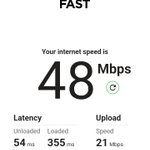
Let's talk "light speed" data propagation.
The speed of light in a conventional telecommunications optical cable is ~204,000,000m/s (68% or ⅔) the speed of light in a vacuum (299,792,458m/s).
1
162
Ndikũ 🇰🇪 retweeted
RIP, JICA cooperation in Kenya.

Jaindi Kisero
I have come across a letter from the National Treasury directing the state department of roads to immediately cancel all project-related commitments; including contracts procurement processes; consulting arrangements; and any other obligations on the multi billion Japanese funded Likoni Bridge project.
This development is a statement of the increasing political influence of Chinese contractors and the strong links with incumbent elites.
It is a big anti climax. First, the project has been running since 2019. Secondly- designs were done and consultants are already in place. The first tranche of the loan was disbursed. Advance payments flowed to consultants. A procurement competition was run to its conclusion. A winner emerged. And then — nothing. For nearly two years.
I am inclined to agree with a cynical opinion of an insider who has been following the shenanigans around the Likoni Bridge project for a long time who says ‘when they are unable to get a good cut or backhander on a project, they turn to the Chinese”.
For sometime now and to set the stage for cancellation of the deal with the Japanese; a new narrative was floated within government circles: that the project is too expensive and the financing model should be rethought. That Kenya could instead mobilise domestic resources—pension funds and institutional investors—through an infrastructure fund model. That a securitisation structure, possibly involving a Chinese contractor, could deliver the same project more cheaply.
Each argument is very controversial. Pension fund money carries market return expectations — a far higher cost of capital than 0.1 percent interest, the 12-year grace period, a 30-year repayment window, and an outright grant element worth Sh 6 billion which the Japanese had committed.
Yes, a securitisation transaction with a Chinese contractor may be an option. But it embeds financing costs inside the construction price, making it opaque and almost always more expensive in aggregate. Do we really want to hand back the Sh 6 billion grant element on the Japanese loan?
Then there is the diplomatic cost, which is being ignored. Whem the Jpanase foreign Affairs Minister, Mr Toshimitsu Mogei visited Kewnya in May,the Likoni brifdge wasa top agenda item. Japan helped author the Mombasa master plan. Japan is funding the ongoing rehabilitation of Mombasa Port. Japan designed the Dongo Kundu Special Economic Zone as the flagship of Kenya's entire SEZ programme — the first domino in a sequence intended to include Naivasha and Kisumu.
Cancel this credit, pivot to a Chinese deal, and we must look Tokyo in the eye and explain ourselves. We must be prepared for the consequences at the port, at Dongo Kundu, and in every future ODA conversation with an ally cultivated over decades — all to spare someone the inconvenience of a transparent procurement outcome they did not control.
Grand corruption does not always arrive with a smoking gun. Sometimes it arrives as a memo recommending delay. Sometimes it wears the language of fiscal prudence and alternative financing mechanisms. Sometimes it sits in a procurement committee and does absolutely nothing.


Ndikũ 🇰🇪 retweeted
Jaindi Kisero
I have come across a letter from the National Treasury directing the state department of roads to immediately cancel all project-related commitments; including contracts procurement processes; consulting arrangements; and any other obligations on the multi billion Japanese funded Likoni Bridge project.
This development is a statement of the increasing political influence of Chinese contractors and the strong links with incumbent elites.
It is a big anti climax. First, the project has been running since 2019. Secondly- designs were done and consultants are already in place. The first tranche of the loan was disbursed. Advance payments flowed to consultants. A procurement competition was run to its conclusion. A winner emerged. And then — nothing. For nearly two years.
I am inclined to agree with a cynical opinion of an insider who has been following the shenanigans around the Likoni Bridge project for a long time who says ‘when they are unable to get a good cut or backhander on a project, they turn to the Chinese”.
For sometime now and to set the stage for cancellation of the deal with the Japanese; a new narrative was floated within government circles: that the project is too expensive and the financing model should be rethought. That Kenya could instead mobilise domestic resources—pension funds and institutional investors—through an infrastructure fund model. That a securitisation structure, possibly involving a Chinese contractor, could deliver the same project more cheaply.
Each argument is very controversial. Pension fund money carries market return expectations — a far higher cost of capital than 0.1 percent interest, the 12-year grace period, a 30-year repayment window, and an outright grant element worth Sh 6 billion which the Japanese had committed.
Yes, a securitisation transaction with a Chinese contractor may be an option. But it embeds financing costs inside the construction price, making it opaque and almost always more expensive in aggregate. Do we really want to hand back the Sh 6 billion grant element on the Japanese loan?
Then there is the diplomatic cost, which is being ignored. Whem the Jpanase foreign Affairs Minister, Mr Toshimitsu Mogei visited Kewnya in May,the Likoni brifdge wasa top agenda item. Japan helped author the Mombasa master plan. Japan is funding the ongoing rehabilitation of Mombasa Port. Japan designed the Dongo Kundu Special Economic Zone as the flagship of Kenya's entire SEZ programme — the first domino in a sequence intended to include Naivasha and Kisumu.
Cancel this credit, pivot to a Chinese deal, and we must look Tokyo in the eye and explain ourselves. We must be prepared for the consequences at the port, at Dongo Kundu, and in every future ODA conversation with an ally cultivated over decades — all to spare someone the inconvenience of a transparent procurement outcome they did not control.
Grand corruption does not always arrive with a smoking gun. Sometimes it arrives as a memo recommending delay. Sometimes it wears the language of fiscal prudence and alternative financing mechanisms. Sometimes it sits in a procurement committee and does absolutely nothing.
Ndikũ 🇰🇪 retweeted

Jaindi Kisero
I have come across a letter from the National Treasury directing the state department of roads to immediately cancel all project-related commitments; including contracts procurement processes; consulting arrangements; and any other obligations on the multi billion Japanese funded Likoni Bridge project.
This development is a statement of the increasing political influence of Chinese contractors and the strong links with incumbent elites.
It is a big anti climax. First, the project has been running since 2019. Secondly- designs were done and consultants are already in place. The first tranche of the loan was disbursed. Advance payments flowed to consultants. A procurement competition was run to its conclusion. A winner emerged. And then — nothing. For nearly two years.
I am inclined to agree with a cynical opinion of an insider who has been following the shenanigans around the Likoni Bridge project for a long time who says ‘when they are unable to get a good cut or backhander on a project, they turn to the Chinese”.
For sometime now and to set the stage for cancellation of the deal with the Japanese; a new narrative was floated within government circles: that the project is too expensive and the financing model should be rethought. That Kenya could instead mobilise domestic resources—pension funds and institutional investors—through an infrastructure fund model. That a securitisation structure, possibly involving a Chinese contractor, could deliver the same project more cheaply.
Each argument is very controversial. Pension fund money carries market return expectations — a far higher cost of capital than 0.1 percent interest, the 12-year grace period, a 30-year repayment window, and an outright grant element worth Sh 6 billion which the Japanese had committed.
Yes, a securitisation transaction with a Chinese contractor may be an option. But it embeds financing costs inside the construction price, making it opaque and almost always more expensive in aggregate. Do we really want to hand back the Sh 6 billion grant element on the Japanese loan?
Then there is the diplomatic cost, which is being ignored. Whem the Jpanase foreign Affairs Minister, Mr Toshimitsu Mogei visited Kewnya in May,the Likoni brifdge wasa top agenda item. Japan helped author the Mombasa master plan. Japan is funding the ongoing rehabilitation of Mombasa Port. Japan designed the Dongo Kundu Special Economic Zone as the flagship of Kenya's entire SEZ programme — the first domino in a sequence intended to include Naivasha and Kisumu.
Cancel this credit, pivot to a Chinese deal, and we must look Tokyo in the eye and explain ourselves. We must be prepared for the consequences at the port, at Dongo Kundu, and in every future ODA conversation with an ally cultivated over decades — all to spare someone the inconvenience of a transparent procurement outcome they did not control.
Grand corruption does not always arrive with a smoking gun. Sometimes it arrives as a memo recommending delay. Sometimes it wears the language of fiscal prudence and alternative financing mechanisms. Sometimes it sits in a procurement committee and does absolutely nothing.

Ndikũ 🇰🇪 retweeted
Aye @DanOder0 @Askumo254 Karibieni kidogo as this guy is usually full of shit, do we have copper in Elgeyo Marakwet?

We recently started sourcing copper ore from Elgeyo Marakwet and Makûenî counties and cut importation costs.
As such, we have adjusted the prices of our copper products.
Copper bracelet.
Old price.
@ 800/=
New price
@ 600/=
Copper mug
Old price
@ 3,600/=
New price
@ 3,200/=
Copper cup/ tumbler
Old price
@ 2,400/=
New price
@ 2,100/=
Copper bottle
Old price
@ 6,000/=
New price
@ 5,400/=


