

NMMA Most Innovative Reporter of the year/Public Health Reporter of the year | HIV/AIDS+SRHR advocate | Health Editor Vanguard Newspaper | Great father &husband
- Tweets37.6K
- Following1.9K
- Followers1.9K
- Likes23.1K




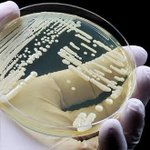





ALT A Tiny Dose of Bee Venom Showed a Powerful Effect Against Aggressive Breast Cancer Cells What if a substance known for causing pain could one day help fight one of the most difficult forms of cancer? Scientists in Australia discovered something remarkable while studying honeybee venom. The secret ingredient is **melittin**, a natural compound found in bee venom. In laboratory experiments, it damaged the outer membranes of aggressive breast cancer cells, including triple-negative and HER2-enriched cancer cells, within just 60 minutes. But that wasn't all. Within 20 minutes, melittin also disrupted chemical signals that help cancer cells grow and multiply. Researchers even found that melittin could enhance the effects of a chemotherapy drug in animal experiments. Could this tiny molecule inspire a new approach to fighting breast cancer?


ALT What if light and sound could help the brain fight Alzheimer’s disease? Scientists are studying an unusual approach that uses light and sound pulsing 40 times per second to stimulate gamma brain waves. Early research suggests this stimulation may activate the brain’s immune cells, helping them clear harmful protein buildup linked to Alzheimer’s. Human trials have also shown promising results, including potential benefits for brain health and memory. However, this remains an experimental approach, and larger studies are needed to confirm its effectiveness. A simple rhythm could hold an exciting clue to fighting one of the world's most challenging brain diseases.
ALT What if light and sound could help the brain fight Alzheimer’s disease? Scientists are studying an unusual approach that uses light and sound pulsing 40 times per second to stimulate gamma brain waves. Early research suggests this stimulation may activate the brain’s immune cells, helping them clear harmful protein buildup linked to Alzheimer’s. Human trials have also shown promising results, including potential benefits for brain health and memory. However, this remains an experimental approach, and larger studies are needed to confirm its effectiveness. A simple rhythm could hold an exciting clue to fighting one of the world's most challenging brain diseases.


ALT **TWO TWINS, TWO DIFFERENT FATHERS: A DNA TEST REVEALED AN EXTRAORDINARY SECRET!** They were born on the same day, from the same pregnancy, and looked like ordinary twins. But when DNA testing was done, doctors discovered something almost unbelievable. In September 2022, a 19-year-old woman in Brazil gave birth to twin boys. When their biological father was questioned, DNA tests revealed a remarkable surprise: **each twin had a different biological father!** How could this happen? The answer lies in an extremely rare biological phenomenon called *heteropaternal superfecundation*. Sometimes, a woman releases two eggs during the same menstrual cycle. If sperm from two different men fertilize those eggs, both babies can develop together as twins, even though they have different fathers.


ALT **Your Body Has Special Cells That Stop It From Attacking Itself! What if the secret to fighting autoimmune diseases was already hidden inside our immune system? Scientists discovered a special group of cells called **regulatory T cells (Tregs)**. Think of them as the body's peacekeepers. While other immune cells fight harmful invaders, Tregs help prevent the immune system from attacking healthy organs and tissues. This discovery, recognized with the **2025 Nobel Prize in Medicine**, could open new doors for treating diseases such as type 1 diabetes, rheumatoid arthritis and multiple sclerosis. Instead of simply suppressing the immune system, researchers hope to develop treatments that teach it to restore its natural balance. Could these tiny cells hold the key to future autoimmune therapies? Source: The Nobel Assembly at Karolinska Institutet. (2025, October 6). *The Nobel Prize in Physiology or Medicine 2025.*


