

NMMA Most Innovative Reporter of the year/Public Health Reporter of the year | HIV/AIDS+SRHR advocate | Health Editor Vanguard Newspaper | Great father &husband
- Tweets37.6K
- Following1.9K
- Followers1.9K
- Likes23.1K




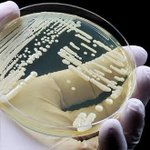





ALT A Tiny Dose of Bee Venom Showed a Powerful Effect Against Aggressive Breast Cancer Cells What if a substance known for causing pain could one day help fight one of the most difficult forms of cancer? Scientists in Australia discovered something remarkable while studying honeybee venom. The secret ingredient is **melittin**, a natural compound found in bee venom. In laboratory experiments, it damaged the outer membranes of aggressive breast cancer cells, including triple-negative and HER2-enriched cancer cells, within just 60 minutes. But that wasn't all. Within 20 minutes, melittin also disrupted chemical signals that help cancer cells grow and multiply. Researchers even found that melittin could enhance the effects of a chemotherapy drug in animal experiments. Could this tiny molecule inspire a new approach to fighting breast cancer?


ALT What if light and sound could help the brain fight Alzheimer’s disease? Scientists are studying an unusual approach that uses light and sound pulsing 40 times per second to stimulate gamma brain waves. Early research suggests this stimulation may activate the brain’s immune cells, helping them clear harmful protein buildup linked to Alzheimer’s. Human trials have also shown promising results, including potential benefits for brain health and memory. However, this remains an experimental approach, and larger studies are needed to confirm its effectiveness. A simple rhythm could hold an exciting clue to fighting one of the world's most challenging brain diseases.


ALT *Could a Protein From Algae Help Restore Lost Vision? Scientists have developed an experimental gene therapy that could help people with certain forms of blindness see again. The technique, called optogenetics, uses a light-sensitive protein originally found in algae to make surviving retinal cells respond to light, even when the eye's natural light-sensing cells are damaged. Patients wear special camera-equipped goggles that send light signals to the retina. In October 2026, a clinical study involving 10 patients reported promising results. Seven became more sensitive to light, and some learned to detect and locate objects. The treatment doesn't restore normal vision, but it offers new hope for people with advanced retinal diseases. **Source:** *Optogenetic Therapy for Restoring Aspects of Visual Function.* (2026). New England Journal of Medicine



ALT Black and white portrait of Marie Skłodowska Curie.