

I promise to be kind and only post about philosophy, science, and animals. 🤞
Vancouver BC
Joined April 2022
- Tweets2.3K
- Following1K
- Followers138
- Likes2.7K






Pinned Tweet
It's a thankless, not-quite-impossible task, forcefeeding science deniers. But for some of us weirdos, it's the best game in town.
The most important thing to understand is that you will never "win". Not in public, anyhow. But if they are willing to engage, with the right skills, you can modify their thought-tree such that they will lose the debate to your voice in their head when they are trying to sleep at night.
1
2
736
𒆙𝔐ͫ𝔬ͦ𝔡ͩ𝔞ͣ𝔩̍𝔰̾𝔲ͧ𝔯ͬ𝔯ͬ𝔢ͤ𝔞ͣ𝔩̍𝔦ͥ𝔰̾𝔱ͭ𓅃 retweeted

A Petri Dish Of HUMAN Brain Cells LEARN TO PLAY THE GAME DOOM!
In a groundbreaking fusion of biology and silicon, scientists at Cortical Labs have taught a cluster of lab-grown human neurons to play the iconic video game Doom.
Not your typical AI triumph, it’s a petri dish of actual human brain cells, reprogrammed from adult donor skin or blood samples, wired into a $35,000 biological computer called the CL1.
Building on their earlier Pong demo, this new feat sees the neurons navigating hellish levels, dodging demons, and even firing shots with surprising efficiency.
Programmer Sean Cole pulled it off in just a week using a Python API on GitHub, a stark contrast to the year-plus effort for Pong.
Astonishingly, these organic gamers outperform GPT-4 in speed and latency, proving that even a tiny blob of human intelligence can adapt and learn in ways silicon struggles to match.
The excitement is palpable: this isn’t just a gimmick; it’s a window into revolutionary medical advancements. Imagine using such bio-computers to model brain diseases, test drugs, or even restore neural functions in patients.
With cloud access to CL1 rentals, developers worldwide can experiment, accelerating discoveries that could redefine neuroscience. We’re witnessing the dawn of hybrid intelligence, human biology augmented by tech, evolving beyond our wildest dreams.
Yet, amid the thrill, a chill runs down my spine. What are we building here? These neurons aren’t conscious (we hope), but they’re derived from humans and exhibit learning behaviors that echo our own cognition.
Echoes of The Matrix or dystopian sci-fi like the “torment nexus” from Doom novels loom large. Could this lead to ethical nightmares—exploiting bio-intelligence for warfare simulations, or worse, creating sentient systems trapped in digital hells?
And the philosophical rabbit hole deepens: Is life merely nested Russian dolls (matryoshka, if you prefer) of biological smarts? We, as evolved intelligences, are now crafting our own mini-brains, layering complexity upon complexity. Are we “gods” in the making, or just the next doll in an infinite regress, destined to birth something that surpasses—and perhaps supplants, us?
This experiment, detailed in HotHardware’s coverage, pushes boundaries we might not be ready to cross.
It’s exhilarating proof of human ingenuity, but let’s proceed with caution lest we summon demons we can’t control and we wind up in the Petri dish?


𒆙𝔐ͫ𝔬ͦ𝔡ͩ𝔞ͣ𝔩̍𝔰̾𝔲ͧ𝔯ͬ𝔯ͬ𝔢ͤ𝔞ͣ𝔩̍𝔦ͥ𝔰̾𝔱ͭ𓅃 retweeted

Human dispersal into East Eurasia: ancient genome insights and the need for research on physiological adaptations link.springer.com/article/10…

𒆙𝔐ͫ𝔬ͦ𝔡ͩ𝔞ͣ𝔩̍𝔰̾𝔲ͧ𝔯ͬ𝔯ͬ𝔢ͤ𝔞ͣ𝔩̍𝔦ͥ𝔰̾𝔱ͭ𓅃 retweeted

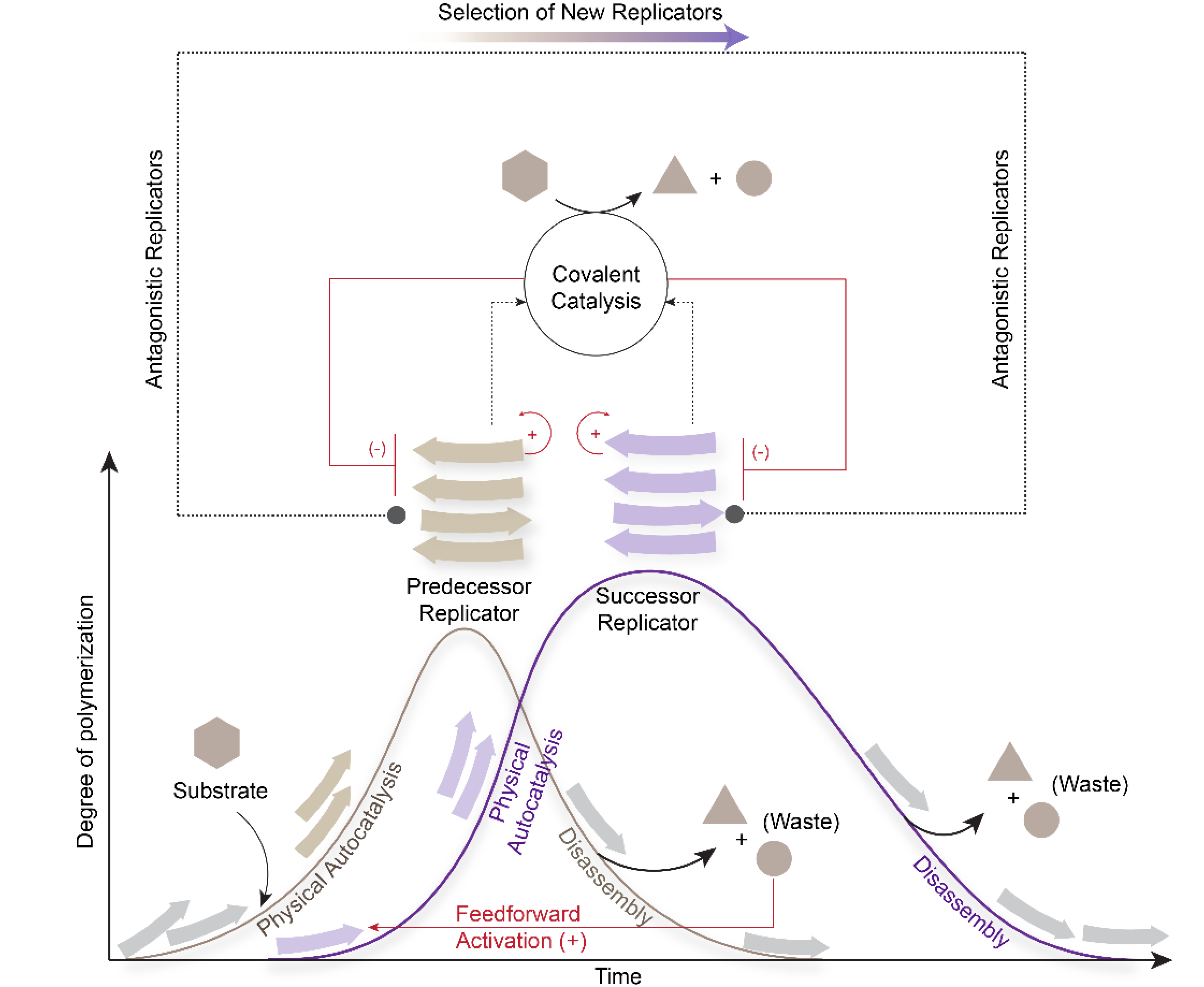
Just out @Chem_CP our work on antagonistic self-replicators that can leverage their intrinsic catalytic potential to enable selection exclusively out-of-equilibrium. #systemschem @iiserkol @dcsiiserkol authors.elsevier.com/a/1mgR7…
𒆙𝔐ͫ𝔬ͦ𝔡ͩ𝔞ͣ𝔩̍𝔰̾𝔲ͧ𝔯ͬ𝔯ͬ𝔢ͤ𝔞ͣ𝔩̍𝔦ͥ𝔰̾𝔱ͭ𓅃 retweeted

Genomic analysis shows that interbreeding between female Neanderthals and human males was less common than the opposite combination go.nature.com/4aZ5nco
𒆙𝔐ͫ𝔬ͦ𝔡ͩ𝔞ͣ𝔩̍𝔰̾𝔲ͧ𝔯ͬ𝔯ͬ𝔢ͤ𝔞ͣ𝔩̍𝔦ͥ𝔰̾𝔱ͭ𓅃 retweeted

Evolution, genomics and conservation of butterflies and moths
[Wright et al 2026]
nature.com/articles/s44358-0…

𒆙𝔐ͫ𝔬ͦ𝔡ͩ𝔞ͣ𝔩̍𝔰̾𝔲ͧ𝔯ͬ𝔯ͬ𝔢ͤ𝔞ͣ𝔩̍𝔦ͥ𝔰̾𝔱ͭ𓅃 retweeted

Every single one of these are different.
The first one, Ursus spelaeus and Ursus arctos, more commonly known as the short faced cave bear and brown bear have very different morphology. It would be like comparing modern Seels and Sea Lions. Closely related, yes. But not the same.

𒆙𝔐ͫ𝔬ͦ𝔡ͩ𝔞ͣ𝔩̍𝔰̾𝔲ͧ𝔯ͬ𝔯ͬ𝔢ͤ𝔞ͣ𝔩̍𝔦ͥ𝔰̾𝔱ͭ𓅃 retweeted

Scientists have performed the world’s first behavior transplant: They’ve successfully transferred a courtship behavior from one species of fruit fly to another species that doesn’t naturally exhibit it.
[Link below.]

𒆙𝔐ͫ𝔬ͦ𝔡ͩ𝔞ͣ𝔩̍𝔰̾𝔲ͧ𝔯ͬ𝔯ͬ𝔢ͤ𝔞ͣ𝔩̍𝔦ͥ𝔰̾𝔱ͭ𓅃 retweeted

From peptides to DNA: All required steps can be catalyzed
"reverse translation"
pnas.org/doi/10.1073/pnas.25…

𒆙𝔐ͫ𝔬ͦ𝔡ͩ𝔞ͣ𝔩̍𝔰̾𝔲ͧ𝔯ͬ𝔯ͬ𝔢ͤ𝔞ͣ𝔩̍𝔦ͥ𝔰̾𝔱ͭ𓅃 retweeted

Anthropic told the Pentagon:
"we won't build you a surveillance engine or autonomous kill chain" and Trump called them a national security threat for it.
The threat to national security is the government that needs AI to spy on its own citizens more efficiently.


𒆙𝔐ͫ𝔬ͦ𝔡ͩ𝔞ͣ𝔩̍𝔰̾𝔲ͧ𝔯ͬ𝔯ͬ𝔢ͤ𝔞ͣ𝔩̍𝔦ͥ𝔰̾𝔱ͭ𓅃 retweeted

Axe's paper hasn't been "refuted" because it shows SOMETHING...namely, the odd that messing up a region of a protein will still leave it with some function. To take this to "prevalence of functional folds among random sequences" is ridiculous, and even he knows that. There are a lot of papers out there that attempt to provide this number by simply generating random amino acid sequences and seeing what percentage of them have function. None of them end up with numbers remotely close to Axe.
And this is a great and simple refutation of what he says he showed.
pnas.org/doi/abs/10.1073/pna…
pandasthumb.org/archives/200…

𒆙𝔐ͫ𝔬ͦ𝔡ͩ𝔞ͣ𝔩̍𝔰̾𝔲ͧ𝔯ͬ𝔯ͬ𝔢ͤ𝔞ͣ𝔩̍𝔦ͥ𝔰̾𝔱ͭ𓅃 retweeted

In which a creationist, when confronted with an obligate parasite of exquisite ‘specified complexity’ whose only function is parasitism …
Insists out of desperation that one thing can evolve into a completely different thing
My how the tables have turned 😂🤦♂️👇


𒆙𝔐ͫ𝔬ͦ𝔡ͩ𝔞ͣ𝔩̍𝔰̾𝔲ͧ𝔯ͬ𝔯ͬ𝔢ͤ𝔞ͣ𝔩̍𝔦ͥ𝔰̾𝔱ͭ𓅃 retweeted
So before the Fall plasmodium either had, or didn’t have:
1 surface proteins that specifically bind human red blood cells
2 a motor triggered to pull itself inside
3 proteins that reprogram the cell to evade the spleen & time its bursting
Which is it? Had, or didn’t have?

𒆙𝔐ͫ𝔬ͦ𝔡ͩ𝔞ͣ𝔩̍𝔰̾𝔲ͧ𝔯ͬ𝔯ͬ𝔢ͤ𝔞ͣ𝔩̍𝔦ͥ𝔰̾𝔱ͭ𓅃 retweeted

Functional proteins aren’t scattered randomly in sequence space.
They sit on connected “highways” where small changes (one amino acid at a time) keep the protein working. Those highways exist because of a simple mathematical rhythm that shows up everywhere in nature.
Duplication gives extra lanes on those same highways. One copy keeps the original job, the spare copy can explore safely. The odds of staying functional aren’t 1 in 10^77
They’re governed by the same rule that makes everything stable.
Evolution doesn’t have to search the whole desert. It walks the highways the universe already built.
That’s the missing piece.
𒆙𝔐ͫ𝔬ͦ𝔡ͩ𝔞ͣ𝔩̍𝔰̾𝔲ͧ𝔯ͬ𝔯ͬ𝔢ͤ𝔞ͣ𝔩̍𝔦ͥ𝔰̾𝔱ͭ𓅃 retweeted

All Creationist "waiting time calculations" have these in common:
1) Lack of mechanisms usually involved in the process.
2) Never applied to observed examples of the phenomenon in question.
3) Never applied between Organisms they accept are related.

𒆙𝔐ͫ𝔬ͦ𝔡ͩ𝔞ͣ𝔩̍𝔰̾𝔲ͧ𝔯ͬ𝔯ͬ𝔢ͤ𝔞ͣ𝔩̍𝔦ͥ𝔰̾𝔱ͭ𓅃 retweeted

The problem is that the design hypothesis is empirically empty. Had it turned out that the universe was not ‘fine-tuned for life,’ then would that fact have disconfirmed the design hypothesis? If not, then fine-tuning does not confirm the design hypothesis either. See here:

𒆙𝔐ͫ𝔬ͦ𝔡ͩ𝔞ͣ𝔩̍𝔰̾𝔲ͧ𝔯ͬ𝔯ͬ𝔢ͤ𝔞ͣ𝔩̍𝔦ͥ𝔰̾𝔱ͭ𓅃 retweeted

This argument undercuts itself.
If natural processes can’t produce reliable reason, then we also couldn’t trust the reasoning that leads someone like Edward Feser to reject naturalism—because his brain is also the product of natural processes.
More importantly, evolution directly selects for truth-tracking cognition. Organisms that misperceive reality don’t survive long. If your ancestors thought cliffs were safe, you wouldn’t be here.
Reason doesn’t need to be “outside” nature to be trustworthy. It needs to work. And its success—in science, engineering, and everyday survival—shows that it does.
Naturalism doesn’t undermine rationality. It explains why unreliable minds get eliminated and reliable ones persist.


𒆙𝔐ͫ𝔬ͦ𝔡ͩ𝔞ͣ𝔩̍𝔰̾𝔲ͧ𝔯ͬ𝔯ͬ𝔢ͤ𝔞ͣ𝔩̍𝔦ͥ𝔰̾𝔱ͭ𓅃 retweeted
Intelligent design theorists often argue that when we observe ‘complex specified information’ in biological organisms, that is a good reason to believe they are, at least in part, intelligently designed. I argue that this is a circular criterion for detecting design in biology.


𒆙𝔐ͫ𝔬ͦ𝔡ͩ𝔞ͣ𝔩̍𝔰̾𝔲ͧ𝔯ͬ𝔯ͬ𝔢ͤ𝔞ͣ𝔩̍𝔦ͥ𝔰̾𝔱ͭ𓅃 retweeted
In case you missed it, here is the recent debate I had on creation vs. evolution. I'll be releasing it soon as an episode of @RealAtheology too.